




01. Edit your form online
Type text, add images, blackout confidential details, add comments, highlights and more.

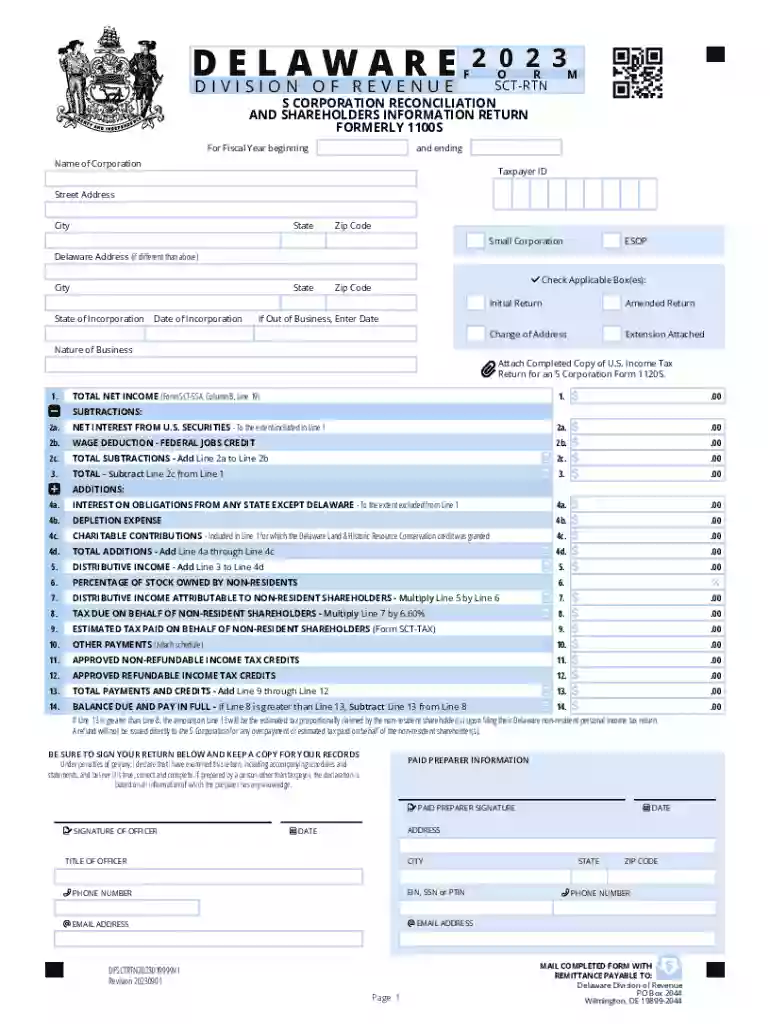
Type text, add images, blackout confidential details, add comments, highlights and more.

Draw your signature, type it, upload its image, or use your mobile device as a signature pad.

Send it via email, link, or fax. You can also download it, export it or print it out.
Delaware Form 1100, also known as the Corporate Income Tax Return, is used by corporations operating within Delaware to report corporate income and calculate income tax owed to the state. This form is mandatory for all corporations incorporated in Delaware or those that derive income from Delaware sources. The form ensures compliance with state tax regulations and helps the Delaware Division of Revenue accurately assess corporate tax obligations.
Accurate completion of Delaware Form 1100 ensures compliance with state tax laws and helps avoid penalties for underreporting income or overclaiming deductions.
Completing Delaware Form 1100 requires diligence and attention to detail. The form consists of multiple sections, each of which must be filled accurately to reflect the corporation's financial activities throughout the tax year.
Corporate Identification Details: Gather your corporation's federal employer identification number (EIN), name, and address.
Income Calculations: Report total income, deductions, and taxable income. Include details of Delaware-sourced income separately.
Adjustments to Income: List additions and subtractions to federal taxable income to arrive at Delaware taxable income.
Tax Computation: Use Delaware's tax rate to compute the tax owed.
Credits and Payments: Document any tax credits and estimated tax payments already made during the year.
A corporation with partial operations in Delaware should focus on accurately capturing income connected to in-state activities to ensure appropriate tax liability calculation.
Understanding the terminology used in Delaware Form 1100 is crucial for accurate completion. Here are some key terms often encountered:
Federal Employer Identification Number (EIN): A unique number assigned to businesses for tax filing purposes.
Taxable Income: Income on which the corporation is obligated to pay taxes after all deductions.
Apportionment: The method used to determine the portion of a corporation’s income subject to Delaware tax.
Compliance with the legal mandate to file Delaware Form 1100 is vital for all corporations either doing business in or registered under Delaware law. The form serves as a legal document, and any misinformation can lead to penalties.
Failure to File: Corporations may face fines if they do not submit Form 1100 by the due date.
Underreporting Income: Intentional underreporting can result in severe penalties, including interest on unpaid taxes.
Filing Delaware Form 1100 on time is crucial to avoid fines and interest charges. The deadline aligns with federal tax deadlines but offers the option for extensions under certain conditions.
The state of Delaware offers multiple submission methods for Form 1100, each providing varying advantages based on corporate infrastructure and preferences.
The type of business entity significantly influences the manner in which Delaware Form 1100 is completed and filed.
Entities classified as partnerships or sole proprietorships for federal tax purposes are typically exempt from filing Form 1100 unless their classification changes.
For corporations utilizing tax software, ensuring compatibility with Form 1100 is essential for a smooth tax filing process.
Corporations need to prioritize timely and accurate filing of Delaware Form 1100 to avoid penalties.
Understanding the implications of non-compliance encourages diligence in the preparation and timely submission of Delaware Form 1100.
We've got more versions of the Delaware Form 1100 (Corporate Income Tax Return) form. Select the right Delaware Form 1100 (Corporate Income Tax Return) version from the list and start editing it straight away!
| Versions | Form popularity | Fillable & printable |
|---|---|---|
| 2023 | 4.8 Satisfied (35 Votes) |
At DocHub, your data security is our priority. We follow HIPAA, SOC2, GDPR, and other standards, so you can work on your documents with confidence.
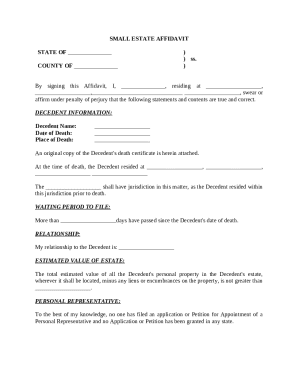
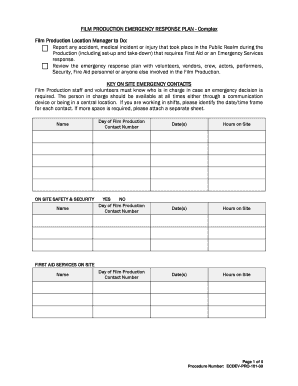
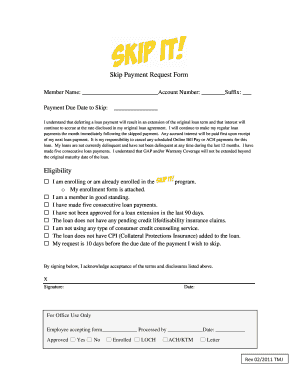


View information about business tax and business tax forms. Electronic filing is fast, convenient, accurate and easy. Delaware Corporate Tentative Income Tax
Delaware Administrative Code Title 1100 - Taxation. Instructions for Filing the Final Alternative Franchise Tax Return on or before January 30; within 180


