




01. Edit your form online
Type text, add images, blackout confidential details, add comments, highlights and more.

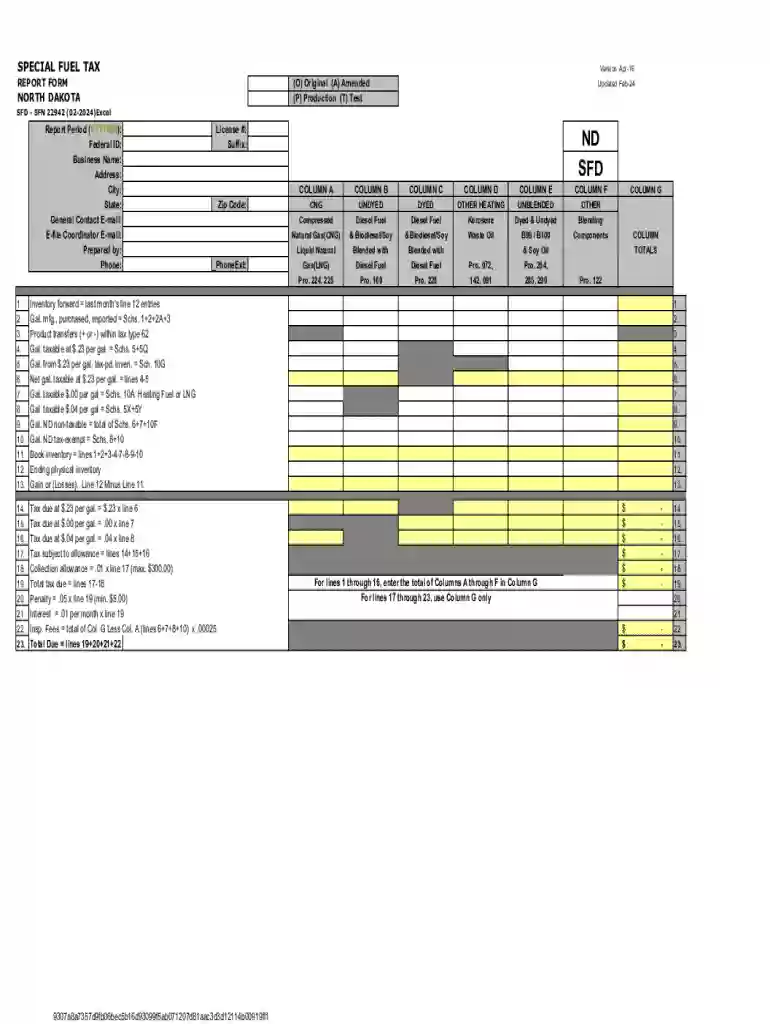
Type text, add images, blackout confidential details, add comments, highlights and more.

Draw your signature, type it, upload its image, or use your mobile device as a signature pad.

Send it via email, link, or fax. You can also download it, export it or print it out.
The "Form 75 Fuels Use Report - Idaho State Tax Commission" is a critical document used by individuals and businesses to report the use of fuels within the state of Idaho. This form is particularly significant for those who are involved in the transportation or fuel distribution industries, as it helps in calculating fuel taxes owed to the Idaho State Tax Commission. The form ensures that all fuel usage is accurately accounted for and taxed according to state regulations. This is crucial for maintaining compliance and avoiding penalties associated with incorrect tax filings.
Gather Required Information: Before filling out the form, collect all relevant data regarding fuel purchases and usage. This includes receipts, logs of fuel consumption, and any other documentation that supports your reported figures.
Enter Business Information: Fill in the details about your business, including the name, address, and tax identification number. Ensure accuracy to avoid any discrepancies.
Report Fuel Usage: Accurately report the amount of fuel used during the reporting period. Include any details about fuel used across multiple vehicles or locations.
Calculate Tax Owed: Use the form’s guidelines to compute the total amount of tax owed based on fuel usage. This section may require additional calculations depending on the types of fuel and their respective tax rates.
Review and Submit: Double-check all entries for accuracy. Once verified, submit the form to the Idaho State Tax Commission by the specified deadline to avoid penalties.
Fuel Distributors: Companies involved in the wholesale or retail distribution of fuel within Idaho commonly use this form to report their tax liabilities.
Transport Operators: Businesses operating fleets for logistics, delivery, or personal transportation services are primary users. They need to track fuel usage to determine taxable amounts accurately.
Agricultural Enterprises: Farms and agricultural entities using significant amounts of fuel for operations report their usage through this form to ensure proper tax compliance.


Taxable Gallons: Refers to the volume of fuel subject to taxation as determined by Idaho's fuel tax regulations.
Tax Exemptions: Circumstances under which certain fuel usage might be exempt from taxation, such as off-road or agricultural use, subject to specific criteria.
Reporting Period: The time frame for which the fuel usage data must be reported. This is typically a monthly or quarterly period depending on the size of operation.
Form 75 is legally mandated for proper documentation and taxation of fuel usage within Idaho. The form supports the legal framework that governs fuel taxes, ensuring adherence to the Idaho State Tax Commission’s requirements.
Compliance Enforcement: Using the form ensures adherence to Idaho's tax laws, which include correct filing and reporting of all taxable fuel usage.
Audit Preparedness: Properly completed forms serve as evidence in case of an audit, demonstrating that a business has fulfilled its tax obligations.
Idaho has specific regulations regarding how fuel is taxed, including the rates and exemptions applicable under state law. It's essential to familiarize yourself with these state-specific rules to ensure accurate reporting.
Fuel Tax Rates: Rates may vary depending on the type of fuel. Gasoline, diesel, and alternative fuels might have different tax rates.
Exemptions and Credits: Certain uses of fuel may qualify for tax exemptions or credits, such as farm and non-highway operations.
Late Filing Penalties: Failing to submit Form 75 by the deadline can result in financial penalties, which can increase over time if not addressed promptly.
Inaccurate Reporting: Providing incorrect information can lead to additional scrutiny from tax authorities, potential fines, or more severe legal consequences.
Purchase Receipts: Keep copies of all fuel purchase receipts for documentation and verification purposes.
Fuel Logs: Maintain detailed logs that track fuel usage accurately across different vehicles or equipment.
Ensure the form is submitted by the state's designated deadline, typically at the end of the month following the reporting period. Keeping track of these dates is critical to maintaining compliance and avoiding penalties.
We've got more versions of the Form 75 Fuels Use Report - Idaho State Tax Commission form. Select the right Form 75 Fuels Use Report - Idaho State Tax Commission version from the list and start editing it straight away!
At DocHub, your data security is our priority. We follow HIPAA, SOC2, GDPR, and other standards, so you can work on your documents with confidence.

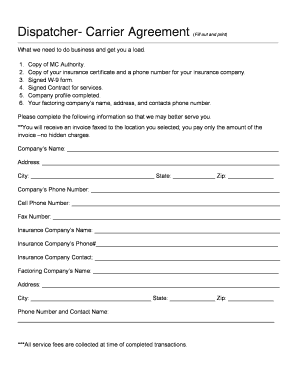

Sep 11, 2024 If youve already claimed a refund of this tax from the Tax Commission on another. Form 75 for this period, dont complete this form.Read more
A distributor will claim a fuel tax refund using the Form 75, Idaho Fuels Use Report, and Line Flush Allowance worksheet.


