01. Edit your form online
Type text, add images, blackout confidential details, add comments, highlights and more.

Type text, add images, blackout confidential details, add comments, highlights and more.

Draw your signature, type it, upload its image, or use your mobile device as a signature pad.

Send it via email, link, or fax. You can also download it, export it or print it out.
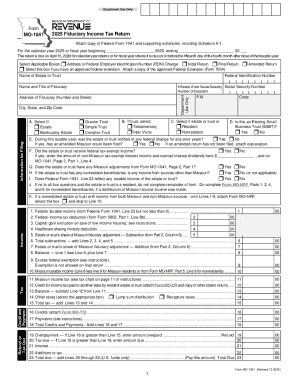
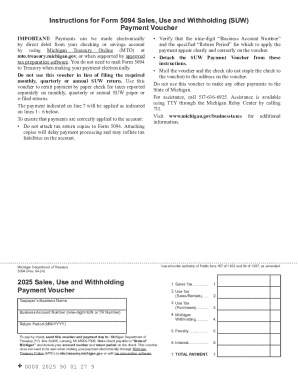
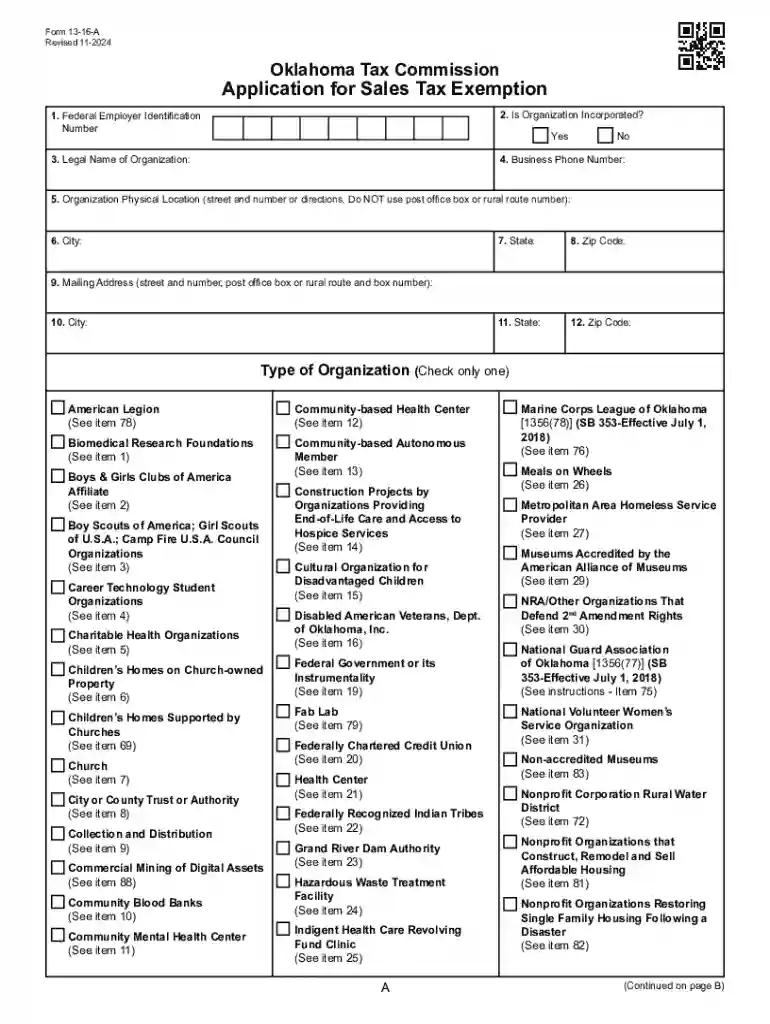
The Sales Tax Vendor Liability Notice, Rules and Forms is a document designed to inform vendors of their obligations and liabilities concerning the collection and remittance of sales taxes. It outlines the responsibilities that businesses must adhere to when handling sales tax, ensuring compliance with state and federal regulations. This form acts as a notification and guideline, helping vendors understand the legal aspects of sales tax management, including the rules for documentation and timely submissions.
Understanding and utilizing the Sales Tax Vendor Liability Notice, Rules and Forms is crucial for businesses to avoid non-compliance penalties. This document serves as a critical tool for ensuring that vendors are adequately informed of their duties and the consequences of failing to comply with tax laws. It provides clarity on the processes and encourages accurate record-keeping and timely filing, which are essential for maintaining good business practices.
To obtain the Sales Tax Vendor Liability Notice, businesses can typically access this document through state tax authority websites or request it directly from the state's Department of Revenue. Many states provide downloadable versions, making it easier for businesses to acquire the necessary forms online. Additionally, some businesses may receive notices directly from tax authorities if they are registered as sales tax vendors.
Identify Business Information: Start by accurately filling out your business's legal name, address, and tax identification number.
Report Tax Collection: Provide detailed records of the sales tax collected within the specified period. This might include total sales, taxable sales, and taxes owed.
Sign and Date: Ensure the form is signed and dated by an authorized representative of the business to validate the submission.
Attach Necessary Documents: Include any required documentation that should accompany the form, such as receipts or supporting financial statements.
Submission: Submit the completed form via the method prescribed by your state, which might include online submission, mail, or in-person delivery.
Different states may have varying rules concerning the Sales Tax Vendor Liability Notice. For instance, some states might require additional documentation or have unique filing deadlines. It is critical for vendors to familiarize themselves with the specific requirements of the state in which they operate to ensure full compliance. Vendors might need to consult with a tax professional or reach out to state tax authorities to get a comprehensive understanding of these state-specific rules.
The Sales Tax Vendor Liability Notice is legally binding, requiring vendors to testify to the accuracy of the information provided. Misreporting intentionally or because of negligence can lead to legal consequences, including fines and sanctions. Therefore, vendors must ensure that all information is accurate and complete before submission.
Failure to comply with the guidelines set forth in the Sales Tax Vendor Liability Notice can lead to significant penalties, including interest on unpaid taxes and additional fines. In some cases, severe non-compliance might even result in legal action taken by the state against the vendor. Understanding the serious nature of these penalties stresses the importance of adhering to all outlined requirements and maintaining consistent tax reporting practices.
Vendors are typically provided with multiple submission methods for the Sales Tax Vendor Liability Notice. These methods include online portals provided by state tax authorities, mail-in options using specified addresses, or submitting forms in person at designated locations. Online submissions are generally encouraged due to their convenience and expedited processing, though vendors should ensure they receive confirmation upon successful electronic submission.
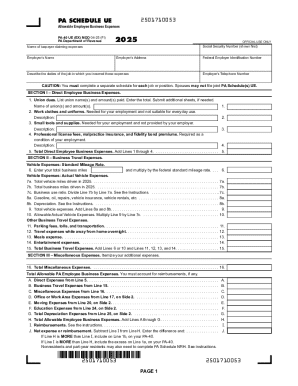
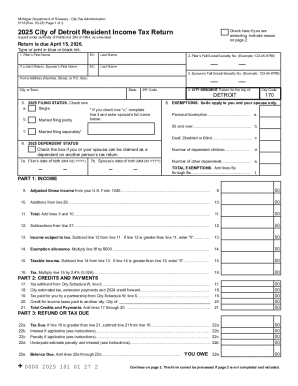
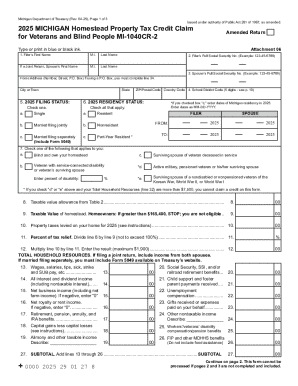
We've got more versions of the Sales Tax Vendor Liability Notice, Rules and Forms form. Select the right Sales Tax Vendor Liability Notice, Rules and Forms version from the list and start editing it straight away!
At DocHub, your data security is our priority. We follow HIPAA, SOC2, GDPR, and other standards, so you can work on your documents with confidence.