Definition & Meaning
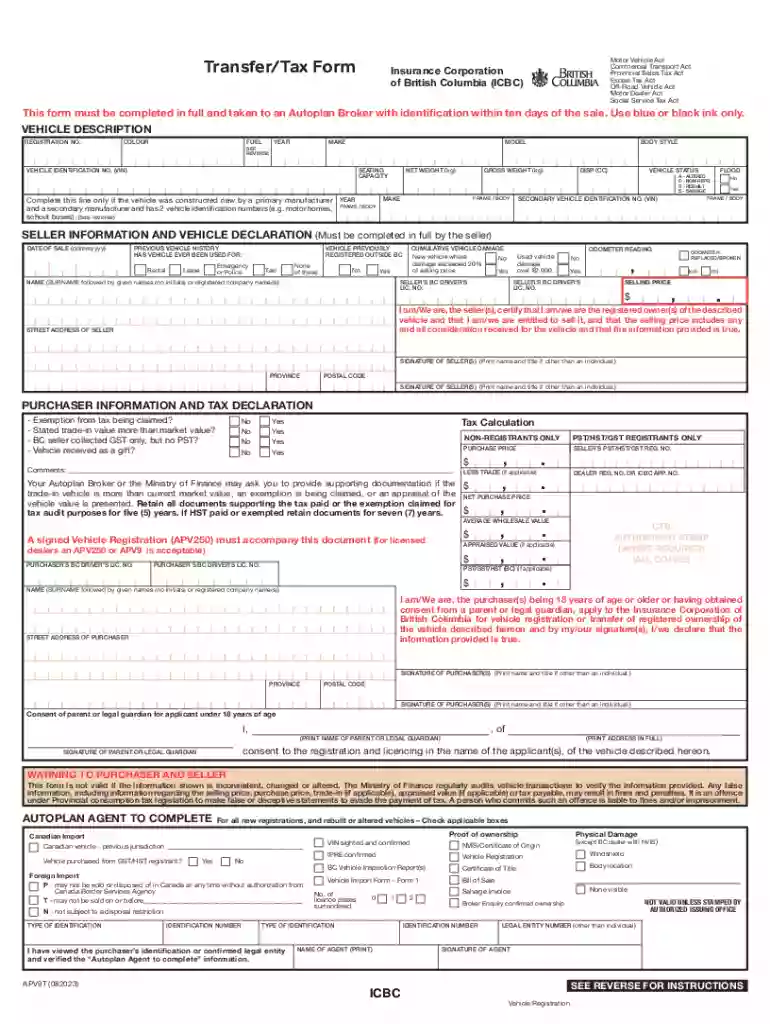
The "Certificate of Exemption Regarding Sale of a Motor Vehicle" refers to a critical legal document used during the sale of a motor vehicle that exempts certain parties from paying sales tax under specified conditions. This certificate is often utilized in transactions where one party qualifies for a sales tax exemption, as per state-specific laws. By completing this form, the seller acknowledges the tax-exempt status of the buyer, ensuring compliance with state taxation codes and regulations. Common exemptions might include transfers between family members, charitable organizations, or government entities.
How to Use the Certificate of Exemption Regarding Sale of a Motor Vehicle
Utilizing the certificate involves a few clear steps. Both the seller and buyer must provide accurate details to ensure the form's validity:
- Identify Exemption Eligibility: Determine if the buyer qualifies for an exemption under state law.
- Fill in Buyer and Seller Information: Include personal details such as names, addresses, and contact information.
- Provide Vehicle Details: This includes the Vehicle Identification Number (VIN), make, model, and year.
- Declare Reason for Exemption: Clearly state the legal rationale for the exemption, such as transfers within family or to a non-profit.
- Signatures: Both parties must sign to validate the form.
It is essential that this form is completed thoroughly to prevent issues during vehicle registration or ownership transfer.
Steps to Complete the Certificate of Exemption Regarding Sale of a Motor Vehicle
Completing the certificate involves several detailed steps:
- Gather Prerequisite Information: Obtain all necessary documents including the vehicle title, for accurate information.
- Access the Form: Obtain the specific exemption form required by your state, as these can vary.
- Fill Out Requested Fields: Ensure all fields are filled accurately, including exemption codes where applicable.
- Attach Supporting Documents: Attach any required verification, such as proof of family relation or an organization's non-profit status.
- Submit to Relevant Authority: Deliver completed forms to your local Department of Motor Vehicles (DMV) or equivalent state authority.
Each step in completing the certificate is crucial to ensure that you meet all legal requirements and avoid penalties.
Key Elements of the Certificate of Exemption Regarding Sale of a Motor Vehicle
The certificate includes several vital components:
- Buyer's Exemption Status: Clearly indicated for audit purposes.
- Vehicle Information: Immediate identification of the vehicle in question.
- Transaction Details: Date of sale and agreed-upon sale price.
- Declaration of Understanding: Signed acknowledgement from both parties, confirming their understanding of the exemption terms.
Each of these elements needs careful attention to avoid discrepancies or legal challenges.
Important Terms Related to the Certificate of Exemption Regarding Sale of a Motor Vehicle
Understanding several key terms is essential:
- Exemption Code: Specific codes that correspond to various exemption types.
- Within Family Transfer: A category for tax exemptions based on familial relationships.
- Non-Profit Status: Documentation confirming an organization's non-profit status for tax purposes.
- Sales Tax Liability: The obligation of paying sales tax unless an exemption is applicable.
Familiarity with these terms helps in correctly interpreting and completing the form.
State-Specific Rules for the Certificate of Exemption Regarding Sale of a Motor Vehicle
State-specific rules must be adhered to strictly:
- Each state defines its criteria for who qualifies for a tax exemption differently.
- Some states require additional documentation or verification steps.
- Variations exist in how forms are submitted and deadlines for submission.
Always check with local DMV or equivalent offices to ascertain accurate procedures and requirements.
Legal Use of the Certificate of Exemption Regarding Sale of a Motor Vehicle
The legal framework surrounding the exemption certificate is precise:
- The certificate serves as proof that the transaction is exempt from specific taxes.
- It is a legally binding document, meaning false claims or inaccuracies can result in penalties.
- Legal obligations necessitate maintaining copies of the certificate for record-keeping and potential audits.
The legal implications necessitate precision and accuracy at each stage of the process.
Why Should You Use the Certificate of Exemption Regarding Sale of a Motor Vehicle
Utilizing this form provides several benefits:
- Savings on Sales Tax: Eligible parties can legally bypass sales tax obligations, reducing the overall cost of buying a vehicle.
- Legal Protection: Provides legal protection and proof of exemption in case of future audits.
- Simplified Registration: Streamlines the documentation needed for vehicle registration.
Carefully using this certificate under the correct circumstances can offer financial benefits and reduce administrative burdens.