




01. Edit your form online
Type text, add images, blackout confidential details, add comments, highlights and more.

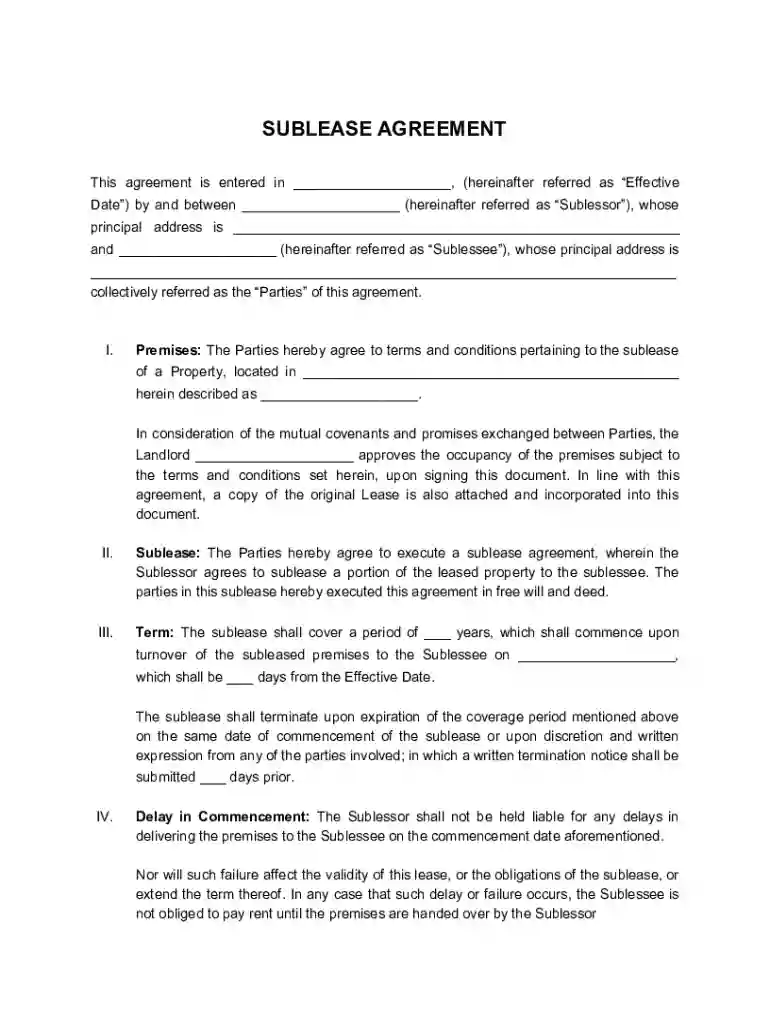
Type text, add images, blackout confidential details, add comments, highlights and more.

Draw your signature, type it, upload its image, or use your mobile device as a signature pad.

Send it via email, link, or fax. You can also download it, export it or print it out.
A retail space sharing agreement, often referred to as a retail lease agreement, outlines the terms and conditions under which a retail property is leased to tenants. This document is vital in defining the rights and responsibilities of both the landlord and the tenant. Key elements such as the lease term, rental payment, use of the premises, and maintenance obligations are typically included.
In retail space sharing agreements, businesses collaborate to maximize the usage of a retail location. This collaboration allows multiple parties to operate within a single retail space, promoting cost efficiency and increased customer exposure. The agreement balances the needs of each tenant while ensuring that the landlord's interests are protected.
A well-structured retail lease agreement includes numerous components designed to clarify expectations and prevent disputes. Among these, the lease term specifies the duration of the agreement, while rent clauses detail payment schedules, amounts, and any potential increases.
When drafting or completing a retail lease agreement, several steps ensure thorough and accurate documentation. Here is a step-by-step guide:
Retail lease agreements must comply with state-specific laws and regulations governing commercial leasing practices. Failure to adhere can lead to unenforceable contracts or legal penalties.
Understanding the terminology within a retail lease agreement is essential for both landlords and tenants. Key terms include:
Each state within the United States may impose unique regulations and requirements on retail lease agreements. These differences influence how agreements are structured and enforced.
For example, in New York, strict real estate regulations govern commercial leases, which may include specific provisions for rent increases and security deposits. In California, commercial tenants often enjoy more protections, such as the right to sublease unless explicitly prohibited by the agreement.
Various business types stand to gain significantly from retail space sharing agreements. These include:
Managing retail lease agreements efficiently can be greatly assisted by digital tools and platforms. Compatibility with software like DocHub ensures smooth creation and management:
At DocHub, your data security is our priority. We follow HIPAA, SOC2, GDPR, and other standards, so you can work on your documents with confidence.



The Port of Rotterdam Authority applies clear frameworks for issuing subleases and rentals. options include established sites, redevelopable plots and sites
Jul 28, 2022 Triple Net Leases: a commercial lease agreement where the tenant is responsible for all costs of the building, except the landlord is generally


