Definition & Meaning
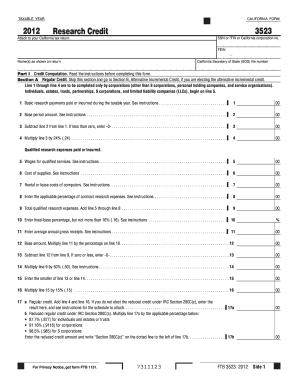
The "Please do not attach to this return - tax Ohio" note is crucial in the context of filing state taxes in Ohio, serving as a directive to taxpayers. When preparing an Ohio Income Tax Return Form, such as IT 1040, this note instructs individuals not to attach certain documents to their physical return. The directive aims to streamline the processing of tax returns by avoiding unnecessary paper documentation that might be submitted electronically or retained for taxpayer records. This helps prevent document overload at the state tax department and facilitates a quicker review and processing of tax returns.
How to Use the "Please Do Not Attach to This Return - Tax Ohio"
Applying the "Please do not attach to this return" directive is essential for efficient tax filing. Taxpayers need to discern which documents should actually accompany their Ohio tax return. Generally, schedules and forms explicitly required by the Ohio Department of Taxation should be attached, while other supporting documents should not. For example, income statements and W-2s may need to be retained but not directly attached if sent separately or filed electronically. Being meticulous about what to include and what to avoid attaching helps ensure compliance with state tax guidelines.
Steps to Complete the Please Do Not Attach to This Return - Tax Ohio
- Gather Required Documents: Collect all relevant tax documents such as W-2s, 1099s, and other income statements as you prepare to file your Ohio tax return.
- Prepare the Ohio IT 1040 Form: Follow the instructions on the Ohio IT 1040 form closely, ensuring all income, deductions, and credits are accurately reported.
- Identify Required Attachments: Review the form instructions to clarify which attachments are necessary. Typically, only specific schedules or supporting documents explicitly requested should be attached.
- Avoid Unnecessary Attachments: Based on the "Please do not attach" guidance, ensure superfluous documents, like personal calculations or irrelevant income statements, are not included.
- File Electronically if Possible: Consider electronic filing, which often reduces the need for physical attachments as the online system guides document submissions.
- Retain Unattached Documents: Keep a comprehensive file of all documents used in preparation, even if they are not attached, for personal record-keeping and possible future audits.
Why You Should Follow the "Please Do Not Attach" Directive
Following the "Please do not attach" instruction helps ensure that tax returns are processed smoothly and efficiently by the Ohio Department of Taxation. Overloading returns with unnecessary documents can delay processing times and potentially trigger audits. By avoiding extraneous attachments, taxpayers contribute to a streamlined workflow within the taxation office and reduce the likelihood of filing complications. Furthermore, adherence to the instructions helps maintain clarity and accuracy in tax submissions.
Important Terms Related to "Please Do Not Attach to This Return - Tax Ohio"
- Ohio IT 1040 Form: The standard individual income tax return form used by residents of Ohio.
- Schedules: Specific forms that provide additional details about certain income or deductions, which may be required alongside the main return.
- E-File: Electronic filing system that generally guides taxpayers in attaching or not attaching various documents.
- Supporting Documents: Documents like W-2s or 1099s that provide evidence of income or deductions but are not necessarily attached when filing paper returns.
State-Specific Rules for the Ohio Tax Return
Ohio requires strict compliance with tax filing rules, such as not overloading returns with unnecessary documents. The state expects residents to adhere to its specific guidelines for document submission, which occasionally deviate from federal standards. Taxpayers must be aware of Ohio's tax credits, deductions, and unique schedules that might affect what is submitted with or separate from the return. Misunderstanding these requirements can lead to errors or inquiries from the state tax office.
Examples of Using the Directive in Ohio Tax Filing
Consider a taxpayer who files their Ohio IT 1040 and receives income from multiple sources, including freelance work and employment. While they need to report all income sources, attaching each 1099 form might not be necessary unless specifically required. By electronically filing, this taxpayer provides all needed information digitally without physically attaching each document. They comply with the "Please do not attach" note and maintain personal copies for their records. This approach ensures that their tax return is processed promptly without unnecessary paperwork.
Penalties for Non-Compliance with the "Please Do Not Attach" Instruction
Ignoring the "Please do not attach" instruction can lead to processing delays or rejections of your tax return by Ohio’s Department of Taxation. If the state tax office receives cumbersome or excessive documentation, they may be required to send back the entire filing for adjustments or additional clarifications. This situation not only delays potential refunds but could also incur penalties or interest if errors are found due to incorrect filing practices. Ensuring compliance is key to avoiding these pitfalls and facilitating a clean interaction with tax authorities.