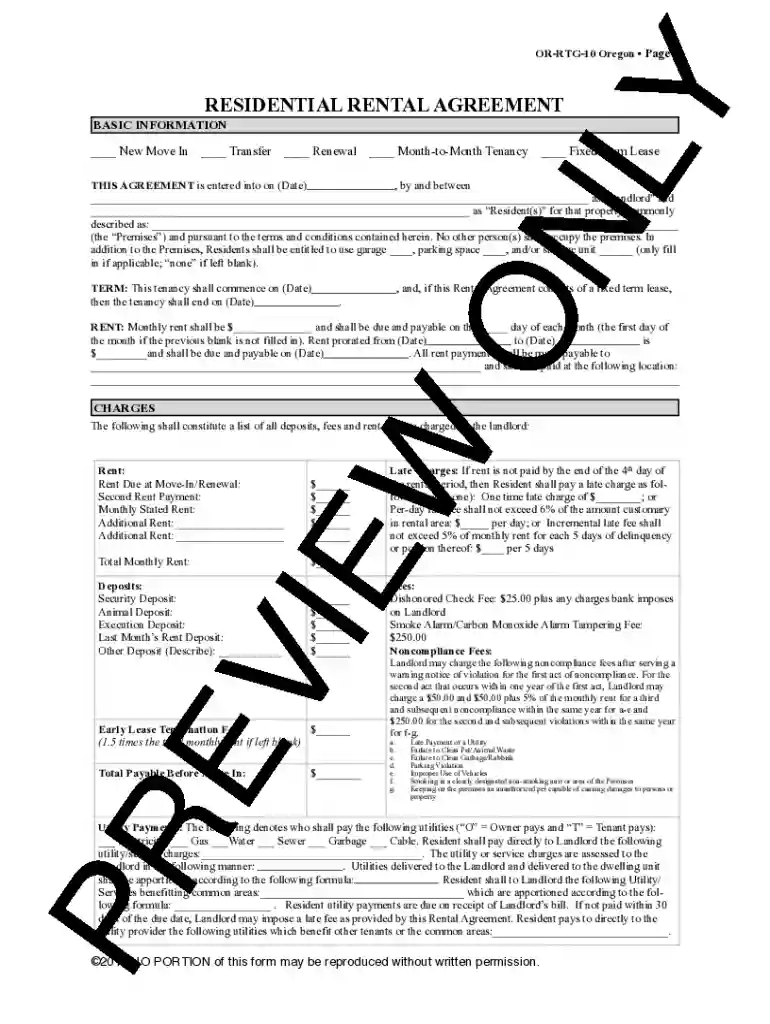
10-DAY NOTICE OF PET ANIMAL VIOLATION 2026

Get Form
10-DAY NOTICE OF PET ANIMAL VIOLATION Preview on Page 1

Here's how it works

01. Edit your form online
Type text, add images, blackout confidential details, add comments, highlights and more.

02. Sign it in a few clicks
Draw your signature, type it, upload its image, or use your mobile device as a signature pad.

03. Share your form with others
Send it via email, link, or fax. You can also download it, export it or print it out.

Definition and Meaning of the 10-Day Notice of Pet Animal Violation

The 10-Day Notice of Pet Animal Violation is a formal document typically used by landlords to notify tenants of a breach in the pet agreement terms within a rental contract. It serves as a warning that the tenant has ten days to rectify the issue or face potential legal consequences, such as eviction. This notice is often utilized when a tenant's pet either causes damage to the property or violates breed, size, or quantity limitations set forth in the lease agreement. By issuing this notice, landlords ensure that all parties are aware of the rules and expectations regarding pet ownership in the leased premises.

How to Use the 10-Day Notice of Pet Animal Violation

Proper use of the 10-Day Notice of Pet Animal Violation involves several key steps:

  1. Identification of Violation: Clearly document the nature of the pet-related violation, supported by evidence such as photographs or written accounts.

  2. Drafting the Notice: Ensure the notice includes the tenant's and landlord's names, property address, specific terms violated, and a detailed explanation of required corrective action.

  3. Delivering the Notice: Serve the notice to the tenant in a verified manner, such as registered mail or in-person delivery with a signed receipt, to establish proof of issuance.

  4. Follow-Up Actions: Monitor the tenant's actions during the notice period, and if compliance is achieved, document the resolution. If not, prepare for further legal proceedings as per the lease agreement.

Steps to Complete the 10-Day Notice of Pet Animal Violation

Completing the 10-Day Notice of Pet Animal Violation involves a systematic approach to ensure legal compliance and clarity:

  1. Preliminary Documentation: Gather all relevant facts about the pet violation, including dates, incidents, and any prior warnings issued.

  2. Form Completion:

    • Insert all pertinent information such as contact details, the location of the property, and dates of the violation.
    • Specify the corrective measures required, including details on timeframes and expected actions from the tenant.
  3. Legal Review: Before issuing, review the notice with legal counsel to ensure it aligns with state-specific landlord-tenant laws and lease terms.

  4. Final Drafting and Issuance: Create a final version of the notice, review for errors or omissions, and deliver it as described in the delivery methods section.

Important Terms Related to the 10-Day Notice of Pet Animal Violation

  • Lease Agreement: A legally binding contract detailing the terms of rental, including pet policies.
  • Violation: The act of breaking stipulated terms, in this case, involving pet ownership or behavior.
  • Remedy: The corrective action that the tenant must undertake to address the violation.
  • Compliance: The tenant's adherence to the notice’s terms within the specified timeframe.

Legal Use of the 10-Day Notice of Pet Animal Violation

Legally, the 10-Day Notice is an enforceable part of the rental agreement process. It provides the landlord with a structured framework to address and correct tenant violations regarding pet policies. The notice serves to document the landlord's effort to resolve issues amicably before escalating to court action, should the tenant fail to comply. Insight into state-specific laws governing landlord and tenant interactions is crucial, as these statutes dictate the proper formulation and enforcement of such notices.

Key Elements of the 10-Day Notice of Pet Animal Violation

The efficiency of issuing a 10-Day Notice depends significantly on its elements:

  • Clear Identification: Accurately note the tenant and property details to avoid miscommunication.
  • Specific Violation Description: A concise breakdown of how the tenant's actions breached the lease terms concerning pets.
  • Required Corrective Actions: Detailed instructions on how the tenant can remedy the violation within the given timeframe.
  • Consequences of Non-Compliance: Explanation of potential repercussions, including the possibility of eviction or legal proceedings.

State-Specific Rules for the 10-Day Notice of Pet Animal Violation

Each state in the U.S. may have distinct legislative frameworks for handling pet-related violations in rental properties. For instance:

  • California: Requires detailed documentation of the complaint and possible remediation steps.
  • Texas: Emphasizes mandatory lease clauses pertaining to pet policies and compliance deadlines.
  • New York: Often has stringent regulations protecting tenant rights, necessitating clear and fair notice issuance for violations.

Landlords should familiarize themselves with local regulations to ensure their notice meets all legal standards.

Form Submission Methods

The methods of delivering the 10-Day Notice of Pet Animal Violation are crucial for compliance:

  • Registered Mail: Offers a verifiable delivery method ensuring the tenant receives the notice.
  • In-Person Delivery: Enables direct communication, often used for immediate acknowledgment.
  • Digital Communication: Depending on state laws, some jurisdictions may permit electronic notice through email or landlord-tenant portals, with confirmation of receipt.

Utilizing these methods ensures the tenant is aware of the notice, fulfilling legal requirements for communication.

Penalties for Non-Compliance with the 10-Day Notice

Failing to comply with a 10-Day Notice of Pet Animal Violation can result in various penalties:

  • Eviction Proceedings: Initiation of legal actions to remove the tenant from the property.
  • Financial Liabilities: The tenant may be responsible for repair costs or legal fees incurred by the landlord.
  • Negative Rental History: Documentation of violations may affect future rental applications for the tenant.

Understanding these penalties underscores the importance of adhering to the terms specified in the notice.

Who Typically Uses the 10-Day Notice of Pet Animal Violation

Primarily, landlords and property managers utilize this notice as part of their property management toolkit. It is particularly effective in:

  • Multifamily Housing: Where pet violations can disrupt community living standards.
  • Pet-Restricted Properties: Serving as a tool to enforce strict adherence to pet regulations.
  • Single-Family Rentals: Aiding landlords in maintaining property conditions by preventing unauthorized pets or behavior.

These users rely on the notice to maintain order and protect their property investments.

decoration image ratings of Dochub
be ready to get more

Complete this form in 5 minutes or less

Get form

Got questions?

We have answers to the most popular questions from our customers. If you can't find an answer to your question, please contact us.
Contact us
10-Day Notice to Pay Rent: If the tenant doesnt pay rent when it is due, the landlord can give the tenant a 10-day notice to pay rent. If the tenant still does not pay rent during the ten-day notice period, the landlord can terminate the tenancy and file an eviction lawsuit. (Ind. Code 32-31-1-6.)
Fines: You could be subjected to fines, which can accumulate if the pet remains in the apartment. Eviction: In more severe cases, they may begin eviction proceedings for violating the lease terms. Negotiation: Some landlords might be open to negotiation, allowing you to pay a pet deposit or an additional monthly fee.
A tenant may keep a pet at the dwelling-house if the tenant asks to do so and the landlord consents; The landlord must not unreasonably refuse to give consent; and. The landlord must give or refuse consent in writing by a specified deadline (which is normally the 28th day after the date of the tenants request).
This involves gathering essential details about the pet, including breed, age, health, and behavior, usually through a pet-specific section in the rental application. Some landlords may also request references or conduct interviews to better understand a pets background.
A 10-day notice is a notice to the tenant to comply with some requirement of the rental agreement or rules and regulations.

Security and compliance

At DocHub, your data security is our priority. We follow HIPAA, SOC2, GDPR, and other standards, so you can work on your documents with confidence.

Learn more
ccpa2
pci-dss
gdpr-compliance
hipaa
soc-compliance

People also ask

Apartment complexes typically enforce pet limits through lease agreements. If a tenant temporarily exceeds the allowed number of pets, landlords usually must provide notice and an opportunity to remedy the violation before eviction. This may include paying pet rent or removing the extra animal.

Related links