




01. Edit your form online
Type text, add images, blackout confidential details, add comments, highlights and more.

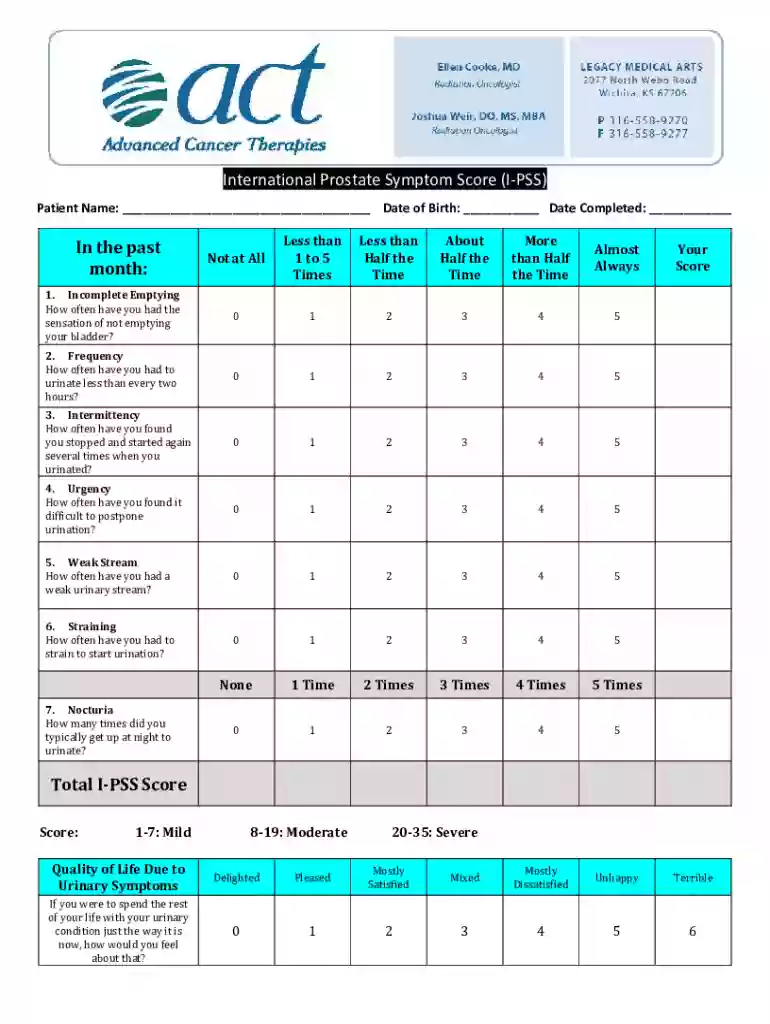
Type text, add images, blackout confidential details, add comments, highlights and more.

Draw your signature, type it, upload its image, or use your mobile device as a signature pad.

Send it via email, link, or fax. You can also download it, export it or print it out.
Urinary symptoms can significantly impact an individual's quality of life. People may experience a range of issues, including frequent urination, urgency, incontinence, and nocturia. Understanding these symptoms is crucial for identifying potential underlying causes and determining the most effective relief techniques.
Frequent urination is defined as needing to urinate more often than usual. This symptom can disrupt daily activities and sleep patterns. Common causes include urinary tract infections (UTIs), diabetes, and certain medications. In some cases, lifestyle factors such as high fluid intake or diuretic consumption may also contribute.
Urgency refers to a sudden, strong need to urinate that is difficult to delay. This symptom frequently accompanies conditions like overactive bladder or urinary tract infections. Managing urgency can improve the overall quality of life by reducing stress and inconvenience.
Incontinence is the involuntary loss of bladder control. It affects various age groups and may result from conditions like stress incontinence, urge incontinence, or overflow incontinence. Identifying the type of incontinence is essential for selecting the appropriate management and relief strategies.
Addressing common urinary symptoms often involves a combination of lifestyle changes and medical interventions. Techniques can be tailored to individual needs based on specific symptoms and their underlying causes.
Each technique for relieving urinary symptoms has specific elements that make it effective. Understanding these can help individuals tailor their approach.
Bladder training involves scheduled urination to increase the time between bathroom visits. Gradually extending intervals trains the bladder to hold urine longer, reducing frequency and urgency.
This technique helps incontinence sufferers plan trips to the restroom at set intervals, independent of the urge to urinate. Time voiding is particularly beneficial for those experiencing cognitive impairments or limited mobility.
Various groups find these techniques particularly beneficial, such as:
Certain health conditions are linked with urinary symptoms, warranting different approaches for management or treatment:
Despite effective self-management strategies, professional guidance is crucial when symptoms are severe or persistent. Timely medical evaluation ensures appropriate diagnosis and a comprehensive treatment plan.
Regular consultation with healthcare professionals is vital, especially for those with ongoing symptoms. Scheduled check-ups allow for monitoring of symptoms and adjustment of management plans as needed.
Using certain techniques to manage urinary symptoms might involve sharing medical information. Patients should be aware of privacy rights and legal considerations, particularly in professional healthcare settings.
Any data collection or medical record-keeping should comply with HIPAA standards to protect patient privacy and ensure secure handling of personal health information.
Real-world scenarios highlight how different strategies can effectively manage urinary symptoms.
These approaches demonstrate that understanding individual needs and conditions is crucial in effectively managing urinary symptoms.
We've got more versions of the Try these techniques to relieve common urinary symptoms form. Select the right Try these techniques to relieve common urinary symptoms version from the list and start editing it straight away!
At DocHub, your data security is our priority. We follow HIPAA, SOC2, GDPR, and other standards, so you can work on your documents with confidence.
Aug 15, 2023 Bladder habits: Change the timing and manner in which you empty your bladder to reduce symptoms or make them less disruptive. Dont hold it in;Read more
May 21, 2025 Finding a route and technique to do achieve this safely and with a low risk of damage to urinary continence and erective function took well overRead more
Jul 1, 2025 Massage or apply light pressure over your bladder to help the bladder empty. Take a warm bath or shower to help stimulate urination.


