




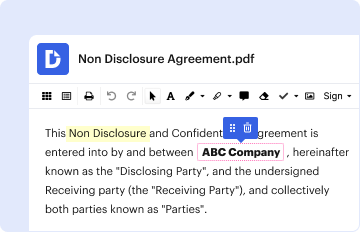
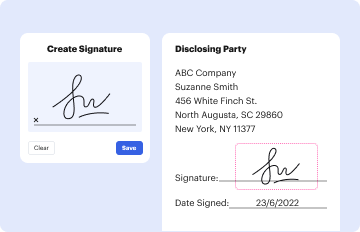
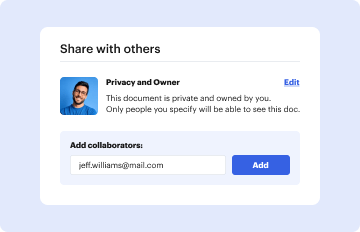
Definition & Meaning
An Accounting Engagement Letter Template is a formal document used to define the professional relationship between an accountant or accounting firm and their client. It serves to clarify the scope of accounting and taxation services to be provided, outlining the specific duties of both parties. This document is crucial for establishing clear expectations and responsibilities, thereby minimizing potential misunderstandings.
The engagement letter generally includes the nature of the services to be provided, such as preparation and filing of tax returns, auditing, financial planning, or bookkeeping. Additionally, it covers the fee structure, potentially linking costs to hourly rates or setting a fixed fee for certain services. Importantly, the letter requires signatures from both parties to signal agreement to the terms, making it legally binding.
Key Elements of the Accounting Engagement Letter Template
An effective Accounting Engagement Letter Template should contain several key elements to ensure clarity and comprehensiveness:
- Scope of Services: Details the specific accounting and taxation services to be provided, such as tax preparation, audits, or financial advice.
- Fee Structure: Outlines the pricing model, whether it's based on hourly rates or a fixed fee, and any additional costs that may arise.
- Responsibilities: Specifies the roles and obligations of both the accountant and the client to prevent misunderstandings.
- Duration: Indicates the timeframe over which services will be provided, including any conditions for termination or renewal.
- Communication Protocol: Defines how and when both parties will communicate regarding the engagement.
- Signatures: Requires signatures from all involved parties to validate the agreement.
Each element ensures that the engagement is well-defined, protecting both the accountant and the client legally and professionally.
How to Use the Accounting Engagement Letter Template
To effectively use the Accounting Engagement Letter Template, follow these comprehensive steps:
-
Customize the Template: Modify the template to reflect the specific services you will be providing. This includes detailing the scope of work, fee arrangements, and duration.
-
Discuss with the Client: Arrange a meeting to explain the terms laid out in the engagement letter. This is an opportunity for clients to ask questions and suggest changes.
-
Review and Revise: Based on client feedback, make necessary adjustments to the template to meet mutual expectations.
-
Finalize the Document: Once both parties agree, include signature lines for authorized representatives to sign and date.
-
Distribute Copies: Provide signed copies to all signatories for their records. Ensure that each party understands their copy is an official document of the agreement.
Steps to Complete the Accounting Engagement Letter Template
Completing an Accounting Engagement Letter Template involves several strategic actions:
-
Gather Information: Collect all necessary details regarding the client and the services to be provided, including company name, contact information, and service needs.
-
Draft the Document: Using the template, fill in customized sections such as service scope, fees, and timelines.
-
Include Legal Clauses: Ensure that the letter includes standard legal terms related to confidentiality, liability, and dispute resolution.
-
Review for Completeness: Cross-check the draft to ensure all necessary information is included and accurately reflected.
-
Send for Approval: Send the draft to the client for review and feedback. Be open to negotiations and modifications.
-
Sign and Date: Once approved, both parties should sign and date the document to formalize the agreement.
Legal Use of the Accounting Engagement Letter Template
The legal significance of an Accounting Engagement Letter Template lies in its ability to serve as a contract between the accounting service provider and the client. It provides legal protection by clearly stating the agreed-upon terms, which can be referred to in the case of disputes.
Accounting engagement letters should comply with the laws in the jurisdiction where the services are provided. It's advisable to consult with legal professionals to ensure that the letter adheres to all relevant regulations and standards.
By using a well-drafted engagement letter, both parties can avoid potential conflicts, as the document serves as evidence of agreed terms should litigation arise.
Who Typically Uses the Accounting Engagement Letter Template
The Accounting Engagement Letter Template is predominantly used by:
- Certified Public Accountants (CPAs): To outline terms of professional services with clients ranging from individuals to large corporations.
- Accounting Firms: To formalize agreements with their varied client base, ensuring clear expectations and responsibilities.
- Financial Consultants: Who offer diverse services such as tax planning and financial advisory.
- Small Business Owners: Who engage accountants for their bookkeeping and financial management tasks.
- Non-Profit Organizations: That require financial oversight and compliance assistance.
By employing this template, these professionals and organizations ensure transparent and legally sound engagements.

Business Types That Benefit Most from Accounting Engagement Letter Template
Various business entities can derive significant benefits from utilizing an Accounting Engagement Letter Template:
- Limited Liability Companies (LLCs): Can outline specific accounting and tax advice needed for managing their finances.
- Corporations: Engage in complex transactions and benefit from clearly defined accounting services agreements.
- Partnerships: Often require precise allocation of financial management duties and responsibilities.
- Sole Proprietors: Utilize such letters to clarify personal financial obligations versus business-related accounting tasks.
Engagements with these business types often involve regulatory compliance, making well-defined agreements crucial.
State-Specific Rules for the Accounting Engagement Letter Template
While the template provides a general framework, certain states in the U.S. may have additional requirements:
- California: Requires additional disclosures related to privacy and data protection.
- New York: May mandate specific terms for financial audits and tax services.
- Texas: Could require clarifications in language around dispute resolution.
Accountants should research and incorporate any state-specific regulations applicable to ensure the engagement letter complies with local legal standards.
Software Compatibility (TurboTax, QuickBooks, etc.)
An Accounting Engagement Letter Template can be integrated with various accounting software platforms for efficiency and ease of use.
- QuickBooks: Allows integration for invoicing and management of service fees outlined in the engagement letter.
- TurboTax: Can be utilized to manage tax services specified within the letter, ensuring accurate preparation and filing.
- DocHub: Offers digital documentation management, ensuring that signed engagement letters are securely stored and easily accessible.
Compatibility with these platforms enhances productivity and streamlines workflow, making it easier to manage finances and client relationships efficiently.