




Here's how it works
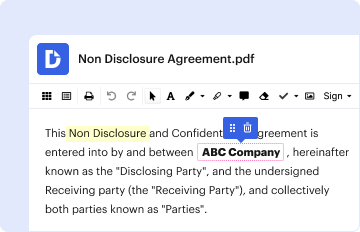
01. Edit your how to fill out summons for unlawful detainer in virginia online
Type text, add images, blackout confidential details, add comments, highlights and more.
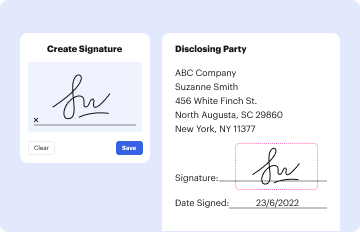
02. Sign it in a few clicks
Draw your signature, type it, upload its image, or use your mobile device as a signature pad.

03. Share your form with others
Send virginia unlawful detainer immediate possession via email, link, or fax. You can also download it, export it or print it out.
How to use or fill out Virginia Writ Unlawful Detainer with Our Platform

- Click ‘Get Form’ to open the Virginia Writ Unlawful Detainer in our editor.
- Begin by entering the case number and selecting either 'General District Court' or 'Circuit Court' based on your situation.
- Fill in the city or county where the court is located, ensuring accuracy for proper jurisdiction.
- In the plaintiff section, provide the last name, first name, and middle initial of all plaintiffs involved in the case.
- Detail the premises from which eviction is sought. Be specific about the address and any relevant descriptions.
- Indicate the date of judgment for possession and confirm that no new rental agreement has been made since then.
- If applicable, check the box indicating that this writ is requested under the Virginia Residential Landlord and Tenant Act.
- Complete the date field and sign as either a plaintiff, attorney, or agent before submitting your form.
Start using our platform today to fill out your Virginia Writ Unlawful Detainer easily and for free!
Fill out virginia writ unlawful detainer online
It's free
It's free
See more virginia writ unlawful detainer versions
We've got more versions of the virginia writ unlawful detainer form. Select the right virginia writ unlawful detainer version from the list and start editing it straight away!
Got questions?
We have answers to the most popular questions from our customers. If you can't find an answer to your question, please contact us.
Contact us
How do I stop a writ of eviction in Virginia?
If the only reason your landlord sued you is because you owe rent, you can usually stop the eviction by paying your landlord everything you owe. This includes all of the rent approved by the judge, and Court costs, including the writ fee if a writ of restitution has been filed.
Can an eviction be stopped after a writ of possession?
After the Writ of Possession Is Issued: Once a writ of restitution has been issued based on the judgment, you have minimal direct ability as the landlord to unilaterally cancel the eviction process. The writ grants authority for the sheriff or constable to physically remove the tenant and their property.
What happens after a writ of eviction in Virginia?
The court sends the Writ of Eviction for the plaintiff to the Sheriffs Office. The Sheriffs Office has 30 days from the courts signing to execute the document. The Sheriffs Office contacts the plaintiff with the scheduled date and time of the eviction.
How to stop a writ of possession in Virginia?
Your landlord must wait 2 days after the judgment is entered to file the writ. The U.S. Marshals Service can schedule your eviction as soon as 3 days after your landlord files the writ. Writs last for 75 days, and you can be evicted at any time within that period.
What happens when you get an unlawful detainer in Virginia?
The court issues a Summons for Unlawful Detainer and assigns a date when the landlord and tenant have an opportunity to appear. If the judge rules in favor of the landlord, the tenant is granted a 10-day appeal period.
Security and compliance
At DocHub, your data security is our priority. We follow HIPAA, SOC2, GDPR, and other standards, so you can work on your documents with confidence.
Learn more


People also ask
How long does it take for the Sheriff to serve a writ of possession in Virginia?
Effective July 1, 2000, this code, 8.01470, has been modified to read, The execution of the writ of possession by the sheriff should occur within fifteen (15) calendar days from the date received by the sheriff, or as soon as practicable thereafter but in no event later than thirty (30) days from the date of the
How long is a writ of eviction good for in Virginia?
Writs of eviction, in case of unlawful entry and detainer, shall be issued within 180 days from the date of judgment for possession and shall be made returnable within 30 days from the date of issuing the writ, and any executed writ shall be returned to the issuing clerk by the sheriff executing such writ.