







Definition & Meaning
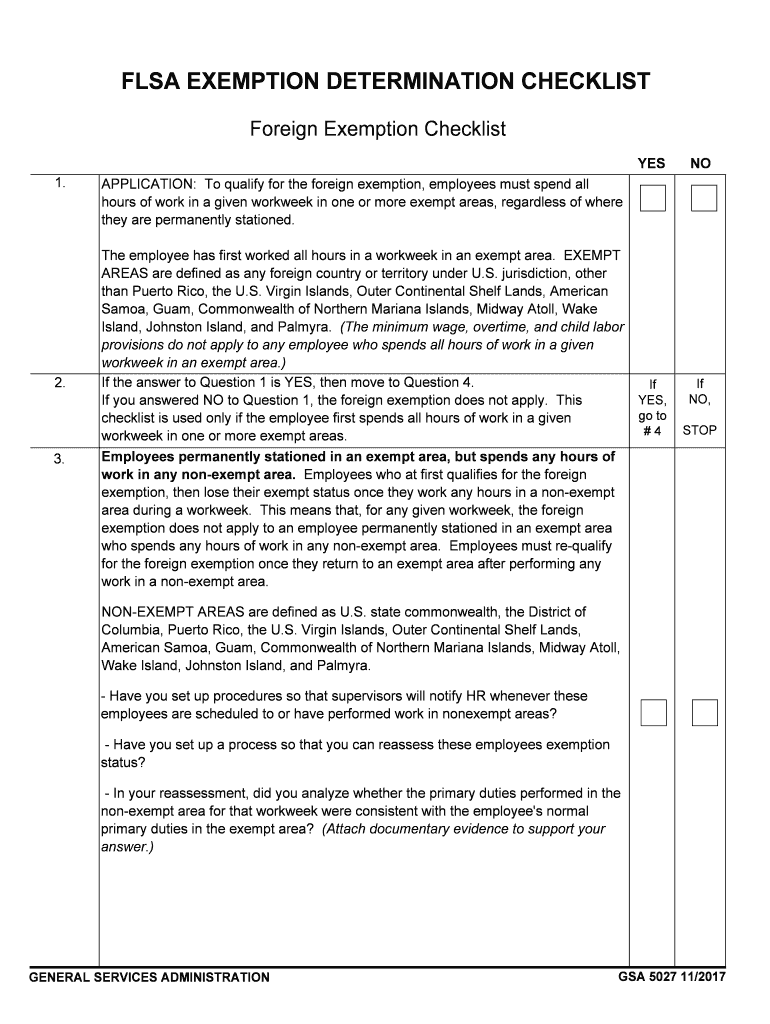
The concept of "hours of work in a given workweek in one or more exempt areas, regardless of where" refers to the allocation of time an employee spends working in designated zones that are exempt from certain labor standards under the Fair Labor Standards Act (FLSA). The exempt areas typically include specific foreign territories where U.S. labor laws may not fully apply. This definition is critical for determining whether employees qualify for exemptions based on their geographical work sites and the nature of their duties performed during the workweek.
How to Use the Hours of Work in Exempt Areas
To effectively utilize the framework for "hours of work in a given workweek in one or more exempt areas," employers and HR professionals should maintain accurate records of work hours spent by employees in these areas. Using a robust time-tracking system:
- Record the start and end times of each work session.
- Clearly differentiate between time spent in exempt and non-exempt areas.
- Use the recorded data to assess compliance with exemption requirements.
Steps to Complete the Hours of Work Calculation
- Identify Eligible Areas: Determine which areas qualify as exempt according to the FLSA guidelines.
- Track Work Hours: Leverage time-keeping tools to accurately capture hours worked in the exempt areas.
- Evaluate Compliance: Compare recorded hours against FLSA criteria for foreign exemptions.
- Document Findings: Maintain thorough documentation for audit purposes and compliance checks.
Why Should You Track Hours in Exempt Areas
Tracking work hours in exempt areas is crucial for several reasons:
- Compliance: Ensures adherence to the FLSA standards, avoiding potential penalties.
- Financial: Aids in accurate payroll processing by distinguishing between exempt and non-exempt work.
- Operational: Helps in strategic workforce planning by understanding work distribution across regions.
Who Typically Uses the Hours of Work in Exempt Areas
This system is mainly utilized by:
- International Corporations: Especially those with operations in territories defined as exempt under U.S. labor laws.
- HR Departments: To manage employee time tracking and ensure legal compliance.
- Legal Advisors: Who provide counsel on labor regulations and compliance matters.


Key Elements of the Hours of Work Model
- Exempt Area Definition: Exact geographical boundaries as per the labor guidelines.
- Workweek Duration: Total number of hours constituting a workweek.
- Documentation: Comprehensive records supporting the exemption status.
Examples of Using the Hours of Work Framework
Consider a multinational firm with branches in several foreign territories where certain labor laws are waived:
- Example 1: An employee spends 35 hours in an exempt area, ensuring all recorded hours meet exemption criteria.
- Example 2: Another employee works partially in non-exempt areas, necessitating a detailed record comparison.
Legal Use and Compliance
The legal right to claim exemptions based on work hours in exempt areas requires adherence to established regulations under the FLSA. Employers must ensure that their practices align with legal mandates, utilizing precise time-tracking and documentation to validate exemption claims.
State-Specific Rules and Variations
Although the primary focus here is on federal laws, some states may have additional requirements or interpretations regarding employee work hours in exempt areas. It is advisable to review state-level labor laws and consult with local legal experts to ensure compliance in all jurisdictions affected.
Important Terms Related to Hours of Work in Exempt Areas
- FLSA: The Fair Labor Standards Act governing employment conditions in the U.S.
- Exempt Areas: Specific geographical locations that qualify for exemptions from standard labor laws.
- Workweek: Traditional or legally defined duration, often 40 hours per week, with potential for variations based on company policy or agreements.
Filing Deadlines & Important Dates
It is imperative to stay informed about key dates related to employment record submissions and compliance audits. Regular updates to labor regulations may impact deadlines for required documentation and must be monitored closely.
Required Documents for Compliance
Organizations should maintain a thorough collection of:
- Employee Time Logs: Accurate and detailed records of hours worked.
- Exemption Criteria Documentation: Proof of exempt status for relevant areas.
- Compliance Checklists: Structured guides for ensuring adherence to all applicable labor standards.
By organizing and implementing these strategies, businesses can achieve compliance, manage risk, and optimize their operations in regard to employee hours worked in exempt areas.




