




01. Edit your form online
Type text, add images, blackout confidential details, add comments, highlights and more.

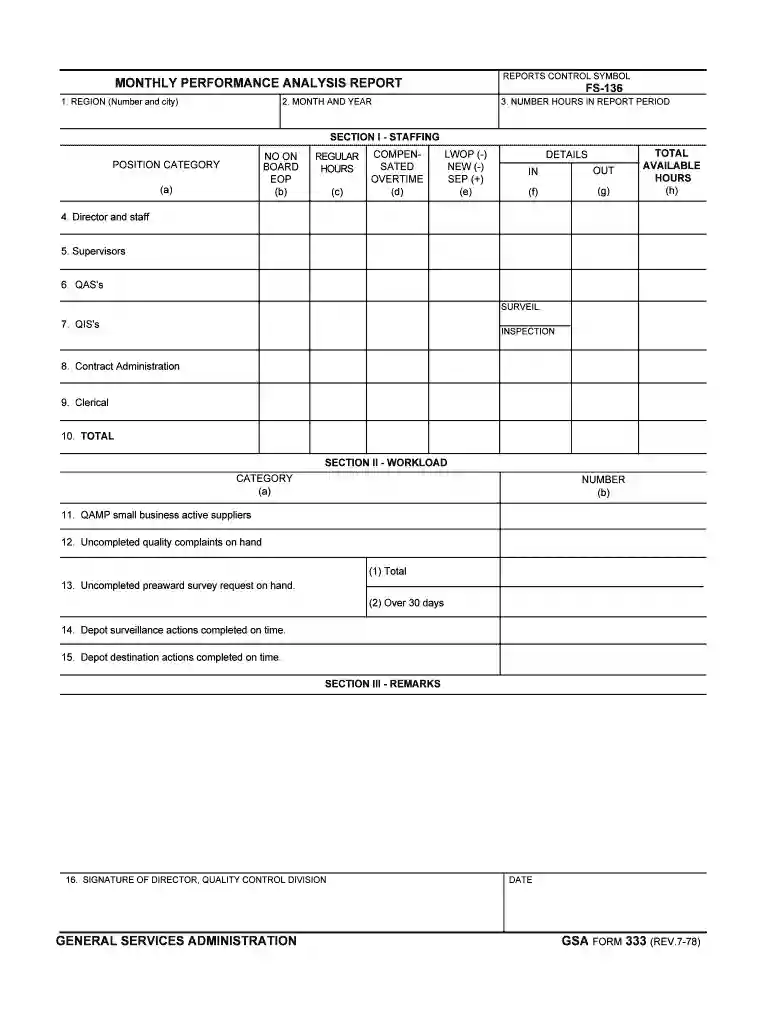
Type text, add images, blackout confidential details, add comments, highlights and more.

Draw your signature, type it, upload its image, or use your mobile device as a signature pad.

Send it via email, link, or fax. You can also download it, export it or print it out.
The Progress 8 measure is an educational performance metric used within the UK to assess students' academic progress between the ages of 11 and 16. It calculates the value added by schools to their pupils' prior attainment. Unlike traditional methods focusing solely on GCSE results, Progress 8 considers a broader range of subjects to evaluate school performance comprehensively.
Progress 8 is designed to encourage schools to support students across various subjects, not just core subjects like English and mathematics. It is a value-added measure that helps highlight the contribution of a school to individual pupil progress, setting benchmarks for academic performance and assisting educational stakeholders in identifying areas for improvement or success.
By utilizing Progress 8, schools are held accountable for the progress of all students, promoting a more inclusive educational environment. Schools' responses to Progress 8 reflect their strategies to address areas where students may not perform as expected, fostering targeted interventions and support programs.
Collect Data: Schools must begin by gathering data on student performance across multiple subjects. This includes baseline assessments and subsequent evaluations.
Analyze Performance: Using the collected data, schools need to analyze students' progress relative to their initial performance levels. This identifies trends, strengths, and areas requiring improvement.
Implement Strategies: Based on performance analysis, schools should develop and apply strategies designed to enhance student learning outcomes.
Monitor Progress: Continuously monitor student progress and adjust strategies as necessary to ensure ongoing improvement.
Engage Stakeholders: Ensure open communication with teachers, parents, and community members regarding performance results and planned interventions.
Review and Adapt: Regularly review the success of implemented interventions, adapting them to better meet student needs and improve Progress 8 scores.
Progress 8 is utilized by various stakeholders in the education sector:


Student Progress Tracking: Measuring progress in five subjects: English, mathematics, three English Baccalaureate (EBacc) subjects, and three other approved qualifications.
Benchmark Establishment: Setting benchmarks for expected student progress based on prior achievements.
Performance Segmentation: Breaking down performance into various segments to assess strengths and identify weaknesses.
Intervention Strategies: Developing tailored interventions aimed at improving specific areas where students or groups underperform.
Continuous Assessment: Regularly assessing student performance to inform teaching practices and improve progress outcomes.
Case Study: School A: Implemented a tailored reading program after identifying that students underperformed in English. Consequently, their Progress 8 scores in English improved significantly.
Real-World Application: A school in London used Progress 8 analysis to enhance their curriculum, focusing on science and mathematics where improvements were needed, resulting in better overall scores.
Collaborative Efforts: By involving teachers in data analysis and strategy implementation, a school improved its Progress 8 metric, demonstrating the power of collaborative educational planning.
Various educational software programs support the analysis and management of Progress 8 data, aiding schools in tracking and reporting performance efficiently:
Inclusion of Students: All students enrolled in secondary schools fall under the purview of Progress 8, ensuring comprehensive performance evaluation.
Applicable School Types: Both public and independent schools that are part of the national curriculum employ Progress 8 for accountability purposes.
Assessment Parameters: Only qualifications that count towards the GCSEs and selected alternative qualifications are included.

While some schools may traditionally utilize a paper-based system, the integration of digital tools offers several advantages:
Efficiency: Digital versions provide quicker data entry, easy access, and the ability to process data using automated systems.
Accuracy: Reduces errors associated with manual data entry, ensuring more reliable results.
Accessibility: Digital records can be easily shared among stakeholders, facilitating transparency and collaboration.
Environmental Impact: Minimizes the usage of paper, promoting environmentally friendly practices.
We've got more versions of the Understanding schools' responses to the Progress 8 form. Select the right Understanding schools' responses to the Progress 8 version from the list and start editing it straight away!
| Versions | Form popularity | Fillable & printable |
|---|---|---|
| 1978 | 4.8 Satisfied (205 Votes) |
At DocHub, your data security is our priority. We follow HIPAA, SOC2, GDPR, and other standards, so you can work on your documents with confidence.

All of the results indicate that students understanding DocHubly improved after the explanation. Junior High School (HIA-Taiwan cooperation) 7/1 - 8/1.Read more
by L Prior 2021 Cited by 39 Progress 8 is described as a pupil and school measure of the academic progress pupils make over the five years of compulsory secondary schooling (Department forRead more


