




01. Edit your form online
Type text, add images, blackout confidential details, add comments, highlights and more.

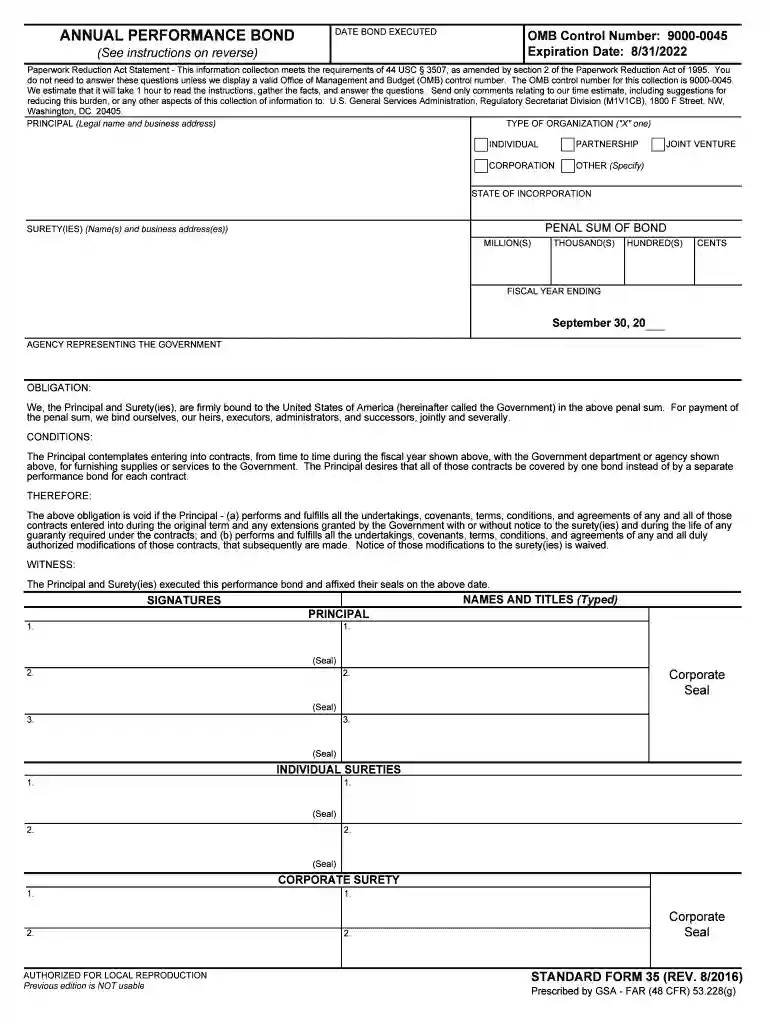
Type text, add images, blackout confidential details, add comments, highlights and more.

Draw your signature, type it, upload its image, or use your mobile device as a signature pad.

Send it via email, link, or fax. You can also download it, export it or print it out.
The Agency Information Collection Activity is a formal process used by federal agencies through the Federal Register to gather information from the public. This activity is governed by the Paperwork Reduction Act (PRA) and is essential for ensuring that federal data collection efforts are efficient, necessary, and aligned with regulatory standards. By soliciting public opinions, the activity aims to make informed decisions regarding rulemaking and policies.
This process is crucial for creating policies that are responsive to public needs and compliant with legal standards. For instance, data collected may influence the development of health regulations or environmental laws.
Using the Agency Information Collection Activity involves interacting with notices published in the Federal Register, where public comments are invited on various proposed data collections by federal agencies.
A business owner might review a notice related to the Small Business Administration and provide input on the impact of proposed data collection on small enterprises.
Completing this process involves several steps to ensure that your participation is considered in federal decision-making.
Understanding the legal context of Agency Information Collection Activities is vital for ensuring that public input adheres to federal guidelines.
Non-compliance with standard procedures or failure to obtain necessary approvals can lead to legal challenges or the invalidation of the data collection effort.
Certain fundamental components must be present in every information collection activity to meet federal standards and achieve desired outcomes.
An agency might specify that data collected will inform improvements to national safety standards, offering a transparent reason for engaging the public.
Failure to adhere to informational guidelines or submission protocols can lead to serious legal and operational consequences.
Eligibility to participate in the comment process for the Agency Information Collection Activity details who can provide feedback.


A national trade group might be eligible to comment on a notice concerning trade regulations impacting its members.
While the Agency Information Collection Activity is federal, how it impacts various states can differ due to regional laws or economic conditions.
An agricultural data collection might have different significance in California compared to a state with less agricultural output, influencing feedback priorities.
The effective submission of comments for the Agency Information Collection Activity provides multiple avenues to accommodate diverse preferences.
An environmental advocacy group may choose to submit extensive documentation by mail for a proposed EPA data collection to ensure thoroughness.
Understanding the differences between digital and paper submissions for the Agency Information Collection Activity can aid in preparing your response.
An educational institution commenting on a notice related to educational data might prefer digital submission for speed and efficiency.
We've got more versions of the Agency Information Collection Activity - Federal Register form. Select the right Agency Information Collection Activity - Federal Register version from the list and start editing it straight away!
| Versions | Form popularity | Fillable & printable |
|---|---|---|
| 2016 | 4.8 Satisfied (73 Votes) |
At DocHub, your data security is our priority. We follow HIPAA, SOC2, GDPR, and other standards, so you can work on your documents with confidence.



For complete information about, and Current Issue 126 documents from 60 agencies (705 Pages) 97 Notices 2 Presidential Documents 11 Proposed Rules
Federal agencies are required to publish notice in the Federal Register concerning each proposed collection of Proposed Agency


