01. Edit your form online
Type text, add images, blackout confidential details, add comments, highlights and more.

Type text, add images, blackout confidential details, add comments, highlights and more.

Draw your signature, type it, upload its image, or use your mobile device as a signature pad.

Send it via email, link, or fax. You can also download it, export it or print it out.
Publication 561, issued in April 2007, provides guidance on determining the value of donated property for tax deduction purposes in the United States. It is an essential resource for understanding how to appraise the fair market value of both real and personal property that is donated. This publication outlines the valuation principles that individuals, businesses, and tax professionals should use to establish the correct write-off amount. Accurate valuation ensures compliance with IRS requirements and maximizes the tax benefits of charitable contributions.
Publication 561 (4-2007) includes several critical elements that guide users through the valuation process. It discusses the definition of fair market value and how it applies to different types of property. The document also covers specific factors affecting value, such as condition, scarcity, and market demand. Furthermore, it provides instructions on considering comparable sales, appraiser qualifications, and substantiating values with documentation. These elements are crucial for ensuring accurate valuations and supporting them in case of an IRS audit.
To determine the value of donated property effectively, follow these steps outlined in Publication 561:
The Internal Revenue Service mandates specific procedures for taxpayers wishing to claim deductions for donated property. Publication 561 (4-2007) is a reference to ensure that donated items, especially those valued over certain thresholds, are appraised correctly. It incorporates IRS-approved methods for valuation and stipulates the necessity for professional appraisals of significant donations, typically those exceeding $5,000 in value. Accuracy and thorough documentation as per these guidelines support compliance and aid in securing the deduction.
Publication 561 is predominantly used by individual taxpayers, non-profit organizations, businesses, and tax preparers in the United States. These entities utilize it to determine and substantiate the acceptable value of donated property on their tax returns. It is particularly relevant for individuals and businesses that regularly engage in philanthropic activities and wish to maximize their tax efficiency through charitable contributions.
Consider a scenario where a taxpayer donates a piece of art to a local museum. Using Publication 561, the taxpayer needs to determine the fair market value by:
In another instance, a business donating office equipment to a non-profit may need to:
Non-compliance with IRS guidelines on donated property valuations can result in disallowed deductions and potential penalties. Taxpayers must ensure thorough and accurate documentation for any valuation claimed on their returns. Failure to provide adequate evidence or appraisals, particularly for higher-value items, can lead to significant tax liabilities and fines. Adhering to the procedures detailed in Publication 561 can prevent these issues and ensure the integrity of tax reporting.
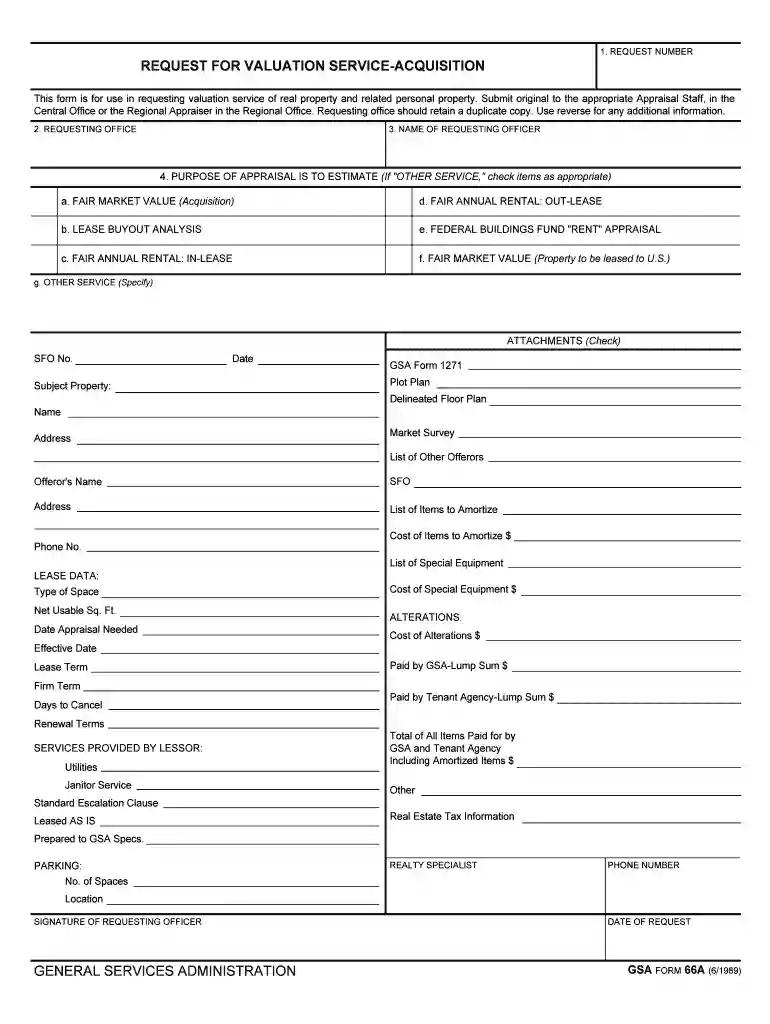
We've got more versions of the Publication 561 (4 2007), Determining the Value of Donated form. Select the right Publication 561 (4 2007), Determining the Value of Donated version from the list and start editing it straight away!
| Versions | Form popularity | Fillable & printable |
|---|---|---|
| 1989 | 4.8 Satisfied (113 Votes) |
At DocHub, your data security is our priority. We follow HIPAA, SOC2, GDPR, and other standards, so you can work on your documents with confidence.