01. Edit your form online
Type text, add images, blackout confidential details, add comments, highlights and more.

Type text, add images, blackout confidential details, add comments, highlights and more.

Draw your signature, type it, upload its image, or use your mobile device as a signature pad.

Send it via email, link, or fax. You can also download it, export it or print it out.
Gum disease, or periodontal disease, is a condition that affects the supporting structures of the teeth. It primarily includes gum inflammation (gingivitis) and a more severe form called periodontitis. Understanding the risk factors and symptoms is crucial for prevention and effective management. Common signs include bleeding gums, persistent bad breath, and receding gums. Risk factors include smoking, diabetes, and poor oral hygiene. Recognizing these elements can guide individuals in taking preventive measures to avoid progression to more severe stages of the disease.
The development of periodontitis is influenced by several risk factors. These include:
Understanding these factors helps in creating a personalized prevention and treatment plan, essential for maintaining gum health.
Managing periodontitis involves professional treatment and home care. Effective treatments include:
Ongoing professional monitoring and regular dental visits are essential to manage the condition.
Supplementing professional treatment with effective home care can greatly improve periodontal health. Recommended practices include:
These daily habits can prevent the progression of gum disease and support overall oral health.
Identifying early symptoms of periodontitis can prevent severe outcomes. Key symptoms include:
Early detection and management can significantly enhance oral health outcomes.
Ignoring gum disease can lead to severe consequences, such as tooth loss and other health complications. Additionally, research suggests links between periodontal disease and systemic conditions like heart disease and stroke. Therefore, maintaining gum health is critical not only for oral well-being but also for overall health. Prioritizing regular dental checkups and adopting good oral hygiene practices are essential steps for prevention and management.
In the United States, dental professionals must adhere to certain legal and ethical guidelines when treating periodontitis. These include obtaining informed consent, maintaining patient records, and ensuring patient confidentiality. Additionally, treatment plans should comply with state-specific dental practice acts. Understanding these legal frameworks ensures that patients receive safe, effective, and compliant care.
A comprehensive treatment plan for periodontitis will typically include:
Such detailed planning is crucial for successful management and improved patient outcomes.
Different states may have specific regulations regarding dental practice and periodontal treatment. Factors to consider include:
Understanding these nuances can guide both practitioners and patients in navigating periodontal care within their state.
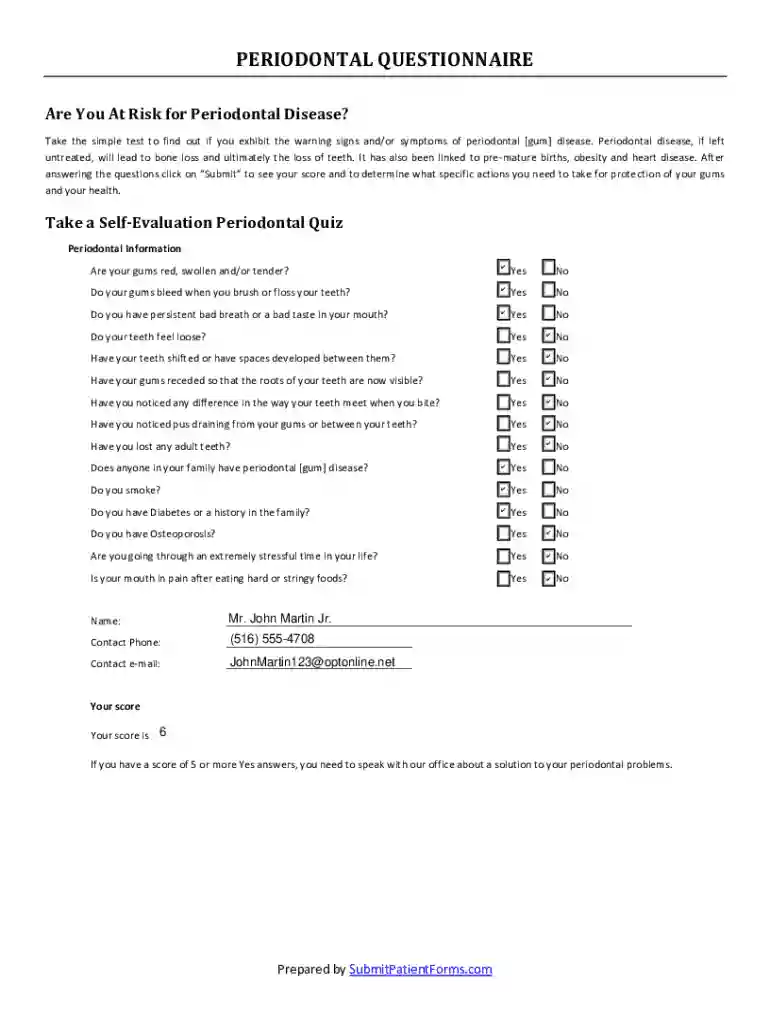
The periodontal questionnaire is a tool used by both dental professionals and individual patients. Dentists use it for initial assessments, while patients may use it as a self-evaluation tool to recognize signs and risk factors of gum disease. This tool aids in early detection, prompting further professional consultation and timely intervention.


Numerous real-world scenarios underscore the importance of monitoring gum disease:
These examples highlight the varied presentations of periodontal disease and the importance of individualized treatment and prevention strategies.
We've got more versions of the Gum Disease Risk FactorsPerio Periodontitis: Treatment, home remedies, and symptomsPeriodontitis: Tr form. Select the right Gum Disease Risk FactorsPerio Periodontitis: Treatment, home remedies, and symptomsPeriodontitis: Tr version from the list and start editing it straight away!
| Versions | Form popularity | Fillable & printable |
|---|---|---|
| 2011 | 4.2 Satisfied (39 Votes) |
At DocHub, your data security is our priority. We follow HIPAA, SOC2, GDPR, and other standards, so you can work on your documents with confidence.