




01. Edit your form online
Type text, add images, blackout confidential details, add comments, highlights and more.

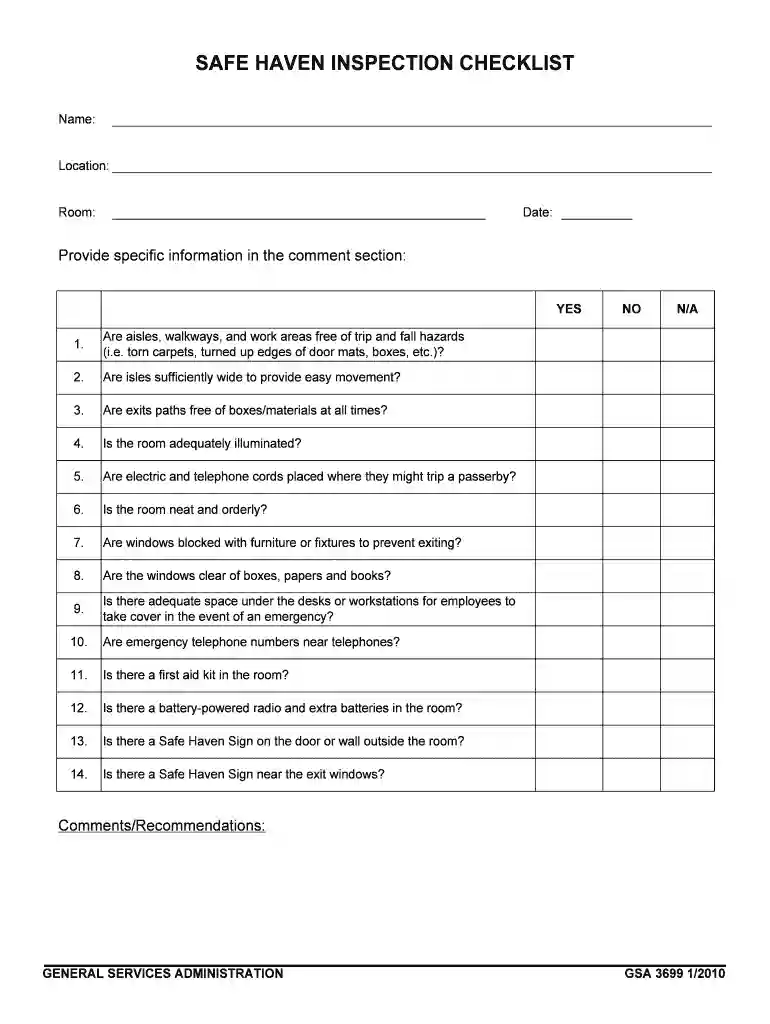
Type text, add images, blackout confidential details, add comments, highlights and more.

Draw your signature, type it, upload its image, or use your mobile device as a signature pad.

Send it via email, link, or fax. You can also download it, export it or print it out.
The "Shop Safety Manual - University of CaliforniaOffice of The" is an essential document designed to ensure a safe working environment across various shop environments within the University of California system. This comprehensive guide outlines the protocols and safety measures required to maintain compliance with occupational safety standards. It serves as a blueprint for both administrators and employees to understand and implement safety procedures effectively. The manual includes detailed instructions on handling equipment, managing hazardous materials, and procedures for emergency situations.
To utilize the Shop Safety Manual correctly, individuals involved in shop operations should engage in a step-by-step review of the document’s contents. This not only enhances personal safety but also mitigates risks associated with shop usage.
Initial Review: Familiarize yourself with the manual’s structure, section by section, to understand the scope of safety measures.
Safety Equipment Usage: Follow the detailed guidelines on how to correctly wear and maintain personal protective equipment (PPE).
Emergency Preparedness: Identify and memorize emergency exits, first aid equipment placements, and emergency contact numbers.
Regular Updates: Stay informed about updates or changes in safety practices, which are periodically revised to incorporate the latest in safety innovations and compliance requirements.
The manual is composed of several key sections that are vital for maintaining safe shop operations. Each section is developed to address specific safety areas relevant to shop environments.
Hazard Identification: Identifies potential hazards linked to equipment and processes, offering preventive measures to avert incidents.
Standard Operating Procedures (SOPs): Provides SOP checklists for various tasks to ensure procedural safety and efficiency.
Inspection Schedules: Details mandatory inspection timelines for equipment and facilities to ensure continuous operational safety.
Utilization of the Shop Safety Manual aligns shop operations with legal safety requirements, minimizing the risk of legal action due to non-compliance with safety regulations.
OSHA Alignment: The manual's guidelines meet or exceed OSHA requirements, offering legal protection and minimizing regulatory fines.
Liability Reduction: Proper adherence to the manual’s guidelines reduces liability in the event of workplace accidents or injuries.
The importance of this safety manual cannot be overstated, as it plays a critical role in fostering a culture of safety within the University of California's shop environments.
Accident Prevention: Proper implementation of the manual’s protocols significantly reduces the likelihood of accidents and injuries.
Efficiency Improvement: Operational procedures and safety measures outlined can lead to increased efficiency and productivity due to fewer disruptions from accidents or hazards.
The Shop Safety Manual has been instrumental in several real-life applications, resulting in successful mitigation of risks in university shop settings.
Laboratory Safety: Application of the manual's guidelines in chemistry laboratories has led to safer handling of hazardous chemicals.
Engineering Workshops: Utilization of SOPs for machinery use in engineering shops has minimized accidents associated with equipment misuse.
The Shop Safety Manual can be acquired through specific channels aligned with the University of California's distribution policies.
University Website: Access the manual through the official University of California website under the safety resources section.
Administrative Offices: Request a hard copy from the university’s administrative or safety office for detailed review and dissemination.
The manual is designed for a broad range of users within the university, ensuring that everyone involved in shop operations is well-versed in safety procedures.
Students and Faculty: Crucial for students and faculty members who regularly engage in hands-on activities and projects within shop facilities.
Maintenance Staff: Essential for maintenance personnel to understand safety protocols and inspection procedures.
This selected coverage allows for a comprehensive understanding of the Shop Safety Manual, providing users with the tools they need to create a safe and compliant environment.


We've got more versions of the Shop Safety Manual - University of CaliforniaOffice of The form. Select the right Shop Safety Manual - University of CaliforniaOffice of The version from the list and start editing it straight away!
| Versions | Form popularity | Fillable & printable |
|---|---|---|
| 2010 | 4.8 Satisfied (152 Votes) |
At DocHub, your data security is our priority. We follow HIPAA, SOC2, GDPR, and other standards, so you can work on your documents with confidence.
The Manual establishes policy, responsibilities and procedures for the conduct of the Agencys Occupational Health and Safety programs.
Fracking in California is primarily used to extract oil. In some cases fracking is taking place on private land without the owners knowledge.


