




01. Edit your form online
Type text, add images, blackout confidential details, add comments, highlights and more.

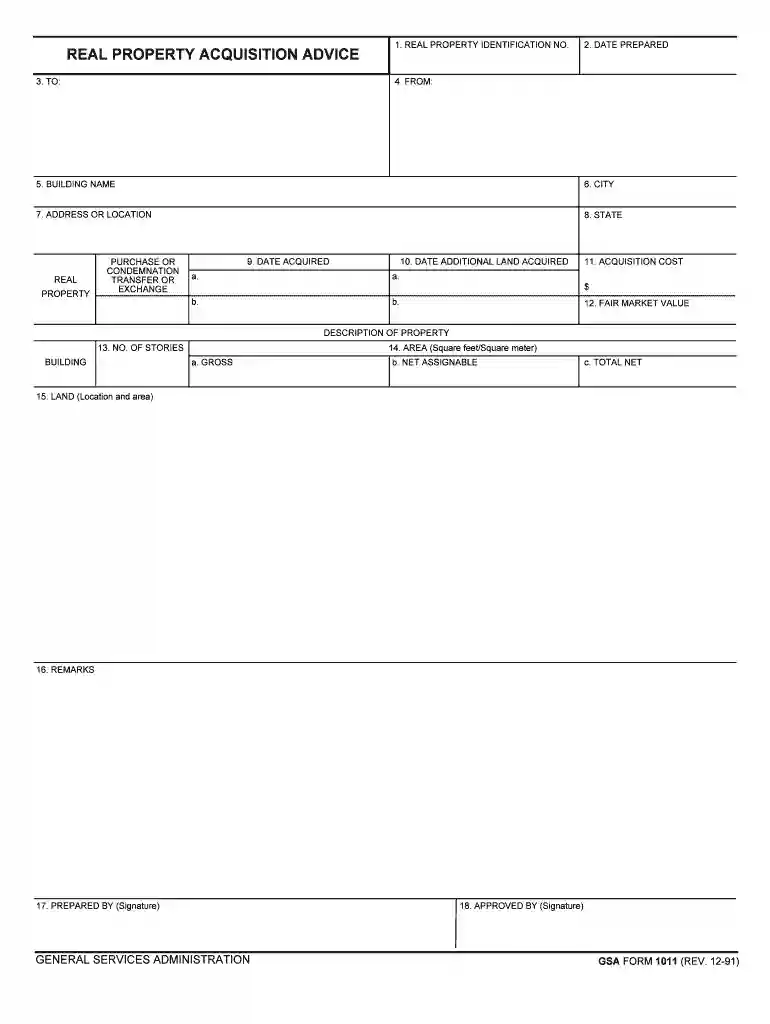
Type text, add images, blackout confidential details, add comments, highlights and more.

Draw your signature, type it, upload its image, or use your mobile device as a signature pad.

Send it via email, link, or fax. You can also download it, export it or print it out.
Chapter 8 26 RCW, commonly referred to as Relocation Assistance, is a regulatory framework within Washington State law. Its primary purpose is to provide financial and logistical assistance to individuals and businesses that are displaced due to public projects, such as highway expansions or urban renewal developments. The term "RELOCATION ASSISTANCEREAL" underscores the real and tangible support provided to those affected, ensuring a smoother transition process.
This chapter stipulates that entities undertaking public projects, typically governmental bodies, are responsible for offering adequate support to impacted parties. This includes coverage for moving expenses and compensation for the loss of property use. Understanding the nuances of this chapter is crucial for those facing displacement and seeking to secure their rights under Washington State law.
Individuals or businesses affected by public projects must first ascertain their eligibility for assistance under Chapter 8 26 RCW. The process generally involves:
Notification of Displacement: Receive formal notification from the public entity detailing the displacement and eligibility for assistance.
Consultation Services: Engage with relocation specialists provided by the displacing agency, who offer guidance on available assistance, entitlements, and the claims process.
Filing a Claim: Prepare and submit necessary documentation to claim relocation expenses. This may involve detailed records of moving costs, temporary accommodation expenses, and related financial impacts.
Review & Approval: The claim is reviewed by the agency, ensuring compliance with Chapter 8 26 RCW provisions before approval and disbursement of funds.
Correct application of this chapter ensures that displaced parties receive fair compensation, minimizing disruption caused by public developments.
Completing processes under Chapter 8 26 RCW involves a systematic approach:
Document Preparation:
Consult Agency Resources:
Submit Claim Forms:
Agency Verification:
Receive Assistance:
Timeliness is crucial, as delays in submission could affect eligibility and the amount of compensation available.
Understanding the legal lexicon associated with Chapter 8 26 RCW enhances clarity and aids in the successful navigation of the relocation process. Key terms include:
Awareness of these terms enables affected parties to articulate their needs and rights more effectively when interacting with agencies.
Several core components define the scope and application of Chapter 8 26 RCW:
Knowing these elements is vital for beneficiaries to assert their entitlements under the chapter correctly.
Within the United States, relocation assistance legislation varies substantially from state to state. In Washington State, Chapter 8 26 RCW establishes specific mandates that include:
These state-specific rules serve as safeguards, ensuring thorough and equitable treatment for displaced individuals and businesses in Washington.
Consider a scenario where a small business is displaced by a highway expansion in Washington. Under Chapter 8 26 RCW:
Such real-world applications highlight the chapter's practical utility in safeguarding stakeholder interests during government-led initiatives.
Legal applicability of Chapter 8 26 RCW underscores:
Engaging with legal counsel familiar with this statutory chapter can enhance strategic decision-making for affected parties, helping to secure equitable outcomes.
We've got more versions of the Chapter 8 26 RCW: RELOCATION ASSISTANCEREAL form. Select the right Chapter 8 26 RCW: RELOCATION ASSISTANCEREAL version from the list and start editing it straight away!
| Versions | Form popularity | Fillable & printable |
|---|---|---|
| 1991 | 4.8 Satisfied (104 Votes) |
At DocHub, your data security is our priority. We follow HIPAA, SOC2, GDPR, and other standards, so you can work on your documents with confidence.
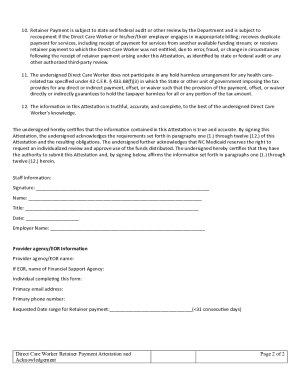



Uniform relocation assistance and real property acquisition. Unlawful occupant: A person who occupies without property right, title or payment of rent or a
26 Print Chapter 8.26 RCW RELOCATION ASSISTANCEREAL PROPERTY ACQUISITION POLICY. Relocation assistance advisory services. assistance payments not income or


