







Definition & Meaning
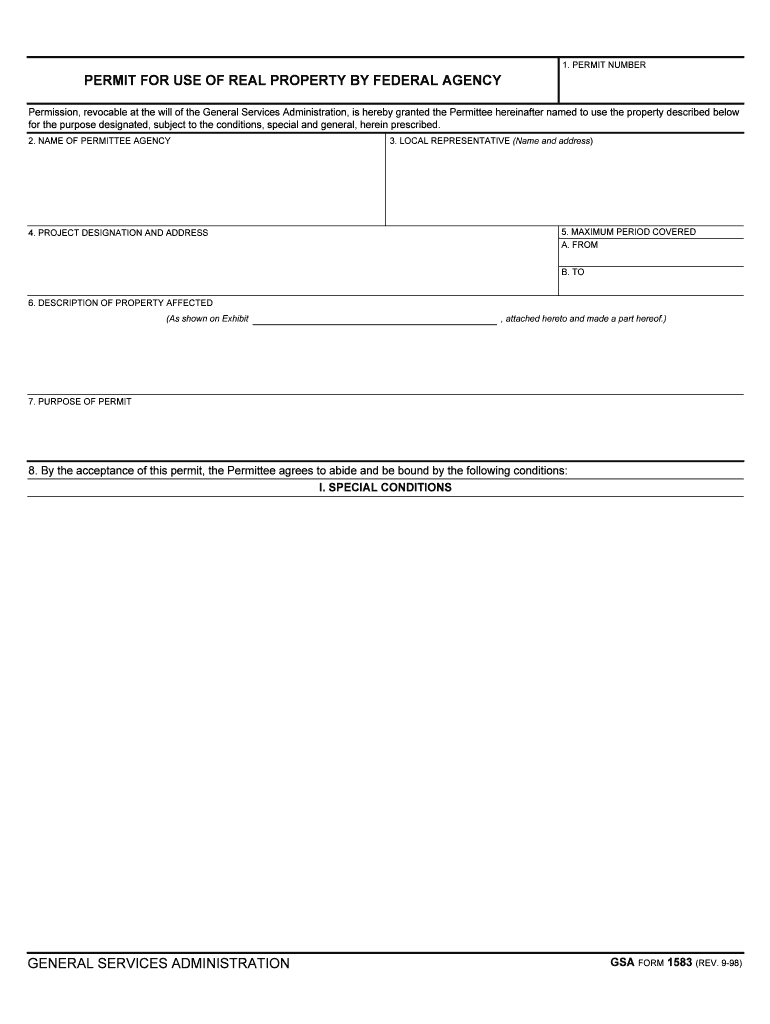
The "Permit for Use of Real Property by Federal - GSA" is a formal document issued by the General Services Administration (GSA). It outlines the agreement allowing a federal agency to utilize a specific piece of real estate for designated purposes. This permit is crucial for managing federal property assets, ensuring that all use complies with legislative requirements and regulations. The document details conditions under which the property is used, responsibilities of the permit holder, and guidelines for maintaining the property.
How to Use the Permit
Understanding how to utilize the "Permit for Use of Real Property by Federal - GSA" effectively involves knowing the specific terms and conditions outlined in the document. Federal agencies granted this permit must adhere strictly to the stipulations, including:
- Maintenance Requirements: Agencies are responsible for keeping the property in good condition.
- Adherence to Regulations: Compliance with federal, state, and local laws governing property use is mandatory.
- Vacating Procedures: Upon expiration or revocation, agencies must vacate and restore the property to its original state unless otherwise agreed.
Steps to Complete the Permit
Completing the permit involves several critical steps:
- Review Requirements: Understand the conditions and regulations associated with the permit.
- Submit Application: Fill out all required fields accurately, providing necessary documentation as requested.
- Approval Process: Await review by the GSA, which may conduct inspections or request additional information.
- Finalization: Once approved, the permit is finalized and must be adhered to by the agency in all respects.
Key Elements of the Permit
Understanding the core components of the "Permit for Use of Real Property by Federal - GSA" is essential for compliance and effective use:
- Property Description: Detailed identification of the property, including its location and boundaries.
- Authorized Uses: Clearly defined purposes for which the property may be utilized.
- Responsibilities and Conditions: Obligations related to maintenance, regulatory compliance, and reporting.
- Expiration or Renewal Terms: Specifies the permit length and conditions for renewal or termination.
Legal Use of the Permit
Legal use of the permit involves:
- Compliance with Federal Laws: Agencies must operate within the legal framework set by federal property management laws.
- Guidance and Oversight: The GSA provides oversight, ensuring laws and regulations are upheld.
Failing to comply may result in penalties, termination of the permit, or legal actions.
Important Terms Related to the Permit
Certain terms are vital to understanding this permit:
- Permittee: The federal agency authorized to use the property.
- GSA: General Services Administration, the issuing body.
- Expiration: The date upon which the permit is no longer valid unless renewed.
- Revocation: The cancellation of the permit due to non-compliance or violations.
Application Process & Approval Time
Applying and receiving approval for the "Permit for Use of Real Property by Federal - GSA" requires attention to detail:
- Timeframe: Typically, the approval process can take several weeks to months depending on the complexity and urgency.
- Documentation: Accurate and thorough documentation speeds up the process.
Key factors influencing the timeline include the completeness of the submission and any regulatory hurdles that may need addressing.
Who Typically Uses the Permit
The permit is primarily used by:
- Federal Agencies: These may include departments and offices needing specific real estate for operations.
- Government Institutions: Such as educational or research entities under federal administration.
These entities require a structured, compliant framework to manage their real estate assets effectively.


Who Issues the Form
The General Services Administration (GSA) is the authoritative body responsible for issuing this permit. As part of its mandate, the GSA oversees federal property management and ensures that all usage aligns with governmental policies and legislative guidelines.




