First B Notice 2026

Get Form
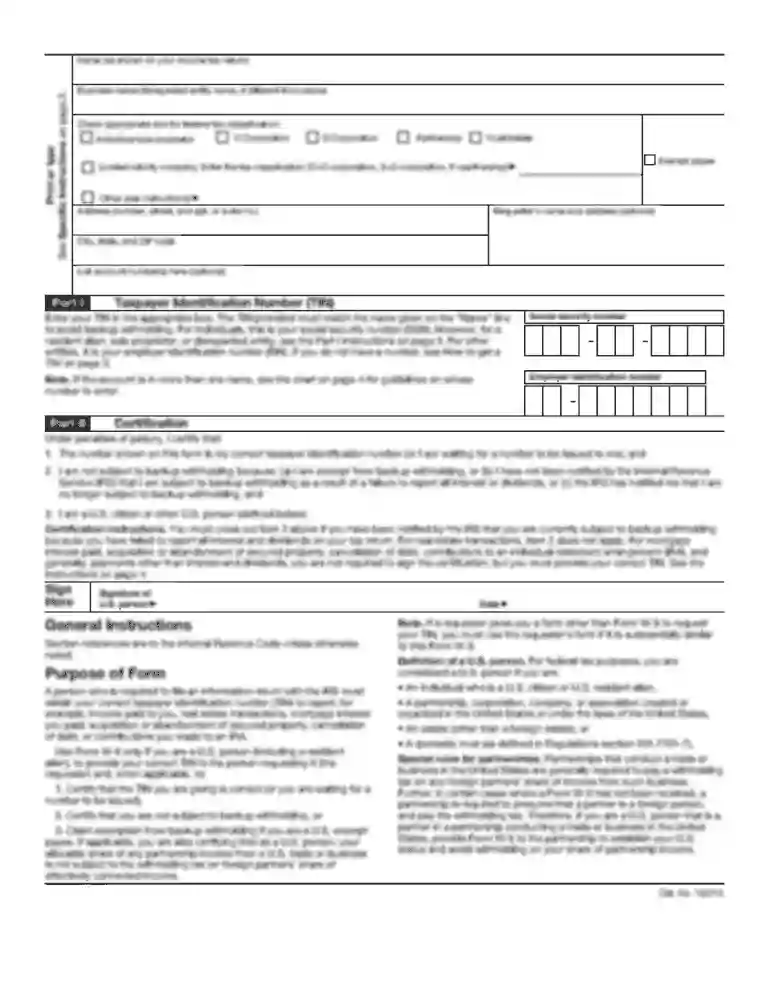
First B Notice Preview on Page 1

Here's how it works

01. Edit your form online
Type text, add images, blackout confidential details, add comments, highlights and more.

02. Sign it in a few clicks
Draw your signature, type it, upload its image, or use your mobile device as a signature pad.

03. Share your form with others
Send it via email, link, or fax. You can also download it, export it or print it out.

Definition & Meaning

The "First B Notice" is a tax notification issued by the IRS to inform taxpayers of discrepancies between their taxpayer identification number (TIN) and the records on file with the IRS or Social Security Administration (SSA). It serves as a preliminary alert to the taxpayer to correct the mismatch in order to avoid further tax-related complications. The notice emphasizes the need for accurate taxpayer information, which is crucial to ensure correct tax processing and to avoid penalties or backup withholding.

How to Use the First B Notice

To address the issues indicated in the First B Notice, the recipient needs to take specific actions:

  1. Verify the accuracy of the TIN and name provided on the tax documents.
  2. Complete and submit Form W-9 (Request for Taxpayer Identification Number and Certification) to correct any errors.
  3. Contact the IRS or SSA for further verification if discrepancies persist after the submission of Form W-9.
  4. Ensure any future submissions align with the corrected information to avoid repeated notices.

The First B Notice serves as a proactive step to rectify TIN discrepancies, thereby helping taxpayers stay compliant with IRS requirements.

Who Issues the Form

The First B Notice is officially issued by the Internal Revenue Service (IRS). When third parties such as banks or financial institutions notice inconsistencies with a taxpayer's TIN based on records they receive from the IRS, they are required to forward the First B Notice to the taxpayer. This ensures a streamlined process where taxpayers can correct discrepancies at the earliest opportunity.

Steps to Complete the First B Notice

Completing the First B Notice involves several stages:

  1. Receive the Notice: Upon receiving the First B Notice, ensure you understand the discrepancy mentioned.
  2. Review Information: Cross-check the TIN and name in your records against those provided to the IRS.
  3. Complete Form W-9: If inaccuracies are identified, fill out Form W-9 with the correct TIN and name.
  4. Submit Corrections: Send the completed Form W-9 to the issuer of the notice—such as a bank or financial institution—who would have requested this information.
  5. Update Records: Concurrently, adjust your records and ensure all future submissions mirror the corrected details to prevent future discrepancies.

By adhering to these steps, taxpayers can rectify inaccuracies efficiently, thereby avoiding potential penalties.

Important Terms Related to First B Notice

Understanding key terms associated with the First B Notice helps in its effective management:

  • Taxpayer Identification Number (TIN): A unique identifier assigned to taxpayers for tracking. It can be a Social Security Number (SSN), Employer Identification Number (EIN), or an Individual Taxpayer Identification Number (ITIN).
  • Form W-9: A form used by the IRS to collect identifying information like the TIN from taxpayers.
  • Backup Withholding: A type of withholding tax that the IRS can impose on certain payments if TIN issues are not resolved.
  • Discrepancy: Any mismatch between the TIN and name as recorded in the IRS database versus submitted documents.

Familiarity with these terms makes it easier for taxpayers to navigate the notice requirements and rectify any mistakes.

Penalties for Non-Compliance

Non-compliance with the instructions in a First B Notice can lead to several repercussions:

  • Backup Withholding: If discrepancies are not corrected within a specified timeframe, payers will be required to withhold a percentage of certain payments to you as backup withholding.
  • Monetary Fines: Ongoing non-compliance can result in additional penalties, including fines for failing to provide accurate TIN information.
  • Delayed Refunds: Errors could delay the processing of tax refunds, leading to further administrative burdens.

Adhering to the requirements of the First B Notice is essential to avoid these potential penalties.

Filing Deadlines / Important Dates

While the First B Notice does not specify an explicit deadline, timely response is critical:

  • Initial Response: Ideally, aim to address discrepancies within 30 days of receiving the notice.
  • Form W-9 Submission: Complete and return the Form W-9 as soon as possible to the requester, typically within the timeframe they provide.
  • IRS Deadlines: Keep a check on IRS yearly tax deadlines to ensure all information is updated well before these dates.

Timely action can significantly minimize risks associated with TIN mismatches.

Examples of Using the First B Notice

Scenarios where the First B Notice can be effectively used:

  • Employers: Notifying employees who have discrepancies in their SSNs as per IRS records.
  • Financial Institutions: Alerting account holders if their TINs do not match IRS records during annual information reporting.
  • Contractors and Freelancers: Ensuring that independent contractors' TIN data aligns accurately with IRS requirements.

These examples underline the notice's role in maintaining accurate tax records across diverse taxpayer groups.

be ready to get more

Complete this form in 5 minutes or less

Get form

Got questions?

We have answers to the most popular questions from our customers. If you can't find an answer to your question, please contact us.
Contact us
Backup withholding could be a bad thing, since it ties up money with the IRS that could otherwise be used for investment purposes. If you are subject to backup withholding, however, you may receive some of that money back as a tax refund.
First B notice (CP2100/CP2100A) The first B notice serves as a warning to businesses, allowing them to correct their records before the IRS takes further action. The IRS usually issues these forms twice a year, in October and the following April.
B1 Notice: Issued when a discrepancy is identified for the first time within a 3-year period. To correct a B1 notice, send a filled-out W-9 form to support@vagaro.com. Click here to download a blank W-9 form. B2 Notice: Issued when a discrepancy is identified for the 2nd or 3rd time within a 3-year period.
B notices are issued for various reasons, such as incorrect TINs, missing or incomplete information, and mismatched payee names. The purpose of these notices is to ensure accurate reporting and prevent tax evasion. An essential part of the tax system, B notices help ensure compliance and accurate reporting.
Internal Revenue Code The Constitution gives Congress the power to tax. Congress typically enacts Federal tax law in the Internal Revenue Code of 1986 (IRC). The sections of the IRC can be found in Title 26 of the United States Code (26 USC).

Security and compliance

At DocHub, your data security is our priority. We follow HIPAA, SOC2, GDPR, and other standards, so you can work on your documents with confidence.
Learn more
ccpa2
pci-dss
gdpr-compliance
hipaa
soc-compliance
be ready to get more

Complete this form in 5 minutes or less

Get form

People also ask

Code B is for a distribution from a designated Roth account. This code is in scope only if taxable amount has been determined.
A code 1B indicates a early distribution (under age 59 1/2) from a Designated Roth account. Usually the box 2a is the taxble amount. Enter the 1099-Rs and answer the follow-up questions to determine the actual taxable amounts.
Lets start with transaction codes, the three-digit codes that signify an Internal Revenue Service action related to your taxes, such as a credit or debit. The codes help create a history of your account. An R following a transaction code shows that the transaction has been reversed.

Related links