





Definition & Meaning of "Form Online"
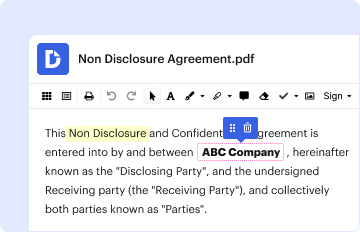
"Form online" refers to electronic versions of traditional paper forms that users can access, complete, and submit via the internet. These digital forms streamline processes by eliminating the need for physical paperwork and provide a more efficient way to collect information. The term encompasses a variety of forms used for different purposes, including tax filings, business registrations, applications, and more. By utilizing digital forms, users can save time and reduce errors through automated calculations and real-time validations.
How to Use the Form Online
Using an online form is straightforward and generally involves visiting a website where the form is hosted. Most online forms guide users step-by-step through the completion process. Here's a typical procedure:
-
Access the Form: Navigate to the website hosting the form. It might be a government site or a service provider like DocHub.
-
Fill Out the Form: Input the required information into the designated fields. Many forms include instructions and tooltips to aid completion.
-
Review and Edit: Before submission, users should review their entries for accuracy. Online forms often allow saving progress, so users can return later if needed.
-
Submit: Once satisfied, submit the form. Most systems provide a confirmation of receipt and may also offer a downloadable copy of the submitted form.
How to Obtain the Form Online
To obtain a form online, users typically follow a few steps depending on the hosting platform:
-
Government Websites: Many public forms, such as tax documents, are available on official government portals. For example, IRS forms can be accessed from the IRS website.
-
Service Providers: Platforms like DocHub offer access to various forms, often with additional features for editing and sending documents. Users can find and select forms relevant to their needs on such platforms.
-
Direct Download: Some sites allow users to download forms directly to their devices for offline completion, although this may negate some benefits of digital automation and verification features.
Steps to Complete the Form Online
Completing an online form effectively requires an understanding of the form's structure:
-
Preparation: Gather any necessary documents or information required for the form. This prevents interruptions during the completion process.
-
Input Information: Begin filling in the form field by field. Pay attention to required fields to ensure completeness.
-
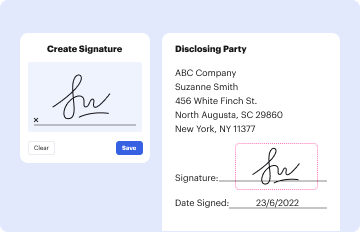
Use Form Tools: If available, make use of built-in tools for adding signatures, attaching documents, or using dropdown menus for ease of input.
-
Verify Entries: Confirm that all data entered is correct and complete. Use form-provided validation tools to check for errors or omissions.
-
Finalize and Submit: Once reviewed, submit the form. Confirmation messages or emails often follow to confirm the successful submission.
Key Elements of the Form Online
Online forms typically include several integral components designed for ease of use and efficient data collection:
-
Fillable Fields: Text boxes, drop-down menus, and checkboxes guide users to provide needed information in structured formats.
-
Instructions and Tooltips: Helpful guides embedded within the form provide clarity and direction for complex entries.
-
Built-in Validation: Automatic checks ensure data is entered correctly, such as ensuring numeric values where required.
-
Submission Tools: Forms often feature convenient submission options, allowing users to send their completed forms directly from the platform.
Legal Use of the Form Online
Online forms are legally recognized as legitimate means of information submission. Key legal aspects include:
-
Electronic Signatures: Legally binding as per the ESIGN Act in the United States. Users can sign documents digitally, ensuring signatures are valid and enforceable.
-
Data Protection: Online forms often include measures to secure personal data in transit and storage, complying with data protection laws such as GDPR or HIPAA when applicable.
-
Audit Trails: Many platforms provide detailed logs of form interactions and submissions, offering traceable evidence of compliance.
Form Submission Methods (Online / Mail / In-Person)
Once completed, online forms can be submitted through various methods:
-
Online Submission: Directly submit through the platform. This is the most efficient and preferred method for most users.
-
Mail: Download and print a copy if physical submission is necessary. It’s less common but sometimes required for specific regulatory contexts.
-
In-Person: Visit an office for document submission in person. This method is rare for forms designed primarily for online use but may be required for certain verifications.
Software Compatibility
Online forms are often designed to be compatible with popular software tools, enhancing functionality:
-
Integration with Productivity Applications: Platforms like DocHub may integrate with Google Workspace, allowing users to import and export documents seamlessly from applications such as Google Drive.
-
Compatibility with Accounting Software: For business forms or tax documents, compatibility with software such as TurboTax or QuickBooks is common, aiding in easier data transfer and reporting efficiency.