




01. Edit your form online
Type text, add images, blackout confidential details, add comments, highlights and more.

Type text, add images, blackout confidential details, add comments, highlights and more.

Draw your signature, type it, upload its image, or use your mobile device as a signature pad.

Send it via email, link, or fax. You can also download it, export it or print it out.
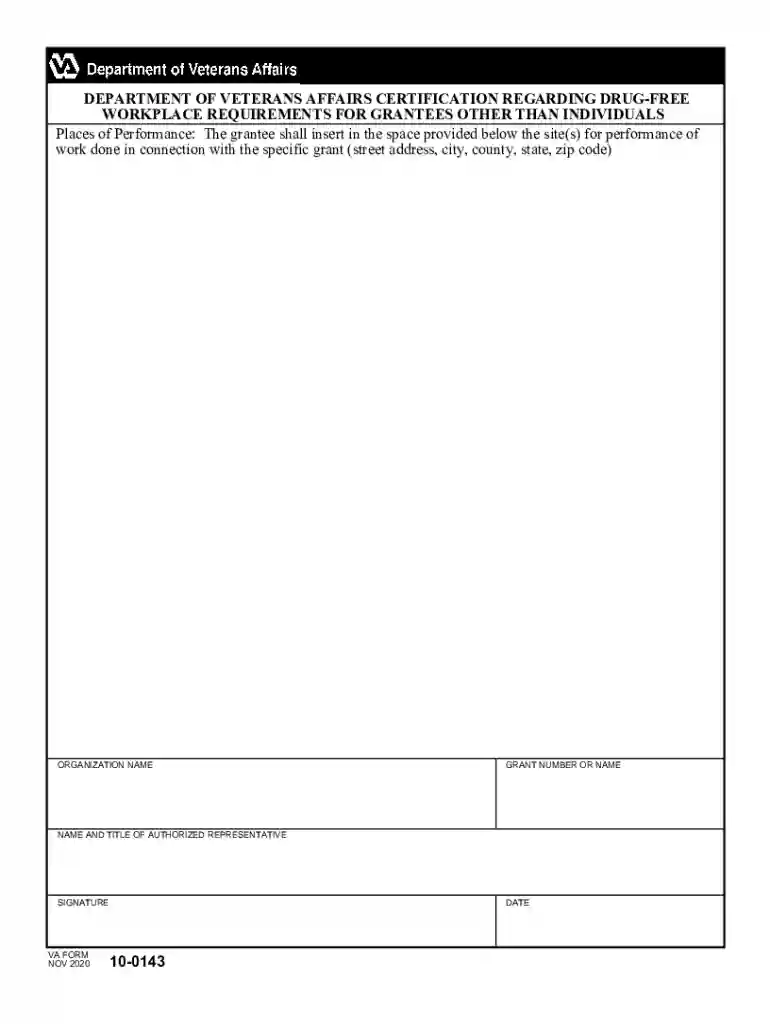
"VA Forms - Department of Veterans Affairs - Forms in Word" refers to various official documents issued by the Department of Veterans Affairs tailored for veterans and active-duty military personnel. These forms are crucial for accessing a wide spectrum of benefits, ranging from health care to educational aid. Typically, they are available in Word format, facilitating easier completion and submission by the users. The provision of these forms in Word ensures broad accessibility, allowing individuals to fill them out electronically or in print, depending on personal preference or requirement.
Using VA Forms effectively involves understanding their purpose and knowing the steps to complete them. Here is a general process to guide users:
Identify the Correct Form: Determine the specific form you require based on your needs, such as applying for health benefits, educational assistance, or housing aid.
Download the Form: Access the form in Word format from the official Department of Veterans Affairs website to ensure you have the latest version.
Filling Out the Form:
Review and Edit: Double-check all information entered for accuracy and completeness. Verify personal details, dates, and any specific claims or information sections.
Submission: Follow the instructions provided with the form for submission, which could include mailing the printed form or submitting it electronically via an online platform.
Completing VA Forms requires a careful and methodical approach to ensure accuracy and compliance with VA guidelines:
Preparation: Gather all necessary information and documents before starting. This may include service records, personal identification, and any supporting evidence for claims or benefits eligibility.
Filling Process:
Checking for Errors: Review the entire document for any errors or incomplete sections. Cross-reference your entries against the provided instructions for accuracy.
Saving Work: Regularly save your changes during the editing process to prevent data loss in case of software issues.
Submission: Once verified and complete, follow submission guidelines. For electronic submissions, convert the document to a PDF format if required by the platform.
The primary users of VA Forms encompass the following groups:
Veterans: Individuals who have served in the military, seeking benefits like health care, disability compensation, or educational support.
Active-Duty Military: Service members aiming to access benefits or resources available during or post-service.
Family Members: Spouses or dependents eligible for specific programs, such as survivor benefits or educational assistance.
Legal Representatives: Attorneys or advocates assisting clients with their claims or benefits access.
Each of these groups may require specific documentation based on eligibility and benefits sought, making a clear understanding of the form's purpose essential.


The VA Forms carry legal significance embedded in their use and submission:
Authentic Representation: Users must ensure all information provided is truthful and reflective of personal circumstances. Falsifying information can result in legal penalties or denial of benefits.
Privacy Compliance: Handle personal data with confidentiality. The forms often include sensitive information protected under privacy laws, so secure handling is paramount.
Submission Deadlines: Adhering to stated deadlines ensures timely processing of claims and benefits, avoiding unnecessary delays or denials.
Several components are crucial within VA Forms:
Personal Information: Full name, Social Security number, contact details, and service information.
Benefit Type: Specific sections dedicated to the type of benefit or claim being sought, such as medical, educational, or housing.
Evidence Section: Areas to detail supporting documents or additional evidence required for specific claims.
Signature Fields: Official sections for applicant signatures, ensuring legality and acceptance of terms outlined.
Instructions: Detailed guidelines embedded within or alongside the form to support accurate completion.
Understanding these terms enhances users’ ability to navigate the forms:
Eligibility: Criteria that applicants must meet to qualify for the benefits.
Compensation: Monetary benefits provided for service-related disabilities or conditions.
Enrollment Certification: The process of confirming an applicant’s eligibility and participation in VA programs.
Dependents: Family members who may be entitled to specific benefits through the veteran’s eligibility.
Each term sheds light on the intricacies of VA forms, helping users complete them more effectively.
Real-world scenarios demonstrate practical applications:
Health Benefits Application: Veterans with service-related injuries complete forms to receive medical treatment and compensation.
Educational Grant: A veteran's spouse fills out an education benefits form for tuition assistance.
Housing Loan: Active-duty personnel apply for VA loans using designated forms to purchase or renovate a home.
Each example underscores the diverse applications and the necessity for accuracy and timely submissions.
Demonstrating eligibility often necessitates additional documentation:
Service Records: For verifying service status and conditions.
Medical Reports: To substantiate claims for disability benefits.
Proof of Residency: Required for certain state-specific benefits or programs.
Educational Transcripts: When applying for academic or vocational support.
Providing these documents aligns with form requirements, optimizing approval chances.
We've got more versions of the VA Forms - Department of Veterans Affairs - Forms in Word form. Select the right VA Forms - Department of Veterans Affairs - Forms in Word version from the list and start editing it straight away!
At DocHub, your data security is our priority. We follow HIPAA, SOC2, GDPR, and other standards, so you can work on your documents with confidence.


