







Definition and Purpose of the Permit
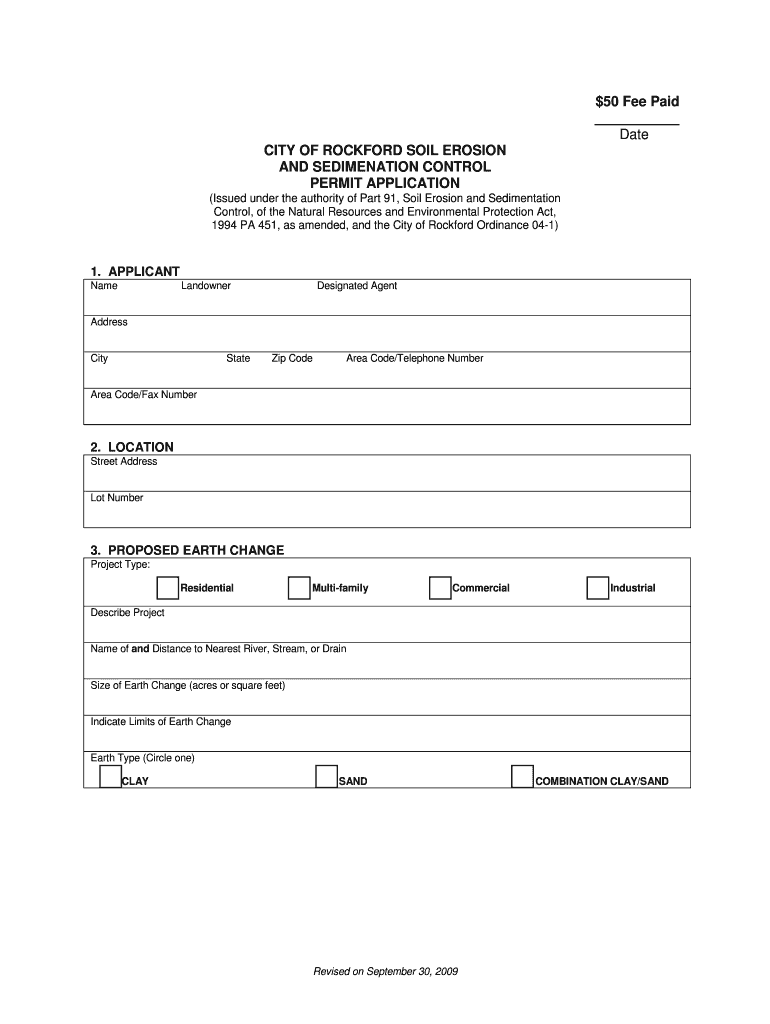
The Soil Erosion and Sedimentation Control Permit in the City of Rockford is a critical document needed to ensure the protection of public utilities and waterways during construction projects. The permit regulates the measures that need to be in place to prevent soil erosion and manage sedimentation effectively. By mandating this permit, the city aims to minimize the environmental impact of construction on local ecosystems and maintain the integrity of infrastructure.
- Protects Infrastructure: By preventing sediment from entering waterways, the permit helps preserve drainage systems and other public utilities.
- Environmental Stewardship: Encourages sustainable practices to protect local ecosystems from the harmful effects of erosion.
- Regulatory Compliance: Ensures construction projects adhere to local ordinances, reducing the risk of legal issues.
How to Obtain the Permit
Securing the Soil Erosion and Sedimentation Control Permit requires a systematic approach, ensuring all legal and procedural requirements are met before commencing construction activities.
- Application Submission: Begin by submitting an application form to the City of Rockford's municipal offices.
- Documentation: Provide necessary documentation demonstrating the proposed erosion control measures, including site plans detailing silt fencing placements and other protective measures.
- Fee Payment: Pay the $50 application fee as part of the submission process.
- Review Process: The city's relevant department will examine the application for compliance with local guidelines.
- Approval: Upon satisfactory review, the permit is issued, allowing construction to begin.
Key Elements of the Permit
The permit encompasses several critical components designed to ensure comprehensive erosion and sediment control during construction projects. These elements focus on practical strategies and compliance requirements.
- Erosion Control Measures: Specific strategies such as silt fencing and sediment traps to manage soil displacement.
- Inspection Protocols: Regular inspections by city officials to ensure ongoing compliance with permit conditions.
- Corrective Actions: Guidelines for remedies if non-compliance is detected, ensuring swift resolution of potential issues.
Steps to Complete the Application
Completing the application for the permit involves a few essential steps, each designed to ensure thorough planning and compliance with local regulations.
- Gather Information: Collect all relevant project details, including site plans and erosion control strategies.
- Complete the Form: Accurately fill out the application form with all required information.
- Attach Documentation: Include site maps, control measure descriptions, and any supporting documents.
- Submit the Application: Deliver all materials, including the application fee, to the City of Rockford's designated department.
- Await Feedback: Provide additional information if requested during the review process.
Legal Use and Compliance Obligations
Adhering to the permit's terms is essential to avoid legal repercussions and ensure the sustainable progression of the construction project.
- Regular Monitoring: Conduct routine checks to ensure compliance with the permit’s requirements.
- Adherence to Guidelines: Follow specified erosion control practices meticulously to prevent legal issues.
- Compliance Reports: Submit reports if requested by city officials to demonstrate ongoing adherence.
Important Terms Related to the Permit
Understanding the terminologies used in relation to the permit helps applicants navigate the process more efficiently and ensures accurate compliance.
- Silt Fencing: Temporary barriers used to prevent sediment from migrating to unwanted areas.
- Sediment Traps: Structures designed to capture and retain sediment on-site.
- Non-Compliance: Failing to meet the stipulated conditions set forth in the permit, potentially leading to enforcement actions.
State-Specific Rules for Rockford
The City of Rockford has implemented specific regulations that applicants need to understand and abide by when applying for the permit.
- Local Ordinances: Regulations tailored to the geographic and environmental context of Rockford.
- Construction Timeline: Specific periods during which construction can occur to minimize environmental impact.
- Additional Review: Some projects may require further assessment depending on their size and potential environmental impact.
Penalties for Non-Compliance
Failure to comply with the permit’s requirements can lead to significant consequences, emphasizing the importance of adherence to all stipulated guidelines.
- Fines: Monetary penalties imposed for violations, which can accumulate if issues remain unresolved.
- Project Delays: Required corrective measures may delay project timelines significantly.
- Reputation Impact: Non-compliance can affect the credibility and future operations of those involved in the project.
Practical Examples of Permit Use
Real-world scenarios highlight the importance of the permit in maintaining environmental and infrastructural integrity during construction.
- Subdivision Development: Protects soil integrity and water systems when large areas are cleared for housing projects.
- Road Construction: Erosion controls implemented during road construction prevent sediment from disrupting nearby streams and rivers.
- Commercial Projects: Ensures construction activities for new business infrastructure do not negatively impact neighboring properties or ecosystems.




