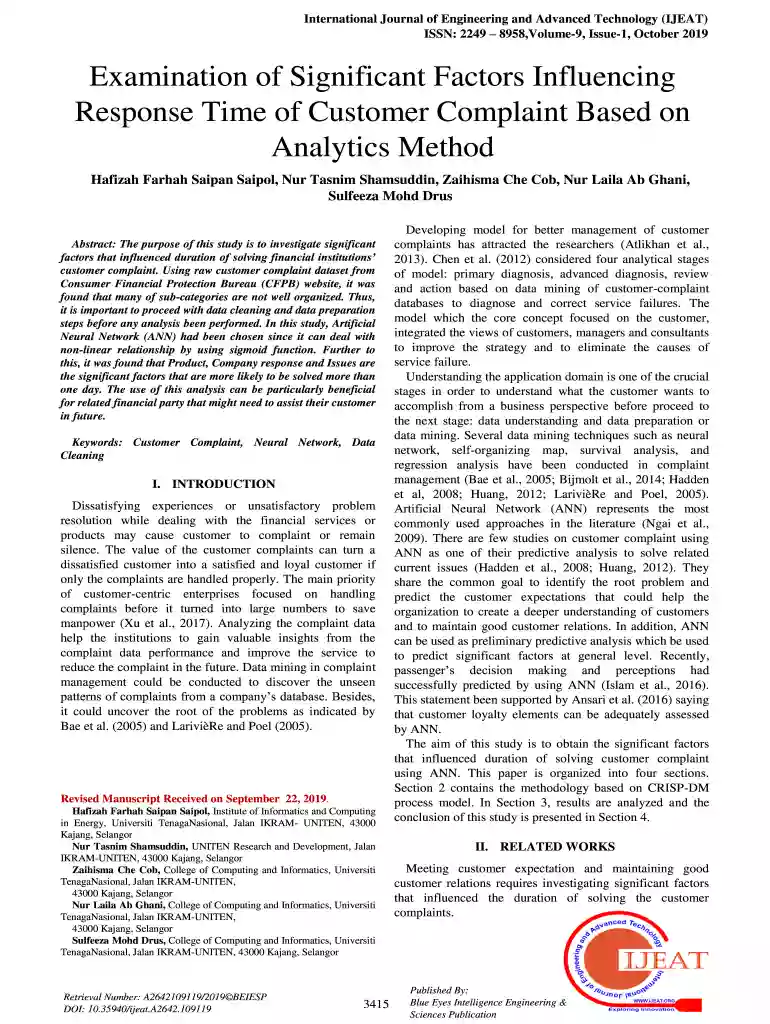
Definition & Meaning
The "Extended Abstract Template" refers to a structured format used in academic and professional settings to summarize the key points of a longer document or study. An extended abstract typically includes concise sections like the introduction, methodology, results, and conclusions, offering a snapshot of the research or discussion presented in the full document. This template is widely used in conference proceedings and academic journals, providing readers with a quick reference to understand the focus and findings of the work.
Key Elements of the Extended Abstract Template
The Extended Abstract Template usually comprises several critical sections:
- Title and Author Information: This section includes the title of the work, along with the names, affiliations, and contact information of the authors.
- Introduction: A brief context-setting section that outlines the purpose and significance of the research, highlighting the problem statement or research question.
- Methodology: A description of the research design, methods, and procedures used in the study, along with any tools or technologies employed.
- Results: A summary of the findings of the research, presented with supporting data and any relevant visuals such as charts or graphs.
- Conclusion: A section that synthesizes the results, discussing their implications and potential applications or future research directions.
- Keywords: A set of terms that help categorize the abstract for indexing and searchability in databases and search engines.
How to Use the Extended Abstract Template
Using the Extended Abstract Template involves several steps:
- Review the Guidelines: Begin by reviewing any specific guidelines provided by the conference or journal where you intend to submit your abstract.
- Organize Content: Gather and organize the main points of your research into the structured format provided by the template.
- Draft Each Section: Write clear and concise content for each section, adhering to word count limits.
- Proofread: Carefully proofread the abstract to ensure clarity, coherence, and adherence to the predefined structure.
- Submit: Follow submission instructions to ensure the format and content align with the publisher's requirements.
Steps to Complete the Extended Abstract Template
Completing an Extended Abstract involves these key steps:
- Identify the Core Message: Clarify the main argument or finding you intend to convey.
- Gather Required Information: Assemble all necessary data and information from your research.
- Draft the Abstract: Write the abstract, starting with the introduction and proceeding through to the conclusion.
- Include Visual Aids: Integrate graphs or charts, if applicable, to illustrate significant findings or trends.
- Revise for Brevity and Clarity: Edit the abstract to remove unnecessary wording, ensuring it is concise.
- Seek Peer Feedback: Share with colleagues or mentors for constructive feedback.
- Finalize: Make necessary revisions based on feedback, then finalize the document for submission.
Why You Should Use the Extended Abstract Template
Using an Extended Abstract Template offers several advantages:
- Efficiency: Helps structure complex research into a concise summary, making the material accessible to readers who may not have time to read a full report.
- Clarity: Ensures key findings are communicated clearly and effectively.
- Compliance: Facilitates adherence to submission guidelines required by academic journals and conferences.
Legal Use of the Extended Abstract Template
The Extended Abstract Template must adhere to specific legal and ethical guidelines, notably:
- Intellectual Property: Properly attribute sources and collaborators to avoid plagiarism.
- Confidentiality: Ensure no proprietary data is disclosed without consent.
- Compliance with Submission Policies: Align with any specific regulatory or institutional requirements governing the publication of research findings.
Examples of Using the Extended Abstract Template
Real-world applications of the Extended Abstract Template include:
- Academic Conferences: Researchers summarize their studies as part of conference proceedings.
- Scientific Journals: Authors provide a structured overview of articles or studies submitted for publication.
- Professional Presentations: Industry speakers distill complex innovations or methodologies into accessible abstracts for sector-specific audiences.