
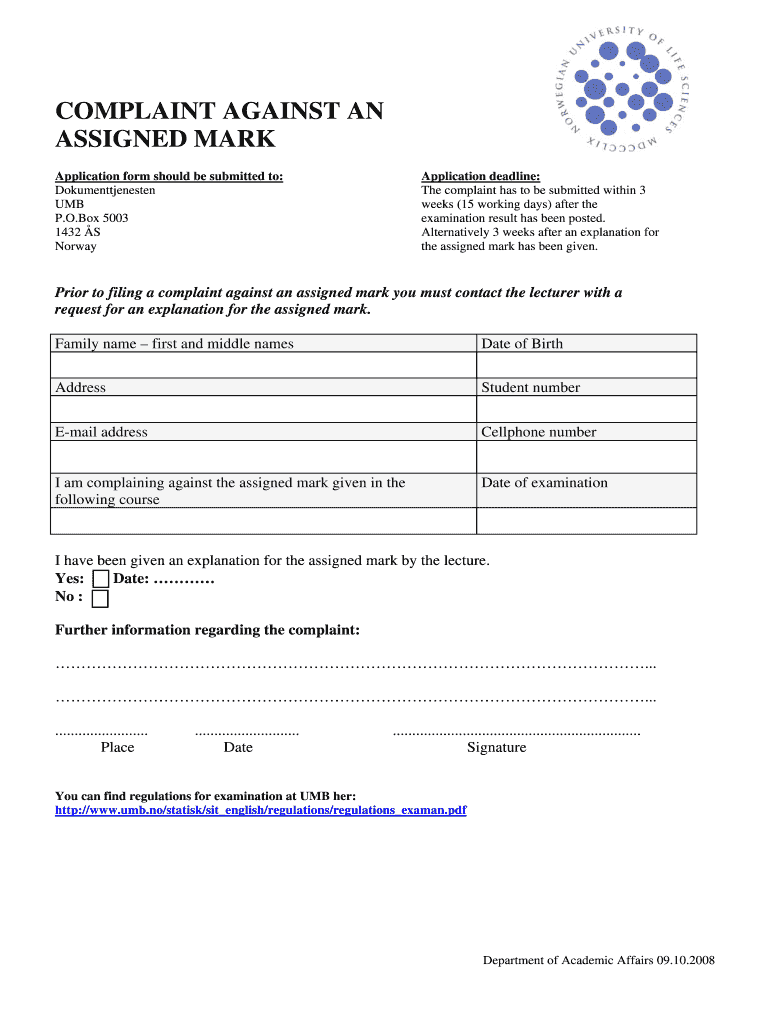







Definition & Meaning
The UMB, Department for Plant and Environmental Sciences (IPM) refers to the institutional framework that deals with integrated pest management practices within the University of Maryland's departmental context. Integrated Pest Management (IPM) is a sustainable approach to managing pests by combining biological, cultural, physical, and chemical tools in a way that minimizes economic, health, and environmental risks. The primary aim of IPM is to maintain pest populations below levels that cause economic harm while reducing the reliance on chemical pesticides.
Key Features
- Sustainability: Prioritizes long-term pest control methods that mitigate environmental impact.
- Multi-pronged Approach: Utilizes a combination of biological, cultural, physical, and chemical methods.
- Risk Management: Reduces risks associated with pesticide use, protecting human health and the environment.
Steps to Complete the UMB, Department for Plant and Environmental Sciences (IPM)
Completing the procedures related to the UMB, Department for Plant and Environmental Sciences (IPM) involves several steps, focusing on adequately applying IPM principles within plant and environmental science programs.
- Understand IPM Principles: Study the basic principles, including pest identification, monitoring, and control.
- Assessment: Conduct initial evaluations to identify the specific needs and goals of the IPM implementation.
- Strategy Development: Formulate a comprehensive plan that includes biological, physical, cultural, and chemical control methods.
- Implementation: Execute the strategies with a focus on minimizing the use of chemical pesticides whenever possible.
- Monitoring and Adjustment: Continuously monitor pest activity and environmental conditions, adjusting strategies as needed to ensure effectiveness and sustainability.
Practical Example
- Biological Control: Introducing natural predators to control pest populations.
- Cultural Control: Crop rotation to disrupt pest breeding patterns.
- Physical Control: Use barriers or traps to manage pest access to crops.
- Chemical Control: Apply pesticides judiciously, targeting only specific pests as a last resort.
How to Use the UMB, Department for Plant and Environmental Sciences (IPM)
Utilizing the UMB IPM involves a systemic approach aligned with both educational objectives and environmental conservation efforts. It is crucial for students, educators, and practitioners to implement IPM methods that align with the program's teachings.
Process Overview
- Integration into Curriculum: Implement IPM examples and principles within plant science courses.
- Research Application: Apply IPM principles in ongoing research projects to enhance practical understanding.
- Field Demonstrations: Set up demonstrations that showcase successful IPM strategies in controlled environments.
Who Typically Uses the UMB, Department for Plant and Environmental Sciences (IPM)
The Department's IPM strategies are primarily employed by various stakeholders associated with the University of Maryland.


Users Include
- Students: Engaged in learning and applying IPM principles within their coursework and research projects.
- Researchers: Focused on developing innovative pest management solutions that are sustainable and environmentally friendly.
- Educators: Teaching IPM principles and practices to foster a new generation of environmentally responsible scientists.
- Farmers & Agricultural Experts: Although indirectly, they may benefit from IPM research findings and recommendations, implementing these strategies within their practices.
Examples of Using the UMB, Department for Plant and Environmental Sciences (IPM)
Real-world examples highlight the successful implementation of IPM principles in various contexts within plant and environmental science disciplines.
Case Studies
- Greenhouse Studies: Analysis of pest control in greenhouse environments using IPM strategies that reduced pesticide use by over 50%.
- Field Trials: Implementation across different crops showing reduced pest populations and increased biodiversity over multiple growing seasons.
- Collaborative Projects: Joint initiatives with local farms and community gardens to implement IPM, leading to improved yields and pest control.
Key Elements of the UMB, Department for Plant and Environmental Sciences (IPM)
Understanding the key components of the IPM framework at UMB is essential to successfully leveraging its benefits in educational and research applications.
Core Elements
- Pest Identification and Monitoring: Accurate identification and monitoring of pest populations are critical for effective management.
- Action Thresholds: Establishing thresholds to determine when management actions are necessary to prevent unacceptable damage or nuisance.
- Prevention: Strategies and practices aimed at preventing pest problems before they occur.
- Control Selection: Choosing the most effective and least disruptive control methods based on current research and available tools.
Eligibility Criteria
Criteria for engaging with the UMB IPM program typically involve educational and background prerequisites, ensuring that participants can effectively engage with the departmental objectives.

Eligibility Requirements
- Academic Enrollment: Primarily open to students enrolled in plant and environmental sciences programs.
- Research Interest: Preference may be given to those demonstrating a keen interest in sustainable agriculture and integrated pest management.
- Previous Knowledge: Basic understanding of pest management principles and environmental science methodologies is advantageous.
Digital vs. Paper Version
The UMB, Department for Plant and Environmental Sciences (IPM) predominantly utilizes digital resources to disseminate information and strategies related to integrated pest management.
Benefits of Digital Format
- Accessibility: Instant access to IPM resources, research papers, and case studies through digital platforms.
- Environmental Impact: Reduces paper use, aligning with the sustainable goals of IPM.
- Real-Time Updates: Provides the ability to quickly update and distribute the latest research findings and strategies to a wide audience.




