







Definition & Meaning
"I've been paying taxes on, upkept, and - Justia Ask a Lawyer" typically refers to a legal scenario where individuals seek advice regarding property taxes they have continuously paid and maintained without official ownership. This context frequently arises in adverse possession claims, where one party claims rights to a property due to long-term care and financial contribution. The phrase often surfaces in legal consultations on platforms like Justia, where users discuss their eligibility to file a lawsuit for property ownership.
Contextual Examples
- Adverse Possession Claims: Individuals who have paid taxes on a property they do not legally own might use this formation to inquire about their legal standing to claim ownership.
- Property Disputes: This phrase may be used in the context of resolving disputes involving tax payments on a disputed or neglected property.
How to Use the Form
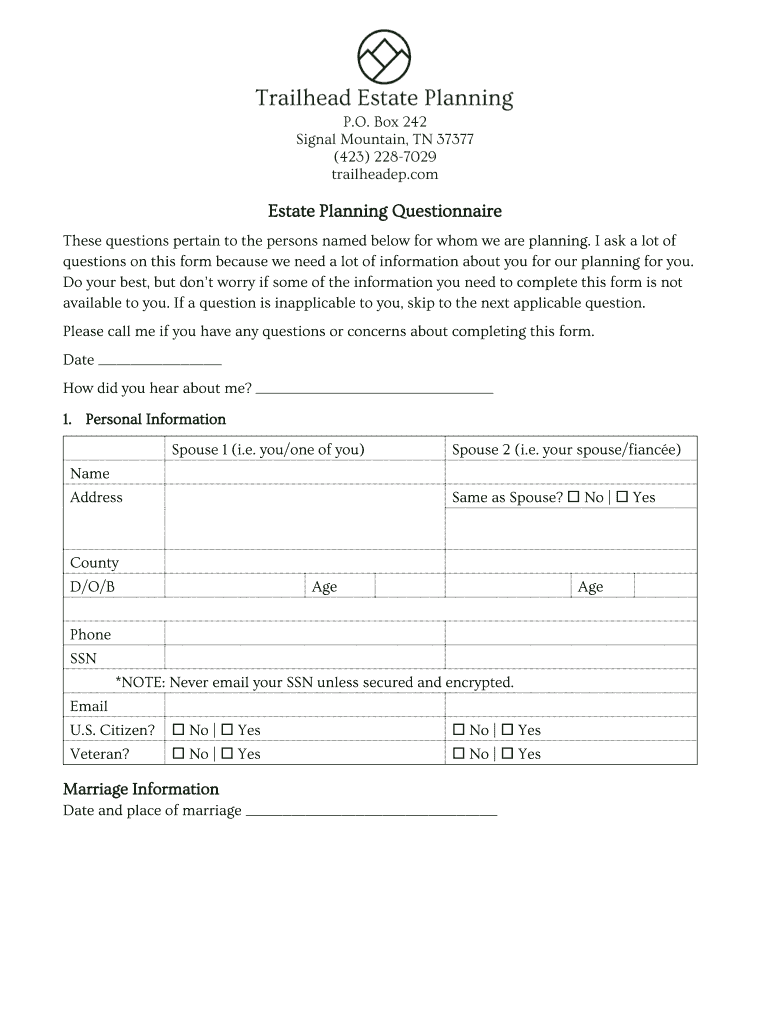
This form is commonly used to gather structured information that assists legal experts in assessing the validity of a property claim based on long-term tax payments and maintenance. The form includes sections that capture details about the property, tax history, and maintenance efforts performed by the claimant, providing a foundation for legal evaluation.
Practical Steps
- Document Property Information: Start by filling out the form with detailed descriptions of the property in question, including address, size, and current usage.
- Tax Payment Records: Compile comprehensive records showing consistent tax payments made under your name.
- Maintenance Evidence: Collect and list evidence supporting any upkeep efforts you have made, such as receipts for repairs or services.
Steps to Complete the Form
Completing the "I've been paying taxes on, upkept, and - Justia Ask a Lawyer" form requires attention to detail, as it serves to inform legal practitioners of your position. Typically, this involves several steps:
- Gather Necessary Documents: Collect tax payment records, maintenance receipts, and any property-related documentation.
- Fill Out Personal Information: Provide your personal and contact details so legal advisors can reach you.
- Detailed Property Description: Include specifics about the property, such as location and condition.
- Tax Payment Details: Outline the dates, amounts, and details of each tax payment made.
- Describe Maintenance Activities: Clearly explain all maintenance actions taken with evidence to support your claims.
Why Use the Form?
Utilizing this form helps clarify your position and gathers all pertinent information needed to evaluate the viability of an adverse possession claim. It enables structured communication with legal professionals, potentially facilitating a smoother path to resolution.
Advantages of Submission
- Legal Clarity: Provides a comprehensive narrative of your claim, enhancing understanding and reducing the risk of miscommunication.
- Evidence Compilation: Acts as a repository for all relevant information and documentation, essential in potential litigation or mediation processes.
Key Elements of the Form
When completing this form, focus on providing comprehensive and accurate information. Important aspects include:
- Property Description: Communicates the specifics of the property, which is critical for assessment.
- Tax and Maintenance Records: Essential for substantiating your claim and demonstrating financial and physical contributions to the property.
- Personal Affidavits or Statements: Statements attesting to your involvement and intentions regarding the property.
Legal Use
The form is designed to assist users in articulating their legal claims regarding continuous tax payments and maintenance activities on a given property. By providing structured information, it acts as a preliminary step for legal consultation and potential court filings.
Legal Considerations
- Adverse Possession Requirements: States have specific legal requirements for adverse possession claims—this form helps align your case with those mandates.
- Documentation Legitimacy: Ensures that the paperwork and statements you provide are valid and recognized by the court.
State-Specific Rules
Various U.S. states have differing regulations on adverse possession claims and related legal actions. Familiarizing yourself with local laws can impact the outcome of your claim significantly.
State Variations
- Time Requirements: States vary in the duration of time you must have occupied and maintained the property before you can claim ownership.
- Evidence Standards: Different states demand varying levels of evidence and documentation.
Examples of Use
To better understand the form's application, consider these scenarios:
- Case Study in California: A client paid property taxes for over 15 years and used the form to successfully claim ownership through adverse possession.
- Example from Texas: An individual maintained a property, paid taxes, and won a legal right after proving compliance with state laws using evidence compiled via this form.
By focusing on these crucial elements, you create a robust foundation for your legal inquiries or claims concerning property you have financially supported and maintained without official ownership.




