




Definition and Purpose of Blank Project Management Templates
Blank project management templates are pre-designed documents that provide a standardized format for managing various aspects of a project, such as planning, execution, and monitoring. These templates typically include sections for stakeholder analysis, milestone charts, risk logs, and change control sheets. The primary purpose of using blank project management templates is to streamline project management tasks by providing ready-to-use formats that teams can customize to fit specific project requirements. This approach not only saves time but also helps in maintaining consistency across projects.
Key Features
- Standardized Layouts: Predefined sections for different project management elements ensure uniformity.
- Customizability: Users can adapt templates to meet the unique needs of their projects by adding or modifying sections.
- Efficiency: Promotes quicker project setup and minimizes redundant tasks.
Benefits
- Time-saving: Reduces the need to develop project documents from scratch.
- Cost-effective: Many templates are available for free or at a lower cost than hiring specialized personnel.
- Stress Reduction: Simplifies complex management tasks, making it easier to track project progress.
Who Typically Uses Blank Project Management Templates
Blank project management templates are versatile tools employed by a wide range of professionals across various industries. These templates aid project managers, team leaders, and coordinators in maintaining an organized approach to project execution. Small businesses, corporations, and non-profit organizations often rely on these templates for effective project documentation.
Common Users
- Project Managers: Utilize templates for planning and tracking project milestones and deliverables.
- Team Leaders: Use them to delegate tasks and manage team schedules.
- Consultants: Leverage templates to provide structured solutions tailored to client projects.

Industry Applications
- Construction: Manages timelines, procurement, and resource allocation.
- IT and Software Development: Tracks progress in agile or waterfall methodologies.
- Marketing: Coordinates campaigns and content schedules efficiently.
Key Elements of Blank Project Management Templates
Each template typically contains several critical components that contribute to comprehensive project management. These sections are designed to cover all essential parts of a project from initiation to completion.
Common Components
- Stakeholder Analysis: Identifies and analyzes key stakeholders to understand their expectations and influence.
- Milestone Charts: Visual representations of significant project checkpoints and their respective deadlines.
- Risk Logs: Tracks potential project risks and strategies for mitigation.
- Change Control Sheets: Records requested changes, approvals, and their impact on the project.
Customization Options
- Add Additional Fields: Tailor templates to include industry-specific requirements.
- Adjust Formats: Modify layouts to match organizational standards or personal preferences.
How to Use Blank Project Management Templates
Utilizing blank project management templates involves a systematic approach to ensure that they align with the project's objectives. The following steps provide guidance for efficiently integrating these templates into project workflows.
Step-by-Step Usage
- Select Appropriate Templates: Choose templates that match the scope and nature of the project.
- Customize Fields: Modify sections to fit specific project requirements, including adding relevant details and removing unnecessary fields.
- Enter Initial Data: Populate templates with available project data, such as timelines, resources, and roles.
Practical Example
- For a Software Development Project: Begin by selecting a risk log template to document potential technical challenges and a milestone chart to outline the development phases.
Benefits of Using Blank Project Management Templates
The adoption of blank project management templates offers numerous advantages that facilitate efficient project execution and completion.
Major Benefits
- Improved Organization: Ensures all project information is systematically arranged, aiding in easy retrieval and review.
- Enhanced Communication: Provides a singular format for sharing information across teams, reducing misunderstandings.
- Better Project Tracking: Offers clear visibility of project progress and potential bottlenecks through structured layouts.
Examples of Using Blank Project Management Templates
Real-world scenarios where blank project management templates have proven beneficial can highlight their utility and adaptability.
Case Studies
- Start-up Initiatives: A tech start-up used blank templates to manage product launch timelines, resulting in a successful market entry.
- Educational Projects: A university employed templates to coordinate multiple research projects, ensuring standardized documentation and collaboration forums.
Steps to Complete Blank Project Management Templates
Completing blank project management templates effectively requires careful attention to detail and an organized approach. Here are detailed steps to fill out these templates successfully.
Completion Process
- Review the Template Structure: Understand all sections and the types of information required.
- Gather Relevant Data: Collect necessary data points such as project objectives, stakeholder details, and resource allocations.
- Fill in Information Systematically: Start with major sections like milestones or risk logs before detailing subtasks and comments.
Tips for Better Completion
- Collaboration: Encourage team input during the completion process to ensure accuracy and comprehensiveness.
- Iterative Review: Regularly update templates as new information or changes arise throughout the project lifecycle.
How to Obtain Blank Project Management Templates
Procuring blank project management templates is straightforward, with various sources offering different options suited to specific needs.
Sources for Templates
- Online Repositories: Websites providing free or paid templates tailored for diverse industries and project types.
- Software Tools: Platforms such as DocHub, which offer integrated templates designed for easy use.
Accessibility Considerations
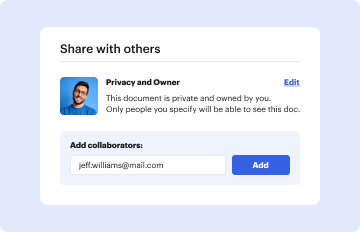
- Cloud-Based Options: Utilize cloud services like Google Drive for accessing and sharing templates with team members.
- Compatibility: Ensure templates are compatible with software tools like Microsoft Word or Excel for seamless editing and collaboration.