Definition & Meaning
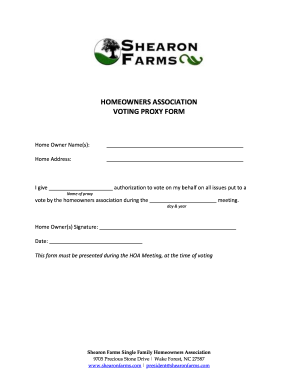
A property mandate template is a structured document used to formalize the agreement between a property owner, often called the principal, and a real estate agent or agency, known as the agent or mandate holder. The template outlines the terms under which the agent is authorized to perform certain activities on behalf of the property owner, such as selling, leasing, or managing the property. This document serves as a legal foundation for the relationship, ensuring both parties are clear about their roles, responsibilities, and expectations. The use of a template helps standardize the process, ensuring all essential aspects are covered and reducing the chances of misunderstandings or disputes.
The template typically includes key details such as the property’s address, the scope of the mandate (e.g., sale, lease, management), the agent's commission structure, the duration of the agreement, and any specific conditions or requirements. By using a property mandate template, property owners can ensure that all necessary legal and business terms are addressed, offering protection and clarity throughout the transaction process.
Key Elements of the Property Mandate Template
The property mandate template generally contains several key elements to ensure comprehensive coverage of the agreement between the principal and the agent. These elements may vary slightly depending on the specific nature of the mandate or regional legal requirements but typically include:
- Identification of Parties: Names, addresses, and contact information for both the principal and the agent.
- Property Details: A precise description of the property involved, including its address and any other relevant identifiers.
- Scope of Authority: Clearly defined activities that the agent is authorized to carry out, such as marketing, negotiation, and transaction management.
- Commission and Fees: Detailed explanation of the agent’s commission structure, including percentage or fixed amount, and any additional fees for services rendered.
- Duration and Termination: The start and end dates of the mandate, along with terms for early termination by either party.
- Responsibilities and Obligations: Specific duties that both the principal and agent are expected to fulfill during the agreement.
- Confidentiality and Disclosure: Clauses governing the sharing of information and protection of confidential details.
- Legal Clauses and Jurisdiction: Any specific legal language necessary for enforceability and the jurisdiction under which the agreement falls.
How to Use the Property Mandate Template
Utilizing a property mandate template ensures that all parties involved are clear about the agreement's terms and conditions. Here’s a step-by-step guide on how to use the template effectively:
- Download and Review the Template: Access the template from a credible source, then review it thoroughly to understand its structure and components.
- Customize the Template: Fill in unique information like parties’ names, property details, and specific terms. Ensure that all fields are accurately completed to reflect the agreement's conditions.
- Consult Legal Expertise: It’s advisable to have a legal professional review the completed template to confirm compliance with local laws and regulations.
- Negotiate Terms if Necessary: Discuss and negotiate any terms that may need adjustment with the other party before finalizing the document.
- Sign and Date the Agreement: Both parties should sign and date the completed document to formalize the agreement.
- Store the Document Safely: Keep a signed copy in a secure location, either physically or digitally, for future reference.
Legal Use of the Property Mandate Template
The legal validity of a property mandate template hinges on several critical factors. Firstly, the document must comply with relevant state and federal laws, ensuring that all legal requirements are met. This often involves consulting legal professionals during the template creation or customization process. Secondly, the document must be executed correctly by all involved parties, which includes signing and dating the document and possibly having it notarized if required by law.
Additionally, the roles, responsibilities, and expectations defined within the mandate should be clear, preventing potential disputes. Disputes that do arise can typically be resolved through mediation or the legal system, depending on the jurisdiction and the severity of the disagreement.
Who Typically Uses the Property Mandate Template
Property mandate templates are primarily utilized by individuals and entities engaged in real estate activities. The primary users include:
- Property Owners: Individuals or companies looking to sell, lease, or manage their properties. The template provides them with a structured way to delegate these tasks to professionals.
- Real Estate Agents and Agencies: Professionals who offer services related to the marketing, sale, or management of properties use these templates to formalize their authority to act on behalf of property owners.
In some cases, legal professionals might use these templates as part of larger real estate transactions or to provide legal advice related to property dealings.


Steps to Complete the Property Mandate Template
Completing a property mandate template involves several systematic steps to ensure all necessary details are captured accurately:
- Gather Necessary Information: Collect essential information about the property, both parties involved, and any specific terms or requirements.
- Fill Out the Template: Enter the gathered information into the relevant sections of the template. Ensure that data is inputted correctly and consistently throughout the document.
- Include Legal Requirements: Add any state-specific or federally mandated clauses that may not be present in the default template.
- Conduct a Review: Perform a thorough review, ideally with professional guidance, to check for accuracy, completeness, and compliance.
- Discuss with the Other Party: Share the completed draft with the other party for their review and discussion of any changes or additions.
- Finalize the Document: Once both parties agree on the terms, sign and date the document to formalize the property mandate.
State-Specific Rules for the Property Mandate Template
Different states in the U.S. might have varying rules and requirements for property mandate templates due to differences in real estate laws and regulations. Some states require specific clauses related to consumer protection or agent responsibilities. For example:
- Licensing Requirements: Some states may mandate that only licensed agents can handle certain transactions. This should be reflected in the template.
- Disclosure Obligations: Varying state laws might necessitate specific disclosure of information in the property mandate, such as property condition reports and known defects.
- Commission Limits: Some jurisdictions impose maximum limits on real estate commissions, impacting how the commission section of the template is drafted.
Property owners and agents should ensure that the mandates they use are adapted to comply with their local laws to avoid invalid agreements or potential legal challenges.
Important Terms Related to the Property Mandate Template
Several important terms are often included in a property mandate template to enhance clarity and legal standing:
- Principal: The owner of the property who grants authority to an agent.
- Agent: The party authorized by the principal to engage in specified activities concerning the property.
- Mandate Scope: The extent and limitations of the agent's authority.
- Commission: The fee paid to the agent for their services, generally expressed as a percentage of the transaction value or as a fixed fee.
- Exclusive Mandate: A type of agreement where only the assigned agent can represent the property for the duration of the mandate.
- Non-Exclusive Mandate: Allows the principal to engage multiple agents simultaneously for the same property transaction.
- Termination Clause: Details under which the mandate can be nullified before its expiry date.
Understanding these terms is crucial for anyone involved in the drafting and execution of a property mandate, as they form the backbone of the document's legal and functional relevance.