





Definition and Meaning of the B Standard Short Form of Agreement
The B Standard Short Form of Agreement Between Owner and Architect is a legal document used to outline the contractual relationship between an owner and an architect. This form is designed specifically for smaller projects that do not require extensive detail. This document defines the responsibilities and obligations of both parties, providing a clear framework for the execution of architectural services. Key components include the scope of work to be performed, timelines, payment terms, conditions for termination or suspension, and liability limitations.
Key Elements of the B Form
Understanding the key elements of the B form is essential for effective use and compliance. These elements include:
- Scope of Services: Details the architectural services the architect must provide, which typically encompass design development, construction documentation, and construction administration.
- Owner's Responsibilities: Specifies information the owner must supply, typically including project requirements and budget constraints.
- Compensation and Payment Terms: Outlines how the architect will be compensated, specifying methods such as fixed fees or hourly billing, and addresses terms for payment schedules.
- Project Schedule: Establishes key project milestones and deadlines.
- Termination or Suspension Procedures: Includes conditions under which either party can terminate or suspend the agreement, such as failure to meet obligations or unforeseen circumstances.
- Risk and Liability: Addresses limitations of liability and obligations for both parties and defines indemnification provisions.
Who Typically Uses the B Form
The B form is primarily used by small to medium-sized architectural firms and project owners engaging in minor projects. This includes:
- Independent Architects: Solo practitioners who handle smaller-scale residential or commercial projects.
- Small Architectural Firms: Firms undertaking projects that do not require comprehensive and detailed contracts.
- Property Owners: Individuals or entities managing small construction or renovation projects that involve architectural oversight.
This form is often chosen for its brevity and simplicity, making it suitable for projects with straightforward scopes and those that do not require complex negotiations.


How to Obtain the B Form
Acquiring the B Standard Short Form is straightforward and involves several sources:
- American Institute of Architects (AIA) Website: The form can be purchased and downloaded directly from the AIA website, where users can find various contract documents.
- Licensed Software: Some industry software solutions bundle the B with other architectural contracts.
- Legal Supply Stores: Offline purchase options are available at stores specializing in legal and real estate documents.
Upon purchase, ensure you access the latest edition to adhere to current standards and practices.
Steps to Complete the B Form
Completing the B form correctly requires attention to detail and understanding of each section:
- Enter Project Information: Fill in the details such as project name, address, and brief description.
- Details of Parties: Include the names and contact information for both the owner and the architect.
- Scope of Services: Clearly delineate the services to be provided by the architect.
- Project Schedule: Establish timelines and milestones.
- Compensation Details: Specify how the architect’s services will be compensated.
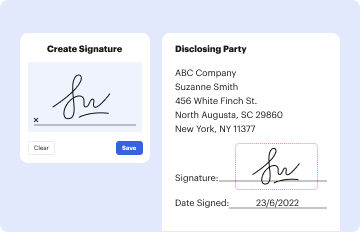
- Signatures: Obtain signatures from both parties to make the agreement legally binding.
Accurate completion ensures clarity and mitigates potential disputes.
Legal Use of the B Form
The B form is legally binding and recognized as a standard document for small architectural projects. It is crucial for compliance with:
- Professional Standards: Adheres to recognized architectural practice standards and ethics.
- State Laws: Ensures alignment with local laws, which may entail additional clauses or amendments to conform to state-specific regulations.
- Contractual Obligations: Clarifies and formalizes the legal obligations of both parties, reducing the risk of misunderstandings and disputes.
Important Terms in the B Form
Several specific legal and contractual terms are integral to the B form, helping to define responsibilities and expectations:
- Compensation Structure: How fees are calculated and paid.
- Scope of Work: The complete set of tasks and deliverables the architect is responsible for.
- Indemnification: Provisions that outline the responsibilities of each party in the event of legal claims or damages.
Understanding these terms is crucial for effective implementation and management of the agreement.
Examples of Using the B Form
Practical examples illustrate how the B form can be used effectively:
- Renovation Projects: For a homeowner renovating a small property, the form provides a succinct and comprehensive contract with an independent architect.
- Small Commercial Buildouts: A retail business owner using the form to engage an architect for interior changes to their space without intricate legal needs.
- Community-Based Projects: Local governments employing it for straightforward community structure projects, ensuring clarity and legal protection for basic architectural services.
These scenarios highlight the form's versatility and practical utility across various project types and settings.