




01. Edit your form online
Type text, add images, blackout confidential details, add comments, highlights and more.

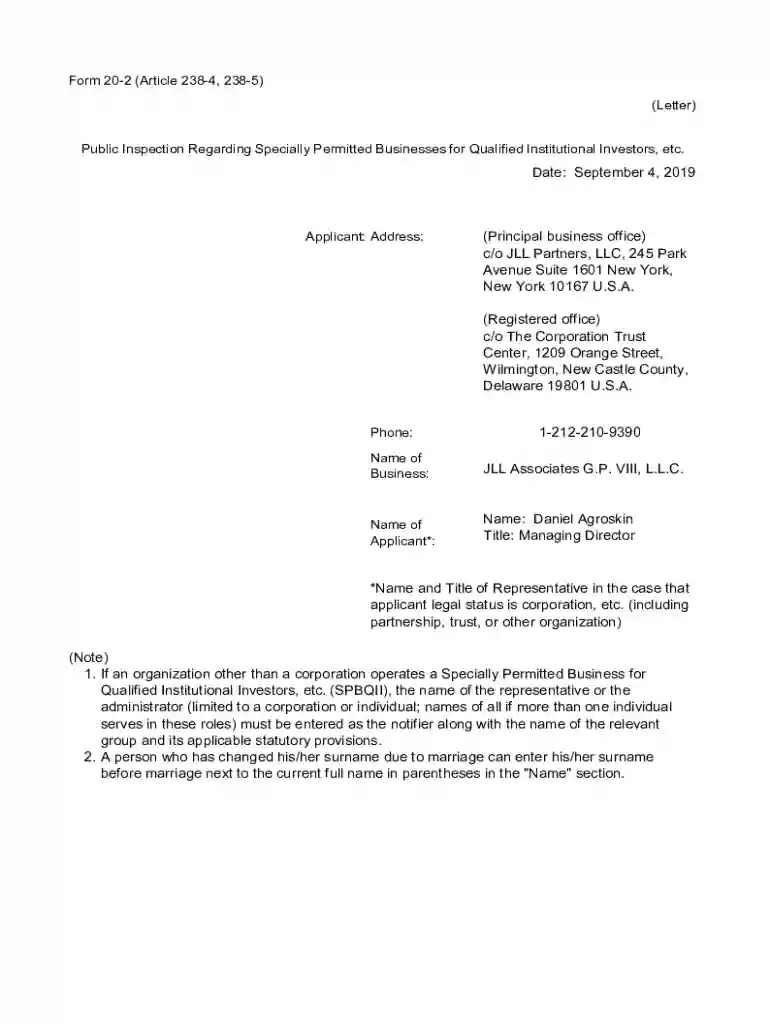
Type text, add images, blackout confidential details, add comments, highlights and more.

Draw your signature, type it, upload its image, or use your mobile device as a signature pad.

Send it via email, link, or fax. You can also download it, export it or print it out.
A Certificate of Formation is a legal document required to establish a nonprofit corporation legally. For nonprofits in the United States, this certificate is necessary to register the organization officially and can also be referred to as Articles of Incorporation. The form affirms the organization's existence in its home state, enabling it to receive tax-exempt status from the IRS if other criteria are met.
Nonprofit corporations use the Certificate of Formation to outline their purpose, governance structure, and operational guidelines. By filing this document, they can benefit from limited liability protection for directors and officers, tax advantages, and the ability to apply for public and private grant funding. This certificate serves as the foundational legal document that legitimizes the nonprofit's operations.
To obtain the Certificate of Formation for a nonprofit corporation, applicants must prepare the necessary paperwork detailing their organization and submit it to the relevant state authority, typically the Secretary of State. This process often involves the completion of an application form and payment of a filing fee. Specific requirements can vary by state, so it's essential to consult state-specific guidelines.
The Certificate of Formation is crucial for the legal recognition of a nonprofit, providing a basis for obtaining tax-exempt status under IRS guidelines. It allows nonprofits to perform their mission while enjoying protections such as limited liability. Without this certification, the organization may not engage in activities unique to nonprofits, such as applying for 501(c)(3) status.
Each state may have distinct requirements regarding the formation of a nonprofit corporation. Variations can include naming conventions, specific sections that need to be included, and filing fees. It is vital to consult state guidelines when preparing the Certificate of Formation to ensure compliance and avoid processing delays.
Failure to file the Certificate of Formation properly or maintain it can result in significant penalties, including disqualification from operating legally within the state, loss of tax-exempt status, and potential fines. Non-compliance may also impede the nonprofit's ability to secure funding and governmental support.
Platforms like DocHub can streamline the preparation and submission of the Certificate of Formation by offering tools to edit, manage, and sign documents digitally. These tools offer a secure, efficient way to handle documents, ensuring compliance and reducing the likelihood of errors in submission.
At DocHub, your data security is our priority. We follow HIPAA, SOC2, GDPR, and other standards, so you can work on your documents with confidence.
Apr 23, 2026 CSV as a strategic methodology that harmonises social and economic goals, thereby enhancing sustainability and impact. nonprofit importers,
NON-PROFIT CORPORATION This resource will help entrepreneurs understand the steps required to legally incorporate and operate in New York State.
Certificate of Formation Nonprofit Corporation Form 202. Filing Fee: $25. The filing entity being formed is a nonprofit corporation.


