Definition and Purpose of an Insurance Invoice Template
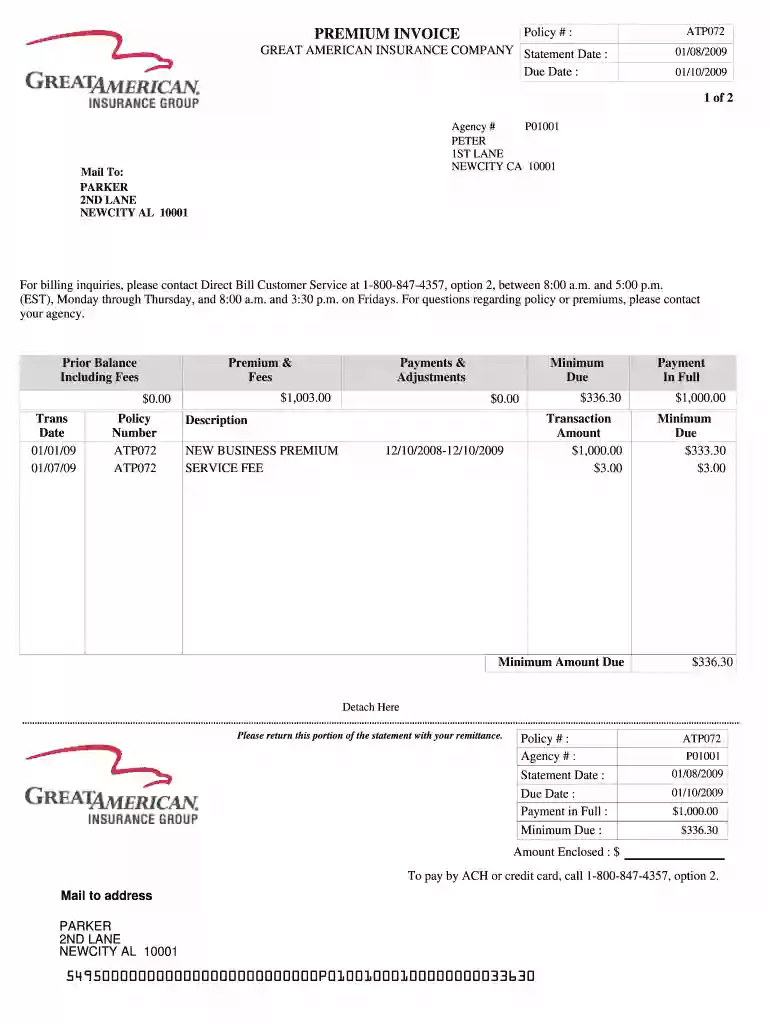
An insurance invoice template serves as a standardized document that insurance providers use to bill clients for premiums or other associated costs. It outlines the specifics of the transaction, including policy details, amounts due, payment options, and due dates. This template is essential in ensuring accuracy and consistency in invoicing, which is crucial for proper financial reporting and compliance with regulatory requirements.
Characteristics of an Insurance Invoice Template
- Standard Format: Most templates follow a consistent layout that includes the insurance company’s logo, contact information, and terms of service.
- Itemized Costs: They typically detail various charges, such as premiums, administrative fees, deductibles, and taxes.
- Clarity and Transparency: A well-structured template ensures clients understand their financial obligations, minimizing confusion and potential disputes.
Key Elements of the Insurance Invoice Template
A comprehensive insurance invoice contains several critical components that ensure clarity and completeness.
Essential Components
- Header Information: Includes the insurance company's name, logo, contact details, and the invoice number for tracking purposes.
- Policyholder Details: Specifies the name and contact information of the policyholder, ensuring proper identification.
- Policy Number and Coverage Period: Indicates the specific policy associated with the invoice and the duration for which the coverage is valid.
- Breakdown of Charges: Details each component of the premium, including base premiums, taxes, fees, and any applicable discounts.
- Payment Instructions: Clear instructions on how to submit payments, including acceptable payment methods and relevant deadlines.
Additional Considerations
- Due Dates: Clearly marking due dates is essential to help policyholders avoid late fees and maintain their coverage.
- Contact Information for Inquiries: Including a dedicated line or email address for invoicing questions can improve customer service and reduce resolution time.
Steps to Complete the Insurance Invoice Template
Completing an insurance invoice template involves several important steps to ensure accuracy and adherence to regulatory guidelines.
Procedure for Completion
- Gather Necessary Information: Collect all relevant data, including the policyholder's name, policy number, coverage details, and itemized charge information.
- Select the Appropriate Template: Choose a template that aligns with your insurance offerings and includes all essential fields.
- Input Header Information: Fill in the insurance company's name and contact information accurately.
- Detail the Charges: List all applicable charges, including premiums, administrative fees, and any relevant discounts.
- Include Due Dates and Instructions: Clearly indicate the payment due date and instructions for how payments can be made.
Examples of Errors to Avoid
- Omitting important details like policy numbers can lead to confusion.
- Incorrectly calculating totals may result in billing disputes.
- Failing to provide clear payment instructions may delay the payment process.
Importance for Users
- Ensures standardization across different clients and transactions, improving efficiency.
- Facilitates easier tracking of payments, enhancing financial management.
Examples of Using the Insurance Invoice Template
Real-world scenarios can illustrate how the insurance invoice template operates in practice and its significance in the insurance industry.
Practical Applications
- Health Insurance Billing: A hospital generates an invoice for a surgery performed and sends it to the patient's health insurer using the template. The invoice details the procedure, costs incurred, and any out-of-pocket expenses for the patient.
- Auto Insurance Payments: An auto insurance company sends out an invoice to policyholders at the beginning of each coverage period, detailing the total premium due and payment options.
- Property Insurance Claims: After a claim is processed, insurers generate invoices for payments owed to contractors for repairs covered under the policy, ensuring all parties are updated on financial obligations.
Benefits of Using an Insurance Invoice Template
- Streamlines communication between the insurer and the insured.
- Reduces the likelihood of errors through standardization.
- Enhances customer satisfaction by providing clear and concise billing information.