






Definition and Meaning of the Ag Burning Farmers Exemption Certificate
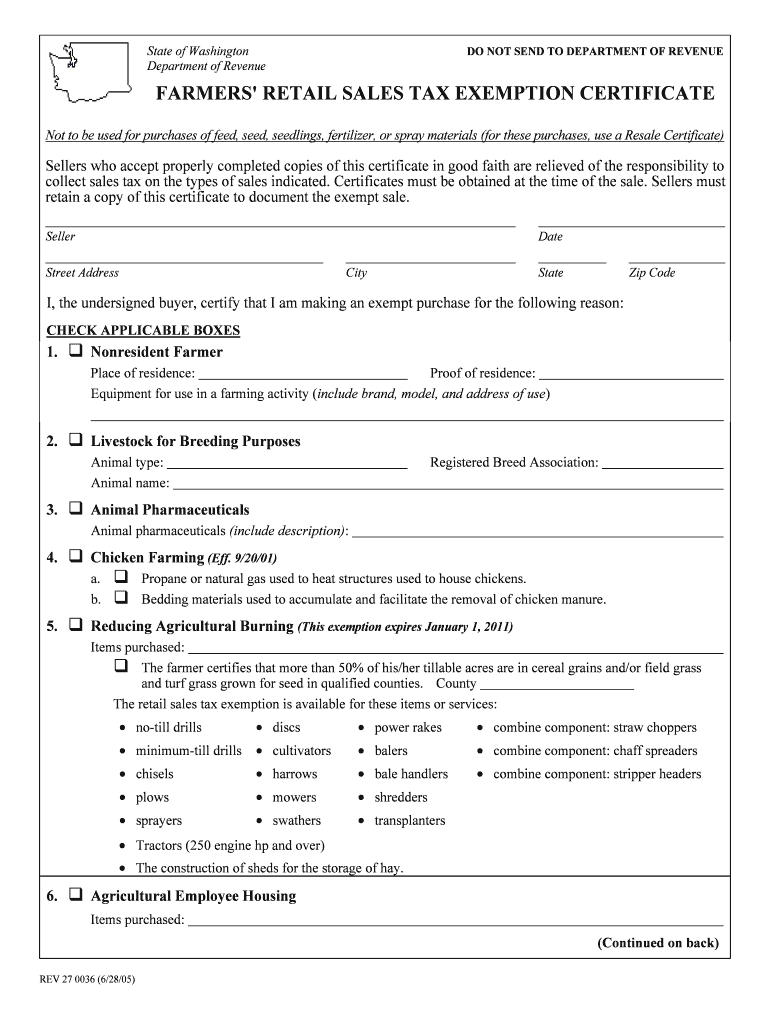
The Ag Burning Farmers Exemption Certificate is a specialized document designed for agricultural producers who manage controlled burning practices on their farms. This certificate allows eligible farmers to conduct agricultural burning under specific regulatory exemptions, facilitating the renewal and maintenance of farmland. The purpose is to streamline compliance with air quality standards and state environmental regulations, which often restrict open burning without proper authorization.
How to Use the Ag Burning Farmers Exemption Certificate
Using the Ag Burning Farmers Exemption Certificate involves adherence to clearly defined guidelines. Farmers must first ensure that their burning activities fall within the categories permitted by the certificate. Once verified, the certificate must be presented to local authorities or regulatory bodies before any burning takes place. This process ensures that all activities are documented and meet environmental compliance standards. In some instances, additional permits from local environmental agencies may be required, and the certificate serves as part of the necessary documentation.
Steps to Complete the Ag Burning Farmers Exemption Certificate
- Verify Eligibility: Confirm that your planned agricultural burning activities qualify for exemption.
- Gather Information: Collect all required data, including farm location, type of crops or material to be burned, and intended burning dates.
- Complete the Form: Fill out the certificate with accurate and detailed information to avoid processing delays.
- Submit Documentation: Provide any supporting documents or certifications needed alongside the form.
- Coordinate with Authorities: Submit the certificate to the relevant environmental or agricultural authorities for review and approval.
- Receive Confirmation: Ensure receipt of approval confirmation before proceeding with any burning activities.
Eligibility Criteria for the Ag Burning Farmers Exemption Certificate
Eligibility for the Ag Burning Farmers Exemption Certificate is typically determined by several factors, including the type of crops or vegetation involved, agricultural purpose, and adherence to safety and environmental standards. Farmers must demonstrate that their burning activities are necessary for agricultural production or land management. Eligibility may vary by state, requiring farmers to consult specific state regulations or agricultural extension services for detailed criteria.


Key Elements of the Ag Burning Farmers Exemption Certificate
- Burning Activity Description: Detailed explanation of intended burning activities and their agricultural purpose.
- Location Details: Exact location of the burning site, including maps or coordinates.
- Compliance Statement: Certification that the intended activities comply with all environmental and safety regulations.
- Signatures: Required signatures from the farmer and any relevant authorities.
- Expiration Date: Validity period indicating when the certificate allows burning activities to take place.
State-Specific Rules for the Ag Burning Farmers Exemption Certificate
State-specific regulations significantly influence the requirements for using the Ag Burning Farmers Exemption Certificate. Each state may impose unique criteria based on regional environmental conditions and agricultural practices. These rules can affect eligibility, necessary documentation, and procedural steps. It's crucial for farmers to familiarize themselves with their state's guidelines to ensure compliance and avoid penalties. Consulting local agricultural agencies can provide additional clarity on state-specific rules.
Legal Use of the Ag Burning Farmers Exemption Certificate
The legal use of the Ag Burning Farmers Exemption Certificate requires compliance with applicable federal, state, and local laws governing agricultural burning. Farmers must ensure that their activities do not contravene air quality standards or public health regulations. Legal use also involves obtaining all necessary permits and approvals before commencing any burning. Failure to comply with these legal standards can result in fines, suspension of farming privileges, or other legal actions.
Penalties for Non-Compliance with the Ag Burning Farmers Exemption Certificate
Non-compliance with the Ag Burning Farmers Exemption Certificate can lead to significant penalties. These may include fines, legal action, and revocation of burning privileges. Farmers found to be conducting unauthorized burning activities may also face heightened scrutiny from regulatory bodies in future applications. To avoid such penalties, farmers must strictly adhere to the established regulations and ensure all documentation is accurate and submitted in a timely manner.
Examples of Using the Ag Burning Farmers Exemption Certificate
In practice, a cotton farmer in Texas might use the Ag Burning Farmers Exemption Certificate to conduct controlled burns to remove crop residues post-harvest, thereby preparing fields for the next planting season. Similarly, a vineyard operator in California may apply this certificate to burn pruned grapevines, enhancing soil quality for upcoming growth cycles. Each example highlights the certificate's role in legalizing essential agricultural burning within environmental regulations.
Filing Deadlines and Important Dates for the Ag Burning Farmers Exemption Certificate
Timely submission of the Ag Burning Farmers Exemption Certificate is crucial to avoid disruptions in farm operations. Filing deadlines often depend on the specific agricultural cycle or local burning seasons defined by environmental agencies. Farmers should mark key deadlines to ensure their certificates are processed and approved well ahead of planned burning activities. Keeping a calendar of important dates can aid in managing compliance requirements efficiently.
Required Documents for the Ag Burning Farmers Exemption Certificate
To obtain the Ag Burning Farmers Exemption Certificate, farmers need to provide a set of documents, including but not limited to:
- Proof of Farm Ownership or Lease: Valid documentation confirming the farm's operational status.
- Environmental Assessments: Studies or reports detailing the potential impact of burning activities on local ecosystems.
- Safety Protocols: Demonstration of measures to mitigate fire hazards and ensure community safety.
- Prior Certificates or Permits: Any past documentation relevant to the burning activities.
Preparation of these documents in advance simplifies the application process and increases the likelihood of approval.