Definition and Purpose
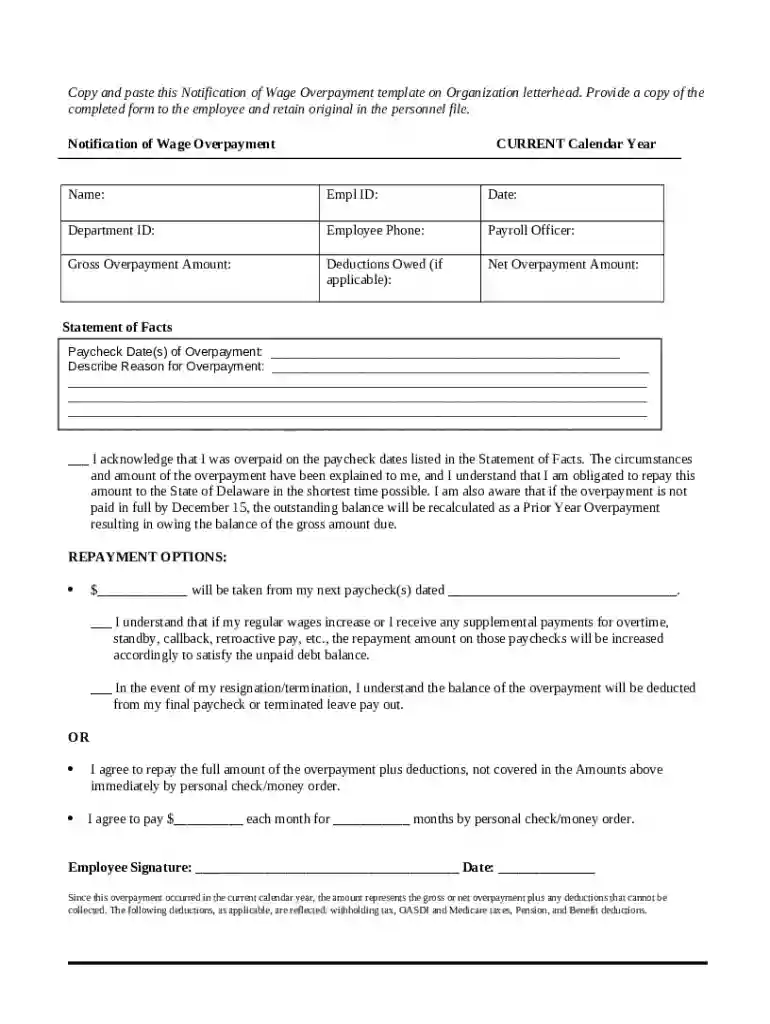
A "Letter to Inform Return of Overpayment to Client - Sample" is a structured communication tool used to notify clients about an overpayment they have received. This letter is essential for maintaining transparent communication and ensuring the client is informed about the overpayment details, which often include the amount that was overpaid, reasons for the overpayment, and instructions for resolving the situation. Such a letter is crucial for both the sender and the recipient to ensure financial reconciliations are handled clearly and professionally.
Key Elements of the Letter
The "Letter to Inform Return of Overpayment to Client" generally includes several critical components to effectively communicate the necessary details:
- Client Information: The letter should specify the client's name, address, and contact information to ensure it reaches the intended recipient.
- Overpayment Details: Clearly state the total amount that was overpaid. Including both the gross and net figures can provide additional clarity.
- Explanation of Overpayment: Provide a detailed explanation of how the overpayment occurred, referencing specific transactions or invoices.
- Instructions for Repayment: Outline the methods available for returning the overpaid amount, such as a direct refund or adjustment in future services.
- Deadline for Resolution: Specify a timeline by which the repayment or reconciliation should occur, to ensure timeliness and accountability.
- Contact Information: Provide details of a contact person or department for any queries related to the overpayment.
Legal and Compliance Considerations
Using the "Letter to Inform Return of Overpayment to Client" must adhere to legal guidelines to avoid potential disputes:
- Legal Obligation: Businesses are legally required to inform clients about overpayments as soon as they are identified to avoid misunderstandings or legal complications.
- Confidentiality Assurance: Ensure the letter maintains client confidentiality and includes any necessary disclaimers or privacy notices.
- State-Specific Laws: Be aware of any state-specific regulations that might affect the handling of financial transactions and overpayments.
How to Use the Letter Sample
When using a sample template for the letter:
- Customize Client Details: Begin by filling in the specific client information and overpayment figures.
- Tailor the Explanation: Adjust the explanation section to reflect the unique circumstances of the overpayment incident.
- Select an Appropriate Tone: Ensure the tone matches the company's communication style—professional, courteous, and clear.
- Include Payment Instructions: Add precise instructions on how the client can repay the overpaid amount, including account details or return processes.
Who Typically Uses This Letter
The "Letter to Inform Return of Overpayment to Client" is typically used by:
- Business Account Managers: Who need to manage client relationships and financial discrepancies efficiently.
- Finance Departments: Responsible for ensuring all accounts are accurate and reconciled.
- Customer Service Teams: Who may need to resolve client inquiries regarding their billing or payment details.
Scenarios and Examples of Use
Examples of situations where this letter may be applied include:
- Service Billing Errors: A client was charged incorrectly for a service and ended up overpaying.
- Duplicate Payments: The client accidentally made a double payment for the same invoice.
- Promotional Discounts: An automatic discount was not applied at the time of billing, leading to an overpayment.
Variations and Alternatives
Different scenarios may necessitate various adaptations or formats of the letter:
- Digital Communication: For electronic communication, ensure the letter format is compatible with email clients and maintains all necessary components.
- Formal Notification: A more formal tone may be required for high-value transactions or long-standing legal matters.
- Multiple Clients: In cases where a similar overpayment affects multiple clients, a template can be developed to ensure consistent communication.
Steps to Complete the Letter
To compose the "Letter to Inform Return of Overpayment to Client":
- Gather All Transaction Data: Ensure all relevant transaction details and account corrections are on hand.
- Draft the Initial Letter Using a Template: Use a reputable template to guide the structure and content of the letter.
- Review for Compliance and Accuracy: Check the letter for adherence to company policy and legal standards.
- Send the Letter: Dispatch the letter via a reliable delivery method, such as certified mail or secure email, to maintain documentation for records.
Benefits for Business Entities
Various business entities may find significant advantages in using this letter format:
- Service-Based Companies: Ensures transparent communication over service billing errors.
- Financial Institutions: Maintains client trust through orderly financial corrections.
- Retailers: Helps manage client accounts effectively by addressing transaction anomalies quickly.