




01. Edit your form online
Type text, add images, blackout confidential details, add comments, highlights and more.

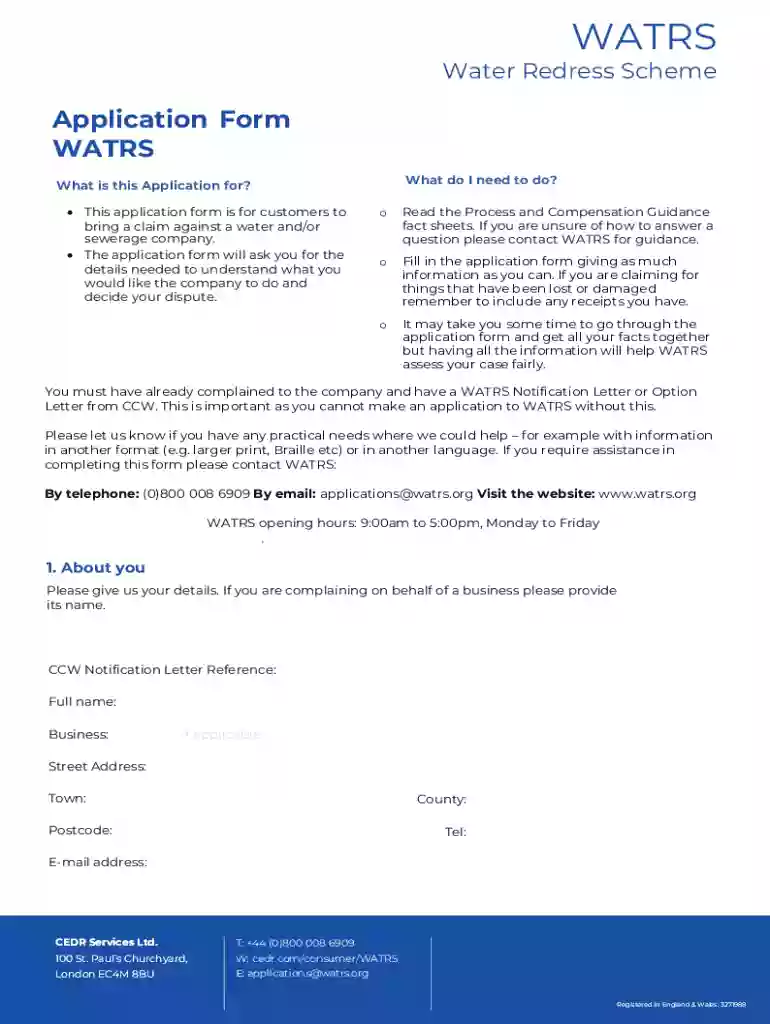
Type text, add images, blackout confidential details, add comments, highlights and more.

Draw your signature, type it, upload its image, or use your mobile device as a signature pad.

Send it via email, link, or fax. You can also download it, export it or print it out.
The Fillable Online Conciliation Scheme Application Form is a document designed for individuals or businesses looking to resolve disputes through a conciliation process. This form is typically utilized in scenarios where parties seek an amicable solution to disagreements without resorting to litigation. By filling out this form, applicants initiate the process whereby a neutral third party, known as a conciliator, facilitates communication between the parties involved to reach a mutually satisfactory agreement.
Conciliation is a voluntary, flexible, and privacy-focused alternative to dispute resolution that emphasizes understanding and cooperation between parties. The form serves as a formal request to enter this process, ensuring all relevant information is accurately documented to aid a smooth conciliation.
Utilizing the Fillable Online Conciliation Scheme Application Form involves a series of steps that ensure the submission is complete and accurate. Here are the key steps to effectively use the form:
Access the Form: Obtain the form from an authorized platform, such as a specific website dedicated to the conciliation scheme or a platform like DocHub that supports document editing and signing.
Fill Out Personal Information: Provide your name, contact details, and any relevant identification numbers to ensure proper identification in the process.
Detail the Dispute: Clearly and concisely outline the nature of the dispute, including involved parties, the timeline of events, and any attempts made to resolve the issue prior to seeking conciliation.
Attach Supportive Documents: Include any evidence, contracts, or communications that can substantiate your claim and aid the conciliator in understanding the case better.
Submit the Form: After thoroughly reviewing the completed form for accuracy, submit it according to the specified method, which could be online, by mail, or in-person, depending on the issuing body's requirements.
Completing the Fillable Online Conciliation Scheme Application Form requires careful attention to detail to ensure that all necessary components are addressed. Below are the detailed steps involved:
Gather Required Information: Before starting the form, collect all necessary details such as personal identification, details of the other party involved, and any previous correspondence about the dispute.
Enter Personal Information: Fill in your contact information, ensuring all entries are clear and accurate. This information is crucial for any follow-ups or correspondence during the conciliation process.
Provide Details of the Dispute: Use the dedicated section in the form to explain the dispute. Be thorough but concise, covering the who, what, when, where, and why of the situation.
Specify Desired Outcomes: Clearly state what you hope to achieve through conciliation, whether it's a refund, service correction, or an apology.
Attach Supporting Documents: Include any documents that support your case. This can range from signed contracts to email communications or invoices.
Review and Sign: Carefully review all entries for accuracy. Once verified, sign the document electronically, if applicable, or prepare to sign it physically.
Submit the Form: Follow the prescribed method for submission. Ensure you are aware of any submission deadlines to avoid processing delays.
The eligibility to use the Fillable Online Conciliation Scheme Application Form typically depends on several factors, such as the nature of the dispute and the parties involved. Here are some general eligibility criteria:
Nature of Dispute: The form is applicable for disputes that are appropriate for conciliation, such as consumer complaints, contractual disagreements, or employment-related issues.
Involved Parties: Both parties in the dispute should consent to the conciliation process. This mutual agreement is crucial for the process to proceed.
Jurisdictional Requirements: Some forms may have specific jurisdictional limitations, allowing only residents or businesses within certain regions to participate.
Exclusions: There might be specific exclusions for disputes that involve criminal activity, or where statutory limits are prescribed by law for certain issues.
Understanding these criteria helps streamline the application process and increases the likelihood of a successful conciliation.


The Fillable Online Conciliation Scheme Application Form contains several key elements to ensure it effectively facilitates the resolution process. Below are the core components:
Personal Information Section: Captures the details of the applicant and the opposing party to establish clear identity and communication lines.
Dispute Details Section: A dedicated space for applicants to explain the context, nature, and specifics of the dispute.
Outcome Preferences: Allows the applicant to express desired resolutions, providing the conciliator with a clear understanding of expectations.
Attachments Section: Offers space for uploading or referencing documents that substantiate the complaint or provide background information.
Consent and Signature: Includes consent statements to participate in conciliation and a section for signatures, confirming agreement to terms specified by the conciliation scheme.
These elements collectively ensure the form is comprehensive, facilitating an efficient and structured conciliation process.
Submitting the Fillable Online Conciliation Scheme Application Form often necessitates supporting documents, which play a pivotal role in the conciliation process. Here are the typical documents required:
Personal Identification: Photocopies of government-issued IDs or other identification documents to verify your identity.
Contracts or Agreements: Copies of any contracts or agreements relevant to the dispute, including any terms and conditions agreed upon initially.
Communication Records: Emails, letters, or any form of communication that depict the attempt to resolve the dispute initially.
Financial Documents: Receipts, invoices, or billing statements that substantiate financial claims or disagreements.
Ensuring these documents are complete and well-organized can significantly enhance the effectiveness of the conciliation.
Understanding the legal framework around the Fillable Online Conciliation Scheme Application Form is crucial for ensuring compliance. Here's what to consider:
Adherence to Laws: The form should comply with any legal requirements regarding dispute resolution and data protection laws in the U.S., ensuring all processes are above board.
Binding Agreements: Any resolutions reached during conciliation may be legally binding. Participants should understand potential commitments before entering the process.
Confidentiality Protocols: Legal protocols often protect the confidentiality of the conciliation process, ensuring information shared remains private and is not used outside the context of the dispute resolution.
These considerations are vital for maintaining a legally sound and ethically compliant conciliation process.
Selecting the correct submission method for the Fillable Online Conciliation Scheme Application Form is crucial for ensuring timely processing and adherence to guidelines. Each method has distinct advantages:
Efficiency: Submitting online typically offers the fastest processing times, with immediate confirmation of receipt.
Accessibility: Available at all hours, online submission allows applicants to complete and submit forms at their convenience.
Document Uploads: Online platforms often support multiple uploads of attachments, streamlining document submission.
Fallback Option: Ideal for applicants without reliable internet access or preference for physical document handling.
Tracking: Use registered mail services to track delivery, ensuring form receipt by the appropriate authority.
Direct Confirmation: Offers a face-to-face interaction, providing immediate confirmation and the ability for direct queries or clarifications.
Personal Assurance: Personal delivery can assure accuracy in reception and provide peace of mind about process initiation.
Considering the most suitable method based on one’s situation and technological access can enhance the submission’s overall effectiveness and efficiency.
We've got more versions of the Fillable Online Conciliation Scheme Application Form form. Select the right Fillable Online Conciliation Scheme Application Form version from the list and start editing it straight away!
At DocHub, your data security is our priority. We follow HIPAA, SOC2, GDPR, and other standards, so you can work on your documents with confidence.


