




Definition and Meaning
A sample flood insurance policy is a reference document under the National Flood Insurance Program (NFIP) that outlines the standard terms and coverage typically included in actual flood insurance policies. Its primary purpose is to offer guidance on how your property can be protected from flood damages. This sample contains sections elaborating on coverage details, policy limits, exclusions, and specific conditions under which claims can be made. It also highlights the necessity for compliance with federal regulations, providing clear responsibilities for both insurer and insured. Familiarity with this sample helps property owners anticipate what to expect in a real-life flood insurance policy.
How to Use the Sample Flood Insurance Policy
Using a sample flood insurance policy effectively involves understanding its structure and applying it to your specific needs. Here's how:
-
Evaluate Coverage Needs:
- Review the sections on covered properties versus exclusions to ensure the standard policy aligns with your property specifics.
- Understand the types of flood damage covered, such as inundation-induced structural damage or foundational shifts.
-
Identify Claims Procedures:
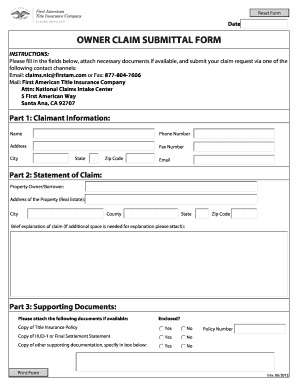
- Familiarize yourself with the steps required to file a claim, should you experience flood damage.
- Note the documentation needed and the procedural timelines involved.
-
Assess Compliance Requirements:
- Check any federal or state compliance mandates that the policy highlights.
- Ensure that your property adheres to these requirements to avoid claim denials.
Being thorough with this sample allows property owners to personalize and optimize their own flood insurance policies.
Steps to Complete the Sample Flood Insurance Policy
Completing the sample flood insurance policy involves a systematic approach:
-
Gather Necessary Information:
- Start with collecting property details, such as location, value, and flood zone classification.
- Include personal identification and contact information.
-
Review Policy Coverage Sections:
- Examine various coverage limits, and match them to your property’s assessed risk.
- Adjust any hypothetical coverage scenarios to explore different premium levels and coverage outcomes.
-
Fill Out Sections on Policy Exclusions:
- Identify any clauses that apply to your location or building type that exclude coverage.
- Consider example scenarios to gauge how exclusions affect potential claims.
-
Finalize Claims Procedures:
- Complete the segment dealing with loss reporting, and practice filling out forms for faster claims in an actual event.
This process prepares you to efficiently handle real policy applications and ensure all relevant data and procedures are solidified.
Key Elements of the Sample Flood Insurance Policy
Understanding the key elements of a sample flood insurance policy is crucial for comprehensive coverage:
-
Coverage Details:
- Specifically details the conditions under which floods and water-related damage are covered.
- Defines properties covered under the policy, both residential and commercial.
-
Exclusions:
- Enumerates situations that aren't covered, including neglect, intentional damage, or certain types of flood risks.
-
Claims Process:
- Outlines the necessary steps and documentation required to file a claim.
- Includes the timeline for filing claims and reporting losses.
-
Loss Settlement:
- Explains how damages are appraised and compensated, factoring in depreciation and replacement costs.
These elements are fundamental in assessing the effectiveness and reliability of flood insurance coverage.
Who Typically Uses the Sample Flood Insurance Policy
The sample flood insurance policy serves multiple user demographics:
-
Homeowners and Renters:
- Individuals residing in flood-prone areas use the sample to understand coverage options.
-
Insurance Agents and Brokers:
- Professionals reference the sample to tailor individual insurance packages for clients.
-
Real Estate Professionals:
- Use the sample policy to advise clients on flood risks and appropriate insurance strategies during property transactions.
-
Legal Advisors:
- Offer guidance on policy interpretation and assist clients in compliance and claims resolution.
Such diverse use underscores the sample's utility in preparing various stakeholders for effective flood insurance management.

Important Terms Related to Flood Insurance Policies
Familiarity with key terms in a flood insurance policy is essential for proper comprehension:
-
Flood Zone:
- Geographic areas classified based on flood risk; impacts insurance premiums and availability.
-
Deductible:
- The amount policyholders pay out-of-pocket before insurance coverage commences.
-
Replacement Cost:
- The cost to replace damaged property without accounting for depreciation.
-
Actual Cash Value:
- The replacement cost minus depreciation; often considered for claims settlements.
-
Policy Limit:
- Maximum amount payable under the policy for a covered loss.
These terms are critical for grasping policy nuances and ensuring accurate coverage understanding.
Legal Use of the Sample Flood Insurance Policy
Legal use of a sample flood insurance policy involves aligning with U.S. legal requirements:
-
Federal Compliance:
- Ensures policies meet standards set by the NFIP and other regulatory bodies.
-
Contractual Obligations:
- Clarifies legal responsibilities of both insurers and policyholders.
-
Dispute Resolution:
- Outlines the legal process for handling disagreements over policy terms or claims.
These legal aspects are pivotal for policyholders and insurers alike, providing a framework for fair and lawful conduct in all matters relating to flood insurance.
State-Specific Rules for Flood Insurance Policies
While the NFIP provides a federal framework, states may have additional rules:
-
Regional Coverage Variations:
- States in high-risk flood areas may have specialized mandates regarding coverage requirements.
-
Unique Exclusion Clauses:
- Certain state laws might influence specific policy exclusions or coverage extensions.
-
Regulatory Compliance:
- Differences in state regulations necessitate awareness of local insurance laws when drafting or adjusting policies.
Understanding these state-specific rules helps ensure flood insurance policies are compliant at both the federal and state levels, preventing potential issues during claims.