





Definition and Meaning of OCR Document
The term "OCR Document" refers to a digital file that has been processed through Optical Character Recognition (OCR) technology. This technology converts different types of documents, such as scanned paper documents, PDFs, or images captured by a digital camera, into editable and searchable data. In essence, OCR transforms static images of text into machine-encoded text, making it possible to use and manipulate the information digitally. This process is integral in minimizing the need for manual data entry and enabling automated workflows.
OCR technology is particularly useful for digitizing printed texts so that they can be electronically edited, searched, and digitally stored more compactly. It allows for greater efficiency in document management systems by extracting text information and making it usable for business process management, data mining, and more.
How to Use the OCR Document on DocHub
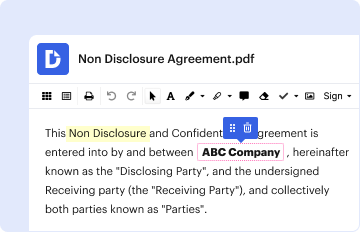
Using OCR functionality on DocHub is straightforward, enhancing the way users interact with their documents. To begin, users must import a scanned document or an image file into the platform. DocHub supports a range of file formats, ensuring compatibility with most document types.
- Upload or Import: Users can import files directly from their computer or connected cloud storage services such as Google Drive or Dropbox.
- Select OCR Function: Once the document is uploaded, DocHub's OCR tool can be accessed directly from the document viewer interface.
- Process Document: Initiate the OCR process to convert the scanned image into editable text.
- Edit and Save: Once OCR is completed, users can edit the document as needed. After finalizing the edits, the changes can be saved and the document exported or shared.
This process is especially beneficial for users needing to extract data from printed documents quickly and efficiently.
Steps to Complete the OCR Document
Completing an OCR-enabled document within DocHub involves several clear steps to ensure accuracy and usability:
- Prepare Document: Begin by ensuring that the document you wish to process is clear and legible. Higher quality scans result in better OCR accuracy.
- Upload Document: Import the document into DocHub through compatible channels like direct upload or cloud imports.
- OCR Processing: Activate the OCR feature that scans the document to recognize and convert text.
- Review Text: After conversion, review the document for any recognition errors or inaccuracies. Manually adjust the text if necessary.
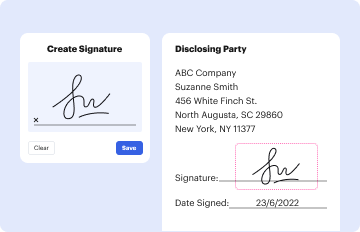
- Edit and Annotate: Use DocHub’s editing tools to annotate or edit the document further, including adding additional text, images, or comments.
- Finalize and Save: Once edits are complete, save the changes to your document and choose your preferred method for exporting or sharing the file.
This step-by-step approach ensures that users can efficiently transition scanned documents into editable formats.
Key Elements of the OCR Document
OCR Documents possess several critical elements that define their functionality and utility:
- Text Recognition: The core function that allows the conversion of images or scanned documents into editable text.
- Searchable Content: Once processed, OCR documents can be searched for specific terms or data points without needing to review the entire document manually.
- Editable Format: Allows users to amend or expand upon the original document content.
- Metadata: Extracted information from documents can include timestamps, file origin, and user data, enhancing document management capabilities.
- Compatibility: OCR machines must ensure that the text is readable in various applications, whether through a word processor or a document management system.
Recognizing these elements helps users better utilize OCR features for comprehensive document management.
Examples of Using the OCR Document
OCR technology is applicable across various scenarios, offering significant utility in numerous fields:
- Legal Firms: OCR is employed to digitize volumes of legal documents, enabling quicker searches for specific case references or legislative texts.
- Healthcare: Hospitals and clinics can transition from paper-based systems to digital ones, improving patient record management through OCR.
- Education: Academic institutions use OCR to archive educational materials, making them available for research and study with search and edit capabilities.
- Business Operations: Companies can automate invoice processing and other paperwork, leveraging OCR to manage incoming data more effectively.
These examples demonstrate the wide-ranging applicability of OCR technology across different sectors.
Why Should You Use OCR Documents
The benefits of integrating OCR technology into document management processes are vast, offering improvements in efficiency and accessibility:
- Efficiency: Reduces the need for manual data entry, saving time and reducing human error.
- Accessibility: Provides greater access to document content, allowing for easier navigation and collaboration.
- Cost-Effective: Minimizes the need for physical storage and reduces resource expenditure on document handling.
- Scalability: Suitable for scaling up operations, particularly in data-heavy industries where document volume is substantial.
Understanding these advantages aids organizations and individuals in justifying the use of OCR systems within their workflow.
Digital vs. Paper Versions
Evaluating the transition from paper to digital OCR documents highlights several comparative aspects:
- Storage and Space: Digital documents require significantly less physical space and can be stored conveniently in cloud systems.
- Security: Digital documents can be encrypted and secured more effectively than paper documents, offering higher data protection.
- Access: Digital documents can be accessed and shared instantly, regardless of geographic location, which is a limitation for physical paper.
- Eco-friendly: Reducing paper usage contributes to environmental sustainability efforts.
Opting for digital OCR solutions often results in enhanced operational efficiencies and environmental benefits.
Software Compatibility for OCR Documents
For effective utilization, OCR documents rely on software compatibility, ensuring seamless functionality across various platforms:
- File Format Support: Most OCR software is designed to handle a variety of file formats such as PDF, JPEG, PNG, and TIFF, enhancing document flexibility.
- Integration: Successful OCR software, like that in DocHub, integrates smoothly with cloud services and other digital platforms, such as Google Workspace.
- Multi-Device Access: Compatibility across desktop and mobile devices allows users to access and edit documents from any location, improving workflow continuity.
Ensuring software compatibility is vital for maximizing the potential of OCR technology in document processing.