



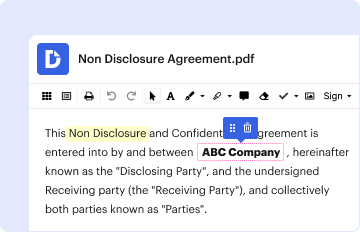
01. Edit your virginia resale certificate online
Type text, add images, blackout confidential details, add comments, highlights and more.

Type text, add images, blackout confidential details, add comments, highlights and more.
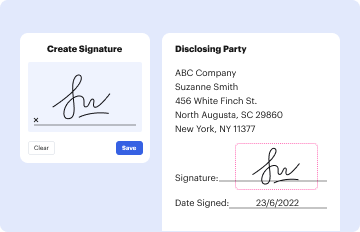
Draw your signature, type it, upload its image, or use your mobile device as a signature pad.

Send resale certificate virginia via email, link, or fax. You can also download it, export it or print it out.
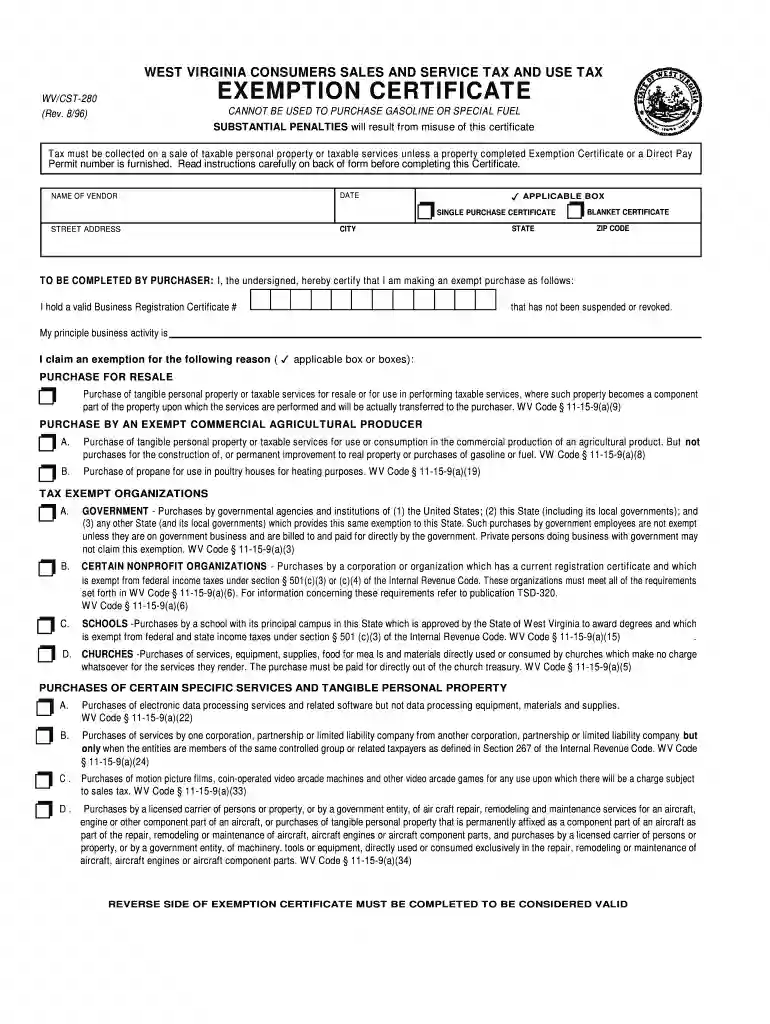
The Virginia reseller certificate is a vital document that allows businesses to purchase goods tax-exempt when those goods are intended for resale. This certificate acts as proof of the purchaser’s status as a retailer, meaning that they will collect sales tax when selling those goods to end customers. The Virginia Department of Taxation issues this certificate, and it is essential for businesses to understand its purpose to avoid unnecessary taxes and penalties.
This certificate serves multiple purposes:
Retailers across various sectors utilize the Virginia reseller certificate, including merchants in clothing, electronics, and various other industries. Without this certificate, retailers would be liable for paying sales tax at the point of purchase, which could significantly increase operational costs.
Using the Virginia reseller certificate correctly is crucial for maintaining compliance with state tax regulations. When a retailer wishes to purchase items for resale, they must present the reseller certificate to their supplier. This action indicates that the seller is exempt from sales tax due to the intention of reselling those goods.
By adhering to these steps, you can ensure that you are compliant with regulations and take full advantage of the benefits of the reseller certificate.
To obtain a Virginia reseller certificate, a business must follow the specific application process outlined by the state. This process is straightforward but requires attention to detail to ensure compliance and accuracy.
Businesses can typically receive confirmation of their application status once processed, ensuring that they can begin using the reseller certificate promptly.
Completing the Virginia reseller certificate correctly is essential to maintain its validity. Each section of the form must be accurately filled in to avoid any issues during transactions.
Once filled out, keep copies for your records and provide the original to your supplier during transactions.
Understanding specific terminology related to the Virginia reseller certificate is essential for businesses seeking compliance with state tax laws. Familiarity with these terms helps ensure correct usage and interpretation of the reseller certificate.
Being well-versed in these terms will facilitate smoother transactions and reduce the likelihood of misunderstandings regarding tax obligations.
Practical examples help illustrate how businesses effectively utilize the Virginia reseller certificate to streamline their purchasing processes and maintain compliance with tax laws.
These examples illustrate the versatility and necessity of the Virginia reseller certificate in various business contexts, demonstrating its importance in managing operating expenses and compliance effectively.
At DocHub, your data security is our priority. We follow HIPAA, SOC2, GDPR, and other standards, so you can work on your documents with confidence.
Feb 28, 2026 Indicate by check mark if the registrant is a well-known seasoned issuer, as defined in Rule 405 of the Securities Act. ☒ Yes ☐ No.Read more
The exemption certificate provides that the organization may purchase tangible personal property without paying the Virginia Retail Sales and Use tax. ItRead more
This Certificate of Exemption MAY NOT BE USED TO PURCHASE CIGARETTES FOR RESALE after January 1, 2018. To: Date: Name of Supplier. Number and Street orRead more


