
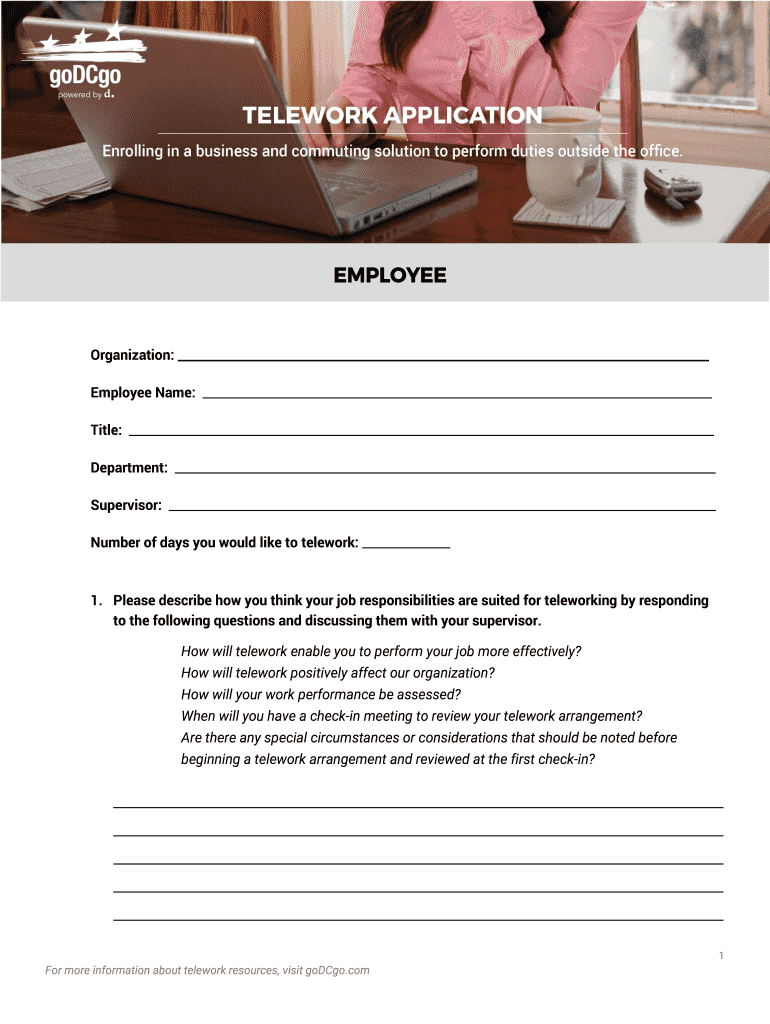







Definition & Meaning
The Managed Return to Work Program (MRTW) is a strategic initiative typically administered by a department within an organization to facilitate an employee's return to work after a period of absence, usually due to illness or injury. This program is structured to coordinate with healthcare providers, supervisors, and human resources to create a personalized plan that supports an effective transition back to the workplace. The primary goal is to ensure that the returning employee can resume their duties in a manner that is safe and conducive to their health needs.
Key Objectives of MRTW
- Health and Safety: Emphasize the well-being of the returning employee.
- Productivity Restoration: Facilitate a smooth transition, minimizing disruptions.
- Reduced Work Absence: Encourage timely returns to work through supportive measures.
- Personalized Plans: Tailor the approach to fit individual medical and personal needs.
How to Use the Managed Return to Work Program MRTW
Utilizing the MRTW involves a series of coordinated steps that are designed to streamline the return process. Here's a breakdown of the general approach:
- Assessment: Evaluate the employee's condition and readiness to return.
- Collaborative Planning: Engage the employee, healthcare providers, and supervisors in plan development.
- Customization: Adapt work duties and environments to align with the employee’s current abilities.
- Monitoring and Feedback: Regularly check the employee’s progress and adjust the plan as necessary.
Step-by-Step Usage Guidelines
- Initiate Contact: Notify HR or relevant department upon readiness to return.
- Complete Required Forms: Fill out all necessary documentation for review.
- Attend Meetings: Discuss the MRTW plan with involved parties.
- Follow the Plan: Adhere to recommended schedules and adjustments.
- Feedback and Adjustments: Communicate openly about progress or issues.
Steps to Complete the Managed Return to Work Program MRTW
Completing the MRTW involves methodical documentation and adherence to established guidelines. Employees and employers should collaboratively undertake the following:
- Initial Evaluation: A health professional assesses the employee’s capabilities and limitations.
- Customized Work Plan: Develop a return to work schedule with input from the employee.
- Form Submission: Ensure all forms related to the program are complete and submitted to HR.
- Job Modifications: Implement necessary workplace adjustments.
- Progress Review: Conduct follow-up assessments to ensure ongoing success and plan efficacy.
Detailed Step Breakdown
- Health Assessment: Authenticated medical advice and certification on work capabilities.
- Workplaceability Analysis: Determine necessary accommodations.
- Implementation Phase: Schedule adaptations pushed into action.
- Regular Updates: Continued documentation and adjustments as per feedback.
Key Elements of the Managed Return to Work Program MRTW
The MRTW program involves various critical components, which ensure a comprehensive approach to managing an employee’s return:
- Individualized Plans: Tailor actions and strategies according to specific medical needs.
- Supervisory Support: Involvement of management in the implementation process.
- Progressive Work Increase: Gradual increase in work responsibilities.
- Rehabilitation Coordination: Integrates rehabilitation services when necessary.
Essential Components
- Communication Protocols: Maintain clear lines between employee and employer.
- Documentation Requirements: Maintain thorough records of progress and adjustments.
- Stakeholder Involvement: Collaboration across organization roles and external providers.
Who Typically Uses the Managed Return to Work Program MRTW
MRTW programs are primarily utilized by employees who have been on leave due to health issues and require structured reintegration into work. However, the broader application extends to:
- Employers: To ensure legal compliance and support workforce productivity.
- Human Resources: For managing and implementing policies.
- Healthcare Providers: Offering required medical clearance and advice.


Typical Users Include:
- Employees Recovering from Injury: Those unable to perform previous duties without modification.
- Organizations in Healthcare & Industry: Usually where employee absence has significant operational impacts.
Eligibility Criteria
Eligibility for the MRTW program often depends on several factors related to the employee’s medical status and work history. Typical criteria include:
- Medical Certification: Documentation confirming readiness to resume duties.
- Employment Status: Typically applicable to permanent employees.
- Absence Duration: Often triggered by a minimum length of absence.

Criteria Detailing
- Proof of Condition: Valid doctor's note or equivalent detailing condition.
- Return Timelines: Adherence to expected return schedules in compliance with organization policies.
- Insurance Coverage Terms: Often requires validation of applicable policy coverage.
Application Process & Approval Time
Understanding the procedural timeline is crucial for successful integration. The application process involves:
- Submission of Medical and Personal Details: Provide necessary documentation regarding health status.
- Review and Approval: HR department reviews submitted forms and arranges meetings if needed.
- Plan Finalization: Establish concrete dates and actions.
Approval Specifics
- Typical Timeframe: Applications usually processed within two weeks.
- Additional Requirements: Occasionally, further information may be requested, extending review periods.
State-Specific Rules for the Managed Return to Work Program MRTW
State laws and regulations can influence how MRTW programs are structured and enforced. It’s essential to consider:
- Compliance Variations: Differences in state worker's compensation laws.
- Program Adjustments: Tailor programs to meet local legal requirements.
State Regulation Impacts
- Workplace Safety Mandates: Adhere to state-specific safety protocols.
- Employee Rights: Ensure alignment with state provisions concerning employee rights and protections.
By incorporating state-specific elements into MRTW programs, organizations can ensure legal compliance and enhance the efficiency of their return-to-work initiatives.




