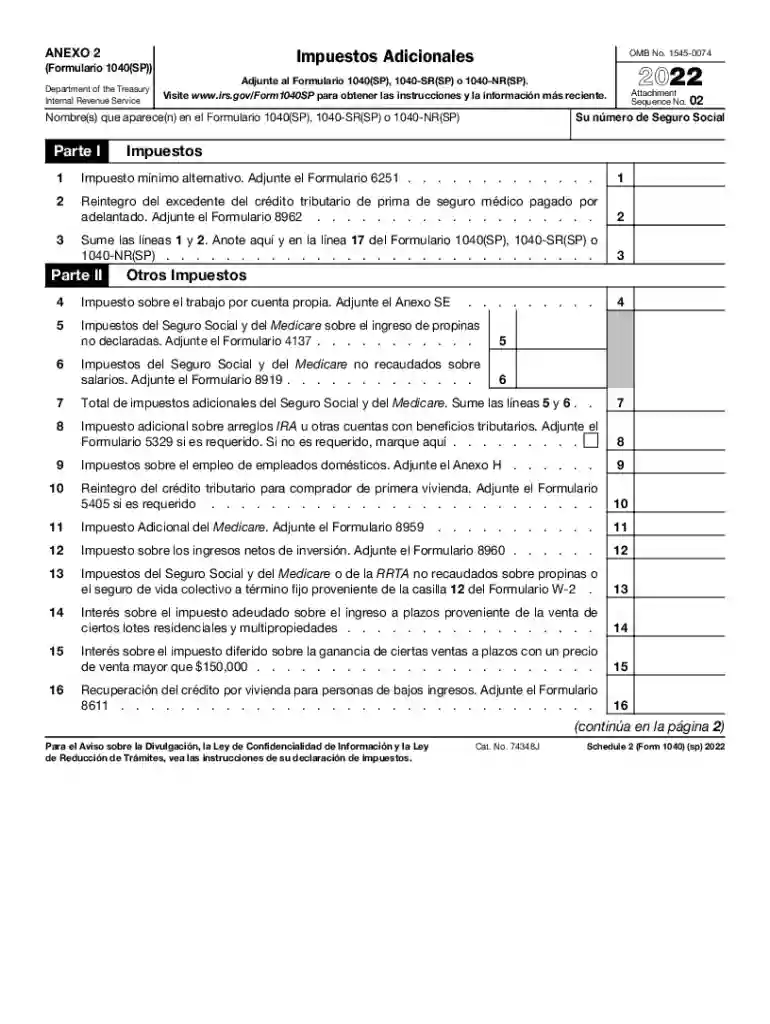
Definition and Meaning
The home treasury financial-sanctionsfaqs1040 U.S. Department of the Treasury serves as a resource for understanding financial sanctions related to tax reporting in the United States. This guide helps individuals and businesses comprehend the specific sanctions that the Department of the Treasury imposes, which directly impacts the reporting and payment of taxes related to foreign financial dealings.
Purpose of Financial Sanctions
- Provide clear guidelines to ensure compliance with U.S. tax laws.
- Prevent illegal financial activities, such as money laundering or tax evasion.
- Ensure transparency and accountability in international financial transactions.
Key Components
- Sanctions Lists: Disclosures about entities or individuals subject to sanctions.
- Compliance Obligations: Requirements for taxpayers involved in international transactions.
- Penalties: Specific consequences for non-compliance or inaccurate reporting.
How to Use the Form
Effectively utilizing the home treasury financial-sanctionsfaqs1040 requires an understanding of both the structure and the purpose of the document.
Steps to Navigate
- Identify Relevant Sections: Determine which sections of the sanctions apply to your financial situation.
- Gather Information: Compile necessary financial data and documentation related to international transactions.
- Review Penalties: Understand the repercussions for failing to comply with listed sanctions.
Practical Application
- For individuals with foreign investments, utilize the form to clarify reporting obligations.
- Businesses engaging in international trade can use the document to ensure lawful financial practices.
Key Elements of the Form
Understanding the critical elements within the form aids in proper completion and compliance.
Core Information
- Taxpayer Identification: Essential for linking financial activities to the correct entity.
- Sanctions Compliance: Detailed sections on how to meet compliance standards.
Specific Fields to Complete
- Disclosure Section: Where financial interests must be reported.
- Compliance Checklist: Ensures all necessary actions are executed for legal adherence.
Steps to Complete the Form
Completing the home treasury financial-sanctionsfaqs1040 involves multiple methodical steps and attention to detail.
Detailed Procedure
- Preparation: Gather all pertinent documents and financial statements.
- Initial Review: Go through each section of the form to understand requirements.
- Completion: Fill out the form in stages, ensuring each field is accurately filled.
Final Steps
- Validate completed sections with cross-references to guidelines.
- Submit the form through the required channel, respecting submission deadlines.
Examples of Using the Form
Illustrative cases demonstrate the varied scenarios in which the form is applicable.
Case Studies
- Self-employed Individuals: How the form impacts U.S.-based freelancers with foreign clients.
- Small Businesses: Application of sanctions guidance for local businesses expanding internationally.
Specific Scenarios
- A corporation dealing with overseas partners will focus on international transaction disclosures.
- Tax consultants use this form to advise clients on compliance strategies.
Primary Users
- Individuals: U.S. citizens and residents with international financial interests.
- Businesses: Companies in the U.S. engaging in cross-border commerce.
Secondary Users
- Accountants and tax advisors who prepare and review tax documents.
- Government agencies overseeing compliance with financial regulations.
Legal Use of the Form
Compliance with legal guidelines ensures the form's validity and effectiveness.
Legal Obligations
- Adherence to the U.S. Treasury guidelines to avoid criminal charges.
- Ensure all declarations align with both domestic and international laws.
Practical Considerations
- Implementing correct procedures for form submission to avoid legal complications.
- Understanding the legal framework that governs the sanctions.
Form Submission Methods
Different methods exist for submitting the home treasury financial-sanctionsfaqs1040, each with specific requirements.
Online Submission
- Preferred for quick processing and confirmation receipt.
- Integration with tax software enhances accuracy and efficiency.
Traditional Methods
- Mail: Offers a physical paper trail but may involve longer processing times.
- In-Person: Direct submission ensures immediate input but may require appointments.
Software Compatibility
Utilizing digital platforms can streamline the completion of the form.
Compatible Software
- TurboTax and QuickBooks: Facilitate smooth data import and form completion.
- DocHub: Enables document editing, collaboration, and e-signature functionalities.
Benefits of Digital Completeness
- Reduces human error by automating calculations.
- Simple and clear instructions guide users through the process.
This extensive structure and content aim to cover the form's multiple aspects, assisting users in navigating and comprehending the home treasury financial-sanctionsfaqs1040 effectively.