
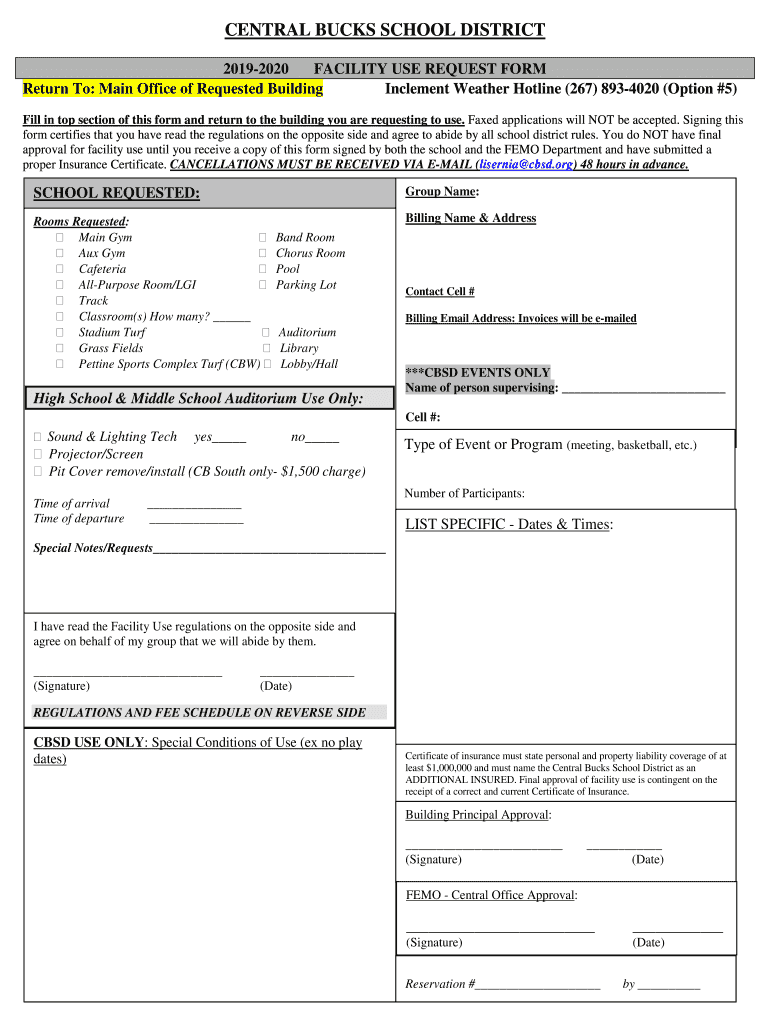







Definition and Purpose of the Return To: Main Office of Requested Building Form
The "Return To: Main Office of Requested Building" form is a crucial document used predominantly by organizations to ensure organized communication and transactions related to the usage or management of specific buildings. This form typically serves as a record or application specifying where documents or requests should be returned after processing, highlighting its importance in maintaining a streamlined administrative workflow. It caters to the need for clarifying the responsible office or department in a building tasked with handling particular requests or documents.
- Administration Clarity: Provides detailed information about which main office in a specific building is responsible for managing and processing requests.
- Record Keeping: Ensures that there is documentation for all transactions or communication related to the use or administration of the building facilities.
- Tracking and Organization: Helps in tracking the flow of documentation and requests, ensuring they reach the correct administrative department.
How to Use the Return To: Main Office of Requested Building Form
Utilizing the "Return To: Main Office of Requested Building" form correctly is essential for ensuring efficient workflow and communication. Here are detailed steps to guide you through the process:
- Identify the Purpose of the Request: Determine what type of request or document needs to be processed and which department should receive it.
- Complete the Relevant Information: Fill in your details, including your name, contact information, and the nature of the request.
- Specify the Destination Office: Clearly indicate which main office the document should be returned to, ensuring it aligns with the building where the initial request originated.
- Submit the Form Appropriately: Decide whether the form should be submitted online, via mail, or in person based on the guidelines provided by the institution.
- Follow Up: Keep a copy of the completed form for your records and follow up with the destination office to confirm receipt and ongoing processing.
Steps to Complete the Return To: Main Office of Requested Building Form
To ensure accurate and proper completion of the "Return To: Main Office of Requested Building" form, follow these step-by-step instructions:
- Gather Necessary Information: Collect all relevant data such as personal identification, request details, and office information.
- Fill in Personal Details: Enter your full name, address, and contact information in the designated sections.
- Detail the Request or Document: Provide a concise yet thorough description of the request or document in question, ensuring clarity in purpose.
- Designate the Return Destination: Indicate the specific main office within the building that should receive the returned document or request.
- Review and Verify: Double-check all entered information for accuracy, ensuring that the form is complete and error-free.
- Submit: Depending on instructions, deliver the form through the chosen method (online, mailing, or physical drop-off).
Key Elements of the Return To: Main Office of Requested Building Form
Understanding the components of the form is crucial for proper completion. Here are the primary elements typically found on the form:
- Applicant Information: Name, contact details, and affiliation with the organization or institution.
- Office Details: Specific information about the main office, including its location within the building.
- Request Description: A section for detailing the nature and purpose of the request or document.
- Instruction for Return: Clear directions outlining how and where the form or document should be returned.
- Signature and Date: A space for the requesting party to sign and date the form, verifying its legitimacy and timeliness.
Who Typically Uses the Return To: Main Office of Requested Building Form
This form is utilized primarily by individuals and entities within an organization that need to submit and track requests or documentation to specific departments. Typical users include:
- Administrative Staff: For managing and processing internal requests efficiently.
- Facility Managers: To supervise and coordinate requests related to building operations.
- Event Coordinators: When organizing events within the facilities, ensuring proper approvals and documentation are in place.
- External Contractors: When requiring temporary usage of facilities for contracted work, ensuring they comply with building policies.


Legal Use and Compliance for the Return To: Main Office of Requested Building Form
Compliance with legal standards is crucial when using forms related to building requests and documentation, ensuring adherence to applicable laws and organizational policies.
- Data Privacy: Ensures that all personal information collected is protected under privacy laws and organizational guidelines.
- Documentation and Record Keeping: Legally binding documentation is kept for auditing and verification purposes.
- Authorization and Approvals: Legal compliance checks ensure that all requests and forms are authorized and approved by the necessary departments.
Examples of Using the Return To: Main Office of Requested Building Form
Using the form correctly can significantly impact administrative efficiency. Here are some scenarios:
- Facility Rentals: An external event planner submits a request to use the auditorium and specifies that all documents should be returned to the main office of the Events Department.
- Maintenance Requests: A faculty member completes a form for maintenance work, directing it to the office responsible for building maintenance coordination.
- Room Bookings: A student organization files a form to book a meeting room for a conference, indicating that the form should be returned to their advisor’s office for final review.
Steps to Submit the Return To: Main Office of Requested Building Form
The submission process for the form may vary based on institutional protocols. Here are common methods:
- Online Portal: Submit through an institutional website where digital submissions are accepted.
- Mail: Forms can be sent to the designated office address via postal service for areas requiring physical documentation.
- In-Person: Physically dropping off the form at the main office ensures immediate receipt and handling by the concerned department.




