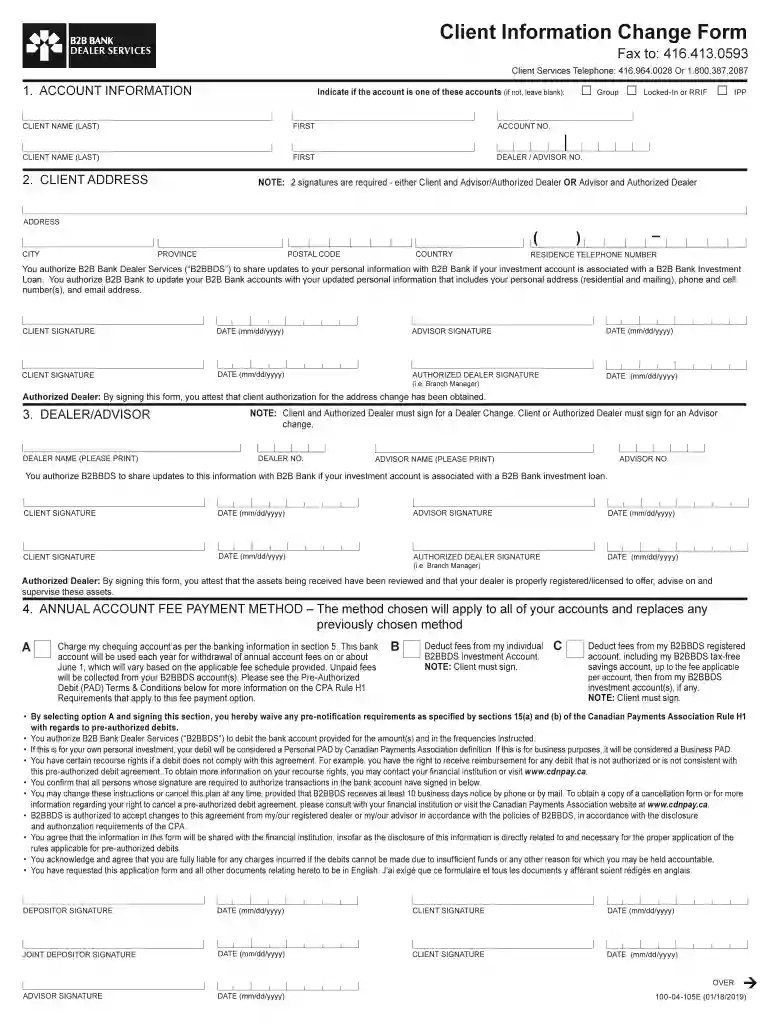
Definition and Purpose of the Client Center: Client Center Accounts (Users) - Add, Edit, and
The "Client Center: Client Center Accounts (Users) - Add, Edit, and" form is an essential tool used by organizations to manage user accounts within a digital client center. Its primary function is to enable administrators to add new users, edit existing user information, and manage account settings effectively. This form plays a crucial role in maintaining organized and secure access to client-related data, ensuring that the right individuals have appropriate access levels.
Key Features
- User Addition: Facilitates the onboarding of new users by capturing essential contact and role-specific information.
- Data Modification: Allows for updates and amendments to user profiles, reflecting changes in roles, contact details, or access permissions.
- Access Management: Helps in assigning specific permissions and roles, ensuring that users have access to only the necessary resources.
How to Use the Client Center: Client Center Accounts (Users) - Add, Edit, and
To use the form effectively, follow these comprehensive steps:
- Log into the Platform: Access your client center using valid administrator credentials.
- Navigate to Account Management: Locate the section dedicated to user management, typically found under settings or administration menus.
- Add New Users:
- Select the option to add users.
- Enter the required information such as name, email, and role.
- Assign necessary permissions based on the user's responsibilities.
- Edit Existing Users:
- Select the user profile requiring changes.
- Modify details such as role updates or contact information adjustments.
- Save changes to update the system records.
- Review User Access: Regularly verify the permissions and roles assigned to maintain optimal security and efficiency.
Steps to Complete the Client Center: Client Center Accounts (Users) - Add, Edit, and
Completing this form requires attention to detail to ensure accurate user management. Follow these detailed steps:
-
Preparing Information:
- Gather all relevant user details such as full name, email address, job titles, and department.
- Determine the role and access level required based on organizational policies.
-
Filling Out the Form:
- Input user details accurately into designated fields.
- Select role and permissions from predefined options reflecting job responsibilities.
-
Verification:
- Double-check all entries for accuracy to prevent errors.
- Confirm with relevant departments or managers if needed.
-
Submission and Confirmation:
- Submit the form through the client center interface.
- Receive confirmation of successful submission and ensure updates reflect instantly in the system.
-
Follow-Up:
- Inform the users about their account status and provide necessary training for new accesses or changes.
- Keep records of form submissions for audit purposes.
Key Elements of the Client Center: Client Center Accounts (Users) - Add, Edit, and
Understanding the core components of the form ensures accurate completion and effective user management.
Core Sections
-
User Information:
- Basic contact details like name and email.
- Department and role designation.
-
Permissions and Roles:
- Access levels and permissions allocated to users.
- Specific responsibilities outlined in the role.
-
Tracking and Audit:
- Timestamp of user addition or modification.
- Records of changes for accountability and traceability.
Important Terms Related to Client Center: Client Center Accounts (Users) - Add, Edit, and
Familiarity with specific terminology associated with this form can enhance understanding and usage.
- Administrator Role: An individual with comprehensive access to configure user settings and perform account management tasks.
- Permissions: Specific rights granted to users determining their access to certain sections or features of the client center.
- Roles: Defined positions or titles within the organization dictating responsibilities and access levels.
- Access Management: Process of assigning, managing, or revoking user access based on roles and responsibilities.
Who Typically Uses the Client Center: Client Center Accounts (Users) - Add, Edit, and
This form is primarily utilized by individuals responsible for managing user access and permissions within an organization.

Typical Users
- IT Departments: Responsible for managing and maintaining user access logistics.
- HR Personnel: May use the form for onboarding new staff and ensuring appropriate access levels.
- Team Managers: Oversee specific teams and may adjust access based on role changes within the group.
Software Compatibility with the Client Center: Client Center Accounts (Users) - Add, Edit, and
Understanding software compatibility can ensure seamless integration with existing systems.
- DocHub: Suits users looking to manage forms centrally and make adjustments with ease.
- Google Workspace Integration: Allows document management within the ecosystem for users relying on Google Suite.
- Custom Software Systems: May require API integration to align with bespoke enterprise systems.
Example Compatibility Scenarios
- A company using Google Workspace can easily incorporate this form following simple integration steps.
- An organization using custom client management software may need development resources to ensure compatibility.
Examples of Using the Client Center: Client Center Accounts (Users) - Add, Edit, and
Exploring use-case scenarios can illustrate the form's applications:
Practical Scenarios
- Onboarding New Employees: An HR manager adds new hires, assigning predefined roles to enable them access relevant resources immediately.
- Changing Employee Roles: A manager uses the form to update permissions when an employee transitions to a new role needing different access.
- Revising Contact Details: Employees who change their contact information can have their details updated efficiently through the form.
These examples demonstrate the form's utility in common business operations, highlighting its role in aiding efficient and accurate access management.