




Overview of the Tenant Application Form PDF
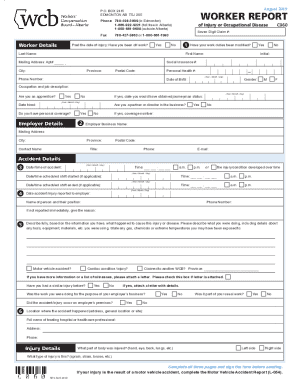
The tenant application form is a critical document that landlords and property managers use to collect essential information from potential tenants. This form is designed to assess an applicant's suitability for renting a property by gathering comprehensive data on personal, employment, and financial backgrounds. Completing this form accurately is vital, as it establishes a foundational relationship between the landlord and prospective tenant.
Essential Sections of a Tenant Application Form
The tenant application form typically includes several sections, each designed to capture specific information crucial for the rental decision process.
-
Applicant Information
- This section gathers personal details such as full name, date of birth, and contact information. It is essential for identifying and communicating with the applicant.
-
Previous Addresses
- Applicants are usually required to provide their prior residences for a specified duration, allowing landlords to verify their rental history. This helps identify patterns of stability or tenancy issues.
-
Employment and Income Verification
- Detailed employment history and income sources must be disclosed, assisting landlords in assessing financial stability. Proof of income, such as pay stubs or tax documents, may be requested for verification.
-
Background Information
- Questions regarding past evictions, criminal records, and other relevant background details help landlords evaluate the applicant's behavior and suitability as a tenant.
Importance of Tenant Screening
Tenant screening is a fundamental aspect of the hiring process for landlords. The data collected through the tenant application form aids in making informed decisions about prospective tenants.
-
Credit Checks
- Many landlords conduct credit checks to assess financial responsibility. Applicants typically give consent for landlords to perform these checks, in accordance with fair housing laws.
-
Right to Fair Credit Reporting
- Under the Fair Credit Reporting Act, applicants must be informed of their rights regarding credit checks and how this information can impact their rental application.
Compliance with Legal and Fair Housing Standards
Landlords must comply with various legal standards when processing tenant applications. This mandates adherence to fair housing laws to prevent discrimination.
-
Fair Housing Act
- The act prohibits discrimination based on race, color, national origin, religion, sex, familial status, or disability. Understanding these regulations ensures that the tenant application process is equitable.
-
Security and Privacy Measures
- Landlords must handle the information gathered on tenant application forms securely. This includes safeguarding sensitive data and ensuring it's used solely for rental assessment purposes.
Creating a Fillable Tenant Application Form
With the prevalence of technology, landlords often use digital forms that allow for easier data processing and storage. A fillable tenant application form simplifies the application process for both parties.
-
Features of Fillable Forms
- Fillable forms enable applicants to enter information directly into text fields, upload supporting documents, and sign electronically.
-
Benefits of Electronic Applications
- Electronic applications streamline the process of collecting tenant information, reduce paperwork, and make it easier to share and store applications securely.
Tips for Applicants Completing a Tenant Application
For tenants, completing an application thoroughly and transparently can significantly improve their chances of securing a rental property. Here are some tips:
-
Be Forthcoming with Information
- Full disclosure of past rental experiences, including evictions or credit issues, can foster trust and transparency with landlords.
-
Prepare Supporting Documents
- Having pay stubs, bank statements, and letters of recommendation readily available can expedite the approval process.
-
Understand the Terms
- Applicants should read and comprehend the lease terms, security deposit requirements, and any rental conditions indicated in the application.
Conclusion
The tenant application form is more than just a document; it is a pivotal tool that helps establish a respectful and legally compliant landlord-tenant relationship. Both parties benefit from a well-structured application process that emphasizes transparency, security, and adherence to legal standards. Understanding the nuances of this form promotes a smooth transition into renting properties, protecting the interests of both landlords and tenants alike.