Definition and Purpose of Prior Authorization Forms
Prior authorization forms are necessary documents used in healthcare to ensure that certain treatments, tests, medications, or services are covered by insurance plans. These forms help prevent unnecessary spending by requiring that the healthcare provider obtain approval from the insurance company before the service is performed or the medication is dispensed. The process ensures that the services requested are medically necessary and fall within the guidelines of the patient's insurance plan, which helps in maintaining quality care while controlling healthcare costs.
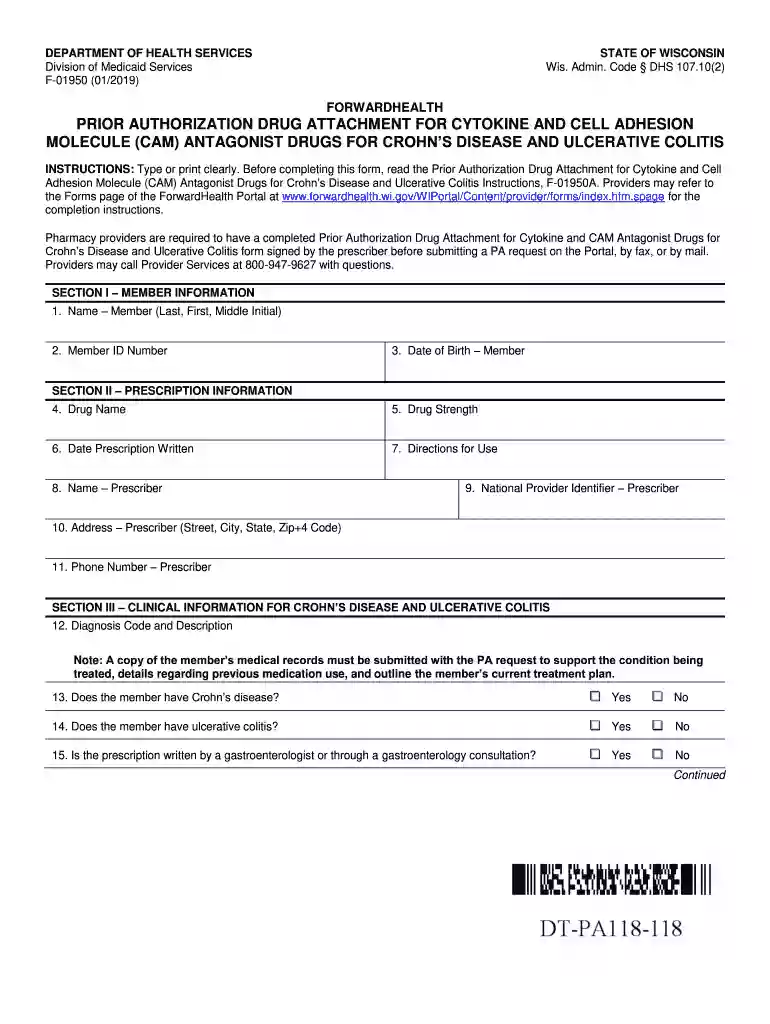
Key Elements of the Reasons for Prior Authorization - Print
A typical "Reasons for Prior Authorization" form includes several critical sections that providers must complete accurately to avoid delays. These include:
- Member Information: Captures details about the patient such as name, date of birth, and insurance ID number.
- Prescriber Details: Requests full information about the healthcare professional, including name, National Provider Identifier (NPI), and contact details.
- Prescription Information: Details about the medication or service being requested, including dosage, frequency, and duration.
- Medical Necessity and Clinical History: Requires documentation supporting the need for the requested service, including previous treatments and outcomes.
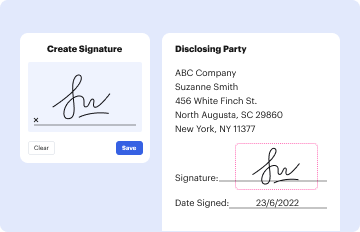
- Signature and Date: Confirms the authenticity of the request and that the information provided is accurate to the best of the prescriber's knowledge.
Steps to Complete the Reasons for Prior Authorization - Print
Completing the form efficiently involves a few critical steps:
- Familiarize with the Form Requirements: Understand all sections of the form and what information is needed in each part.
- Collect Necessary Information: Gather patient, prescriber, and clinical information before filling out the form.
- Fill Out the Form: Enter the required information accurately in each section of the form.
- Attach Supporting Documentation: Include any necessary medical records or clinical history that supports the request.
- Sign and Date: Ensure that the prescriber signs and dates the form.
- Submit the Form: Send the form to the insurance company through the specified method in a timely manner.
Why Use the Reasons for Prior Authorization - Print
Using the prior authorization form is crucial for several reasons:
- Cost Management: It helps in controlling healthcare costs by ensuring that only necessary services are provided.
- Insurance Compliance: Completes the required insurance process for coverage approval, thereby avoiding financial liabilities for the patient.
- Quality Care: Ensures that treatments provided are medically necessary and adhere to established medical standards.
- Documentation: Provides documented proof of request and approval, useful in cases of disputes or audits.
State-Specific Rules for Prior Authorization
Healthcare regulations can vary significantly from state to state, affecting how prior authorization processes are managed:
- Time Frames: Different states have different timelines for how quickly an insurance provider must respond to a prior authorization request.
- Criteria: The criteria for what requires prior authorization can vary, impacting what information needs to be submitted.
- Appeals Process: Procedures for appealing denied requests can differ across state lines, impacting how healthcare providers handle rejections.
Common Scenarios Requiring Prior Authorization
Specific scenarios generally necessitate the completion of a prior authorization form:
- High-Cost Medications: Drugs that are expensive or have less costly alternatives often require pre-approval.
- Specialist Treatments: Certain therapies or procedures performed by specialist providers.
- Uncommon Services: Services that fall outside the typical range of standard care or are not included in primary treatment plans.
Legal Use of the Reasons for Prior Authorization - Print
Completing and submitting these forms accurately is not just a procedural requirement but also a legal one. Errors or omissions could lead to:
- Denial of Claims: Incorrect or incomplete forms may result in claim denial by insurance companies.
- Compliance Issues: Failure to adhere to the prior authorization process can result in non-compliance with insurance agreements.
- Financial Penalties: Providers might risk financial penalties or loss of coverage for patients if processes are not correctly followed.
Digital vs. Paper Version of Prior Authorization
There are considerations when deciding between digital or paper forms:
- Digital Forms: Facilitate faster processing and can be directly integrated with electronic health records, speeding up response times.
- Paper Forms: Useful where electronic submission may not be feasible or preferred by certain providers or insurance plans.
Software Compatibility and Integration
Healthcare providers often use various software platforms to manage prior authorization forms:
- Electronic Health Records (EHRs): Systems that can generate and submit prior authorizations directly from a patient's records.
- Insurance Portals: Many insurers offer online portals where forms can be submitted and tracked electronically.
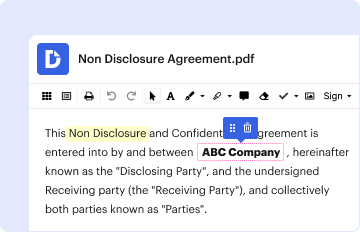
- DocHub Integration: A platform like DocHub can be used to annotate, sign, and submit forms through an integrated process, ensuring streamlined workflow and compliance with documentation standards.