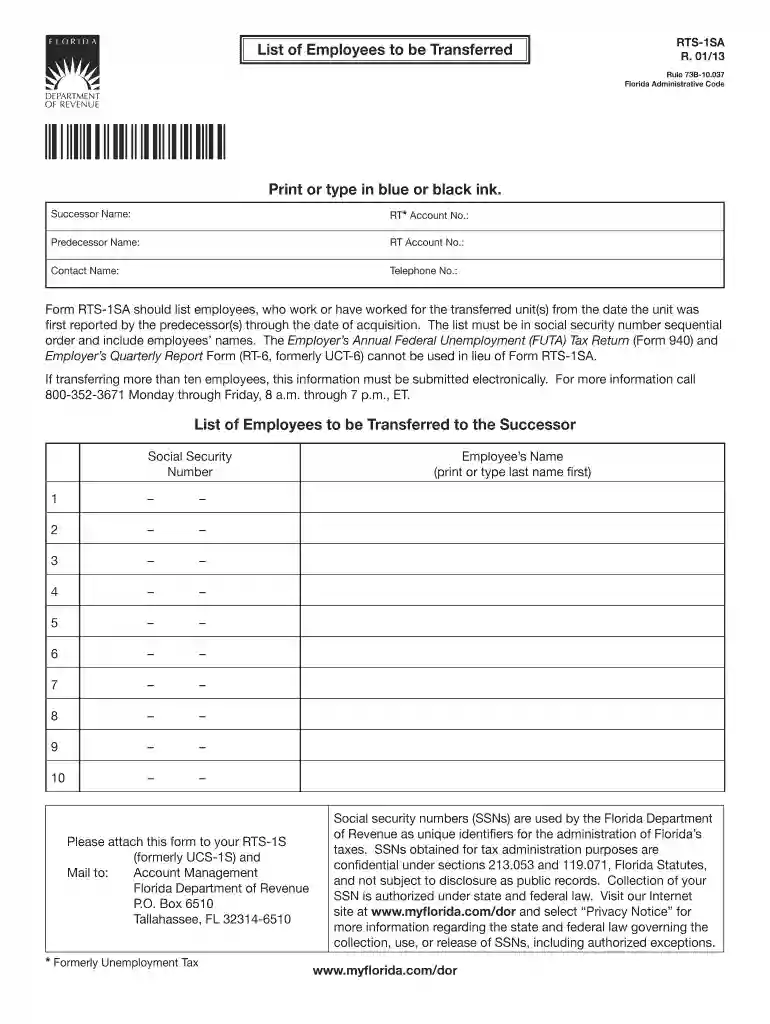
Agenda - Florida Department of Revenue 2026

Get Form
agenda - Florida Department of Revenue Preview on Page 1

Here's how it works

01. Edit your form online
Type text, add images, blackout confidential details, add comments, highlights and more.

02. Sign it in a few clicks
Draw your signature, type it, upload its image, or use your mobile device as a signature pad.

03. Share your form with others
Send it via email, link, or fax. You can also download it, export it or print it out.

Definition & Meaning

The "agenda - Florida Department of Revenue" refers to a document used to outline the process related to engaging with the Revenue Department in Florida. It serves as a structured guide that details procedures, necessary forms, and instructions for compliance and communication with the department. This agenda is designed to streamline interactions and ensure all relevant parties are aligned on requirements and expectations.

Key Elements of the Agenda

The agenda serves as a comprehensive framework for understanding the procedural and compliance requirements with the Florida Department of Revenue. Key elements typically include:

  • Purpose and Scope: Describes the objectives and limitations of the document.
  • Core Procedures: Outlines the necessary steps for completing tasks with the department.
  • Compliance Requirements: Provides specifics on legal obligations and standards.
  • Contact Information: Lists relevant points of contact within the department for further assistance.
  • Reference to Forms: Details necessary forms and their specific uses.

These elements ensure that users have a clear understanding of their responsibilities and the necessary actions to be taken.

How to Use the Agenda

Using the agenda involves understanding its structure and applying its information effectively. Users should:

  1. Identify Relevant Sections: Quickly navigate to the sections pertinent to your needs.
  2. Understand Requirements: Read through the specified procedures to comprehend what is required for compliance.
  3. Follow Steps Precisely: Implementation of each described step ensures compliance and smooth interaction with the department.
  4. Utilize Contact Information: For questions or clarifications, reach out to listed contacts within the department.

Proper use of this agenda ensures that all interactions with the Florida Department of Revenue are carried out accurately and efficiently.

Steps to Complete the Agenda

Completing tasks outlined in the agenda involves systematic execution of detailed steps. Here is a typical process:

  1. Preparation: Gather all necessary documents and information before initiating any actions.
  2. Document Review: Carefully review all instructions relevant to your specific requirement.
  3. Form Completion: Fill out any forms referenced in the agenda with precision.
  4. Submission Process: Submit the required documentation through the specified method, whether online, by mail, or in person.
  5. Confirmation: Ensure all submissions are acknowledged by the department and retain records for future reference.

Each step is crucial to ensure compliance and avoid potential discrepancies.

Legal Use of the Agenda

The agenda is primarily used to ensure legal compliance with the Florida Department of Revenue's requirements. Adhering to the agenda helps:

  • Mitigate Risks: Reduce exposure to penalties and fines for non-compliance.
  • Ensure Accuracy: Maintain precision in submissions and communications with the department.
  • Facilitate Transparency: Clear documentation processes enable transparent and accountable interactions.

Using the agenda as a guideline helps prevent legal missteps and promotes proper adherence to state tax laws and regulations.

Who Typically Uses the Agenda

This agenda is used by various parties engaging with the Florida Department of Revenue, including:

  • Businesses: Companies operating within Florida needing to comply with tax and revenue requirements.
  • Tax Professionals: Accountants and legal representatives working on behalf of clients to ensure compliance.
  • Individuals: Florida residents who are subject to state revenue obligations and require guidance.

The agenda provides a robust tool to align the understanding and actions of diverse stakeholders.


decoration image ratings of Dochub

Important Terms Related to the Agenda

Understanding key terminology utilized within the agenda is essential for interpretation. Common terms include:

  • Revenue Obligations: Refers to duties and taxes that entities are required to pay to the state.
  • Compliance Requirements: Legal standards that must be met by entities engaging with the department.
  • Submission Protocols: Guidelines that dictate the method and timing of document submissions.

Being familiar with these terms enhances the ability to effectively use the agenda.

Form Submission Methods

The agenda specifies various methods for submitting documents, which can include:

  • Online Submission: Digital submission through the Florida Department of Revenue’s website or other electronic platforms.
  • Mail Submission: Physical documents sent via postal services.
  • In-Person Submission: Delivery of forms directly to department offices.

Selecting the appropriate method based on convenience and requirement ensures timely and accurate submissions.

See more agenda - Florida Department of Revenue versions

We've got more versions of the agenda - Florida Department of Revenue form. Select the right agenda - Florida Department of Revenue version from the list and start editing it straight away!
Versions Form popularity Fillable & printable
2015 4.9 Satisfied (200 Votes)
2013 4.4 Satisfied (44 Votes)
be ready to get more

Complete this form in 5 minutes or less

Get form

Got questions?

We have answers to the most popular questions from our customers. If you can't find an answer to your question, please contact us.
Contact us
The Florida Department of Revenue: Administers three main programs: Child Support Program; General Tax Administration; and Property Tax Oversight. Works on behalf of more than 1.2 million children to establish and collect child support. Distributes more than $1.6 billion a year in child support payments to families.
Whether the tax was collected and not remitted to the state by the taxpayer. (2) Reasonable cause is indicated by the existence of facts and circumstances which support the exercise of ordinary care and prudence on the part of the taxpayer in complying with the revenue laws of this state.
The mission of the Florida Department of Corrections is to provide a continuum of services to meet the needs of those entrusted to our care, creating a safe and professional environment with the outcome of reduced victimization, safer communities and an emphasis on the premium of life.
Provide Americas taxpayers top quality service by helping them understand and meet their tax responsibilities and enforce the law with integrity and fairness to all. This mission statement describes our role and the publics expectation about how we should perform that role.
Our mission is to ensure fair and equitable administration; assist local governments; and be accessible and responsive to Floridas citizens. We ensure that all Florida counties will administer property taxes in a fair, uniform, and informative manner.

Security and compliance

At DocHub, your data security is our priority. We follow HIPAA, SOC2, GDPR, and other standards, so you can work on your documents with confidence.

Learn more
ccpa2
pci-dss
gdpr-compliance
hipaa
soc-compliance

People also ask

A delinquency notice (Notice of Delinquency) is issued when a return is not filed and a bill (Notice of Amount Due) is issued when a return is filed late or additional money is due. The delinquency notice indicates a return has not been filed, while the initial bill contains a breakdown of the additional amount due.
The state sales and use tax rate is 6 percent, although some goods and services are exempt, such as groceries and prescription medicine. Counties are allowed to add a discretionary sales surtax, with current rates ranging from 0 percent to 2.0 percent.
The mission of the Department of Children and Families is to work in partnership with local communities to protect the vulnerable, promote strong and economically self-sufficient families, and advance personal and family recovery and resiliency.

Related links