



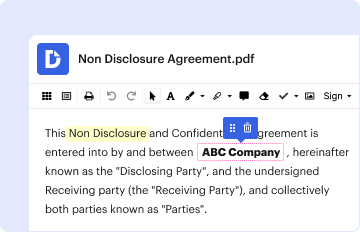
01. Edit your w7coa online
Type text, add images, blackout confidential details, add comments, highlights and more.

Type text, add images, blackout confidential details, add comments, highlights and more.
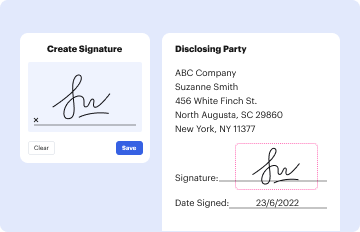
Draw your signature, type it, upload its image, or use your mobile device as a signature pad.

Send w7coa form via email, link, or fax. You can also download it, export it or print it out.
Form W-7 (COA), or the Certificate of Accuracy, is an essential document used by IRS Certifying Acceptance Agents to verify the identity and foreign status of applicants applying for an Individual Taxpayer Identification Number (ITIN). This form plays a crucial role in ensuring all supporting documentation is reviewed and authenticated before submission to the IRS. It includes vital information such as the authorized representative's name, business details, and a statement of authenticity. The primary objective of the W-7 (COA) is to streamline the ITIN application process by certifying that the documents meet the IRS's requirements.
The legal use of Form W-7 (COA) lies in assessing and verifying the authenticity of identity and foreign status documents for ITIN applicants. The IRS mandates that Certifying Acceptance Agents comply with strict guidelines in certifying these documents to prevent fraud and identity theft. Any misrepresentation or failure to comply may result in penalties or revocation of the agent’s certification. Agents must adhere to IRS guidelines on acceptable forms of identification and ensure all information is accurate before submission.
Form W-7 (COA) is primarily utilized by IRS Certifying Acceptance Agents—individuals or entities authorized by the IRS to help foreign individuals apply for ITINs. These agents work on behalf of applicants who find navigating the ITIN application process challenging. Besides agents, foreign nationals residing in the U.S. who do not qualify for a Social Security Number but need to comply with U.S. tax laws may indirectly benefit from the W-7 (COA) process.
While Form W-7 (COA) adheres to federal IRS guidelines, applicants and agents should be aware of any state-specific rules that might impact tax obligations or document submission requirements. Certain states may have additional documentation needs or distinct processes for recognizing foreign documents.
The timeline for processing Form W-7 (COA) corresponds with the ITIN application deadlines. It is crucial to submit the form well in advance of tax filing deadlines to ensure sufficient processing time. Typically, applicants aiming to meet tax obligations by April 15 should submit their ITIN applications, along with Form W-7 (COA), promptly to avoid delays.
Certifying Acceptance Agents must review specific documents that establish the applicant's identity and foreign status. These documents include, but are not limited to:
Each document must be unexpired and contain pertinent information such as a photograph, individual's name, and issuing authority.
The IRS sets strict guidelines for the use of Form W-7 (COA) as part of the ITIN application process. It mandates that documents must be original or certified copies issued by the original agency. Certifying Acceptance Agents are responsible for ensuring compliance with these guidelines to avoid processing delays or rejection of ITIN applications.
Failure to comply with the requirements of the W-7 (COA) can lead to significant legal and financial repercussions. Certifying Acceptance Agents who knowingly certify false documents risk losing their approval status, and applicants may face denial of their ITIN application. In cases of fraud, criminal charges can be pursued by the IRS. Therefore, accuracy and honest verification are paramount.
We've got more versions of the w7coa form. Select the right w7coa version from the list and start editing it straight away!
At DocHub, your data security is our priority. We follow HIPAA, SOC2, GDPR, and other standards, so you can work on your documents with confidence.
Form W-7 (COA) is a Certificate of Accuracy prepared by an ITIN. docHubing Acceptance Agent (CAA) and attached to each Form W-7. (Application for IRS
Dec 31, 2024 Use Form W-7 for the following purposes. To apply for a new ITIN. Individuals applying for an ITIN must include a U.S. federal tax return
Mar 25, 2021 The COA Qualification Plan (QP) should be accompanied by a cover letter and should include the following completed sections.


