




01. Edit your form online
Type text, add images, blackout confidential details, add comments, highlights and more.

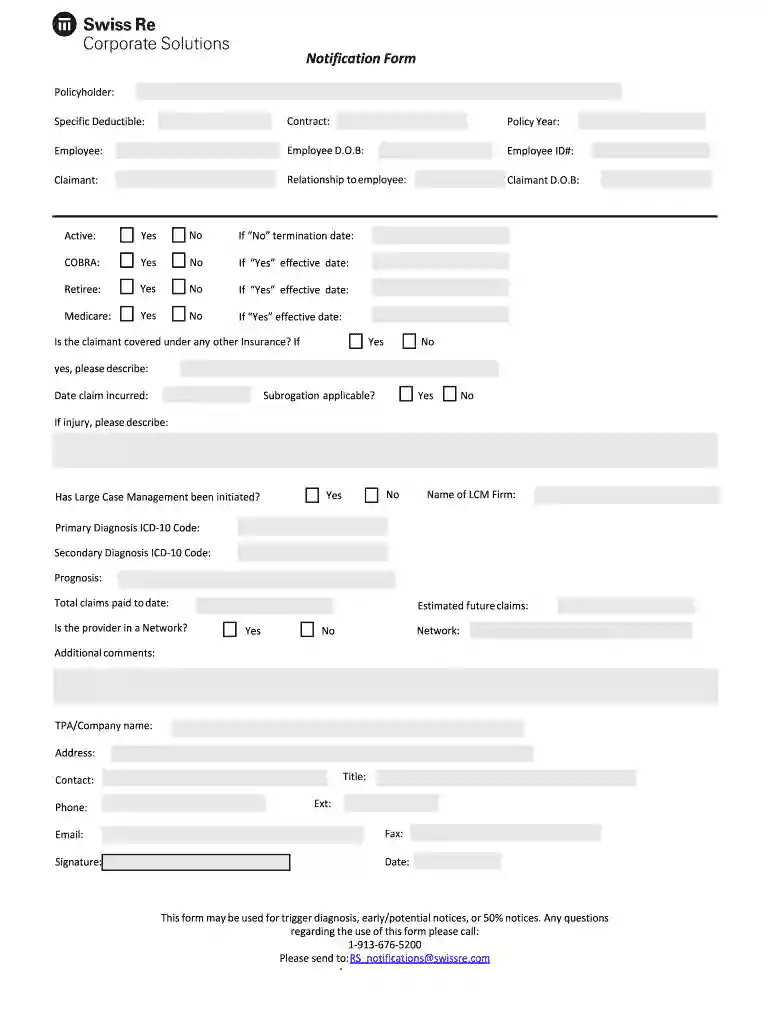
Type text, add images, blackout confidential details, add comments, highlights and more.

Draw your signature, type it, upload its image, or use your mobile device as a signature pad.

Send it via email, link, or fax. You can also download it, export it or print it out.
The General Information and Instructions form serves as a comprehensive guide designed to assist users in accurately completing specific applications or reports. This form typically provides detailed guidance on the purpose of the document, the necessary information to include, and best practices for proper submissions. By demystifying complex requirements and breaking them down into manageable sections, it is tailored to ensure users can effectively comply with pertinent regulatory or organizational requirements.
Understanding how to navigate this form is essential for proper execution. Here’s a step-by-step process to ensure you utilize the form effectively:
Completing the form requires careful attention to detail. Below are steps to guide you through this process:
Understanding the core components of this form will aid in your navigation and completion:
Introduction: Sets the context for the document’s use and purpose.
Instructions for Completion: Detailed steps and guidelines to follow when filling out the form.
Definitions: Clarifies terms used within the document to prevent misunderstandings.
Submission Guidelines: Information on how and where to submit the form once completed.
Practical Example: If the form is for tax purposes, elements might include definitions related to income sources, deductible expenses, and filing statuses.
This form provides critical support for ensuring compliance and accuracy:
Eliminates Errors: Offers precise instructions that reduce the likelihood of common errors.
Compliance Assurance: Helps ensure that submissions meet all necessary legal and procedural standards.
Efficiency Improvement: Streamlines the process by clearly outlining steps and requirements needed for submission.
Case Study: Organizations using these forms have reported fewer errors and faster processing times compared to those not utilizing such structured guidance.
Proper legal adherence is crucial when dealing with the General Information and Instructions form. Here’s what to watch for:
Regulatory Alignment: The form should adhere to applicable laws and regulations, such as tax codes or corporate governance rules.
Privacy Considerations: Ensure that any personal data collected through the form complies with data protection laws like GDPR or CCPA.
Audit and Verification: Properly completed forms may be necessary for audits and should be retained according to legal retention schedules.
Example: For a tax-related form, compliance with IRS guidelines is essential to prevent fines or legal action.
Different groups may find this form invaluable:
Individuals: Those filing personal taxes or applying for permits may use the form.
Businesses: Companies might rely on these instructions for corporate reporting or compliance documentation.
Legal Entities: Law firms may use standardized forms for submitting legal documents or court filings.
Sample Scenario: A small business owner completing tax submissions or a company filing for annual regulatory compliance.


Practical applications of the General Information and Instructions form are numerous:
Tax Filings: Provides straightforward instructions for individual or corporate tax returns.
Grant Applications: Guides applicants through the often complex filing process, ensuring completeness and adherence to regulations.
Permitting Processes: Assists in adhering to municipal or state guidelines when applying for licenses or permits.
Illustration: A freelance graphic designer might use the form to accurately report earnings and claim deductions during tax filing.
We've got more versions of the General Information and Instructions form. Select the right General Information and Instructions version from the list and start editing it straight away!
At DocHub, your data security is our priority. We follow HIPAA, SOC2, GDPR, and other standards, so you can work on your documents with confidence.
Instructions should be sequentially numbered, with each step heading appearing in bold type and noted as Step 1, Step 2, etc. Use continuous numbering
The General Instructions for Certain Information Returns contain broad information concerning Forms 1097, 1098, 1099, 3921, 3922, 5498, and W-2G.
This form is used for both undergraduate and graduate courses. This report must be signed by both the instructor and the student, and then submitted to the


