



01. Edit your form online
Type text, add images, blackout confidential details, add comments, highlights and more.

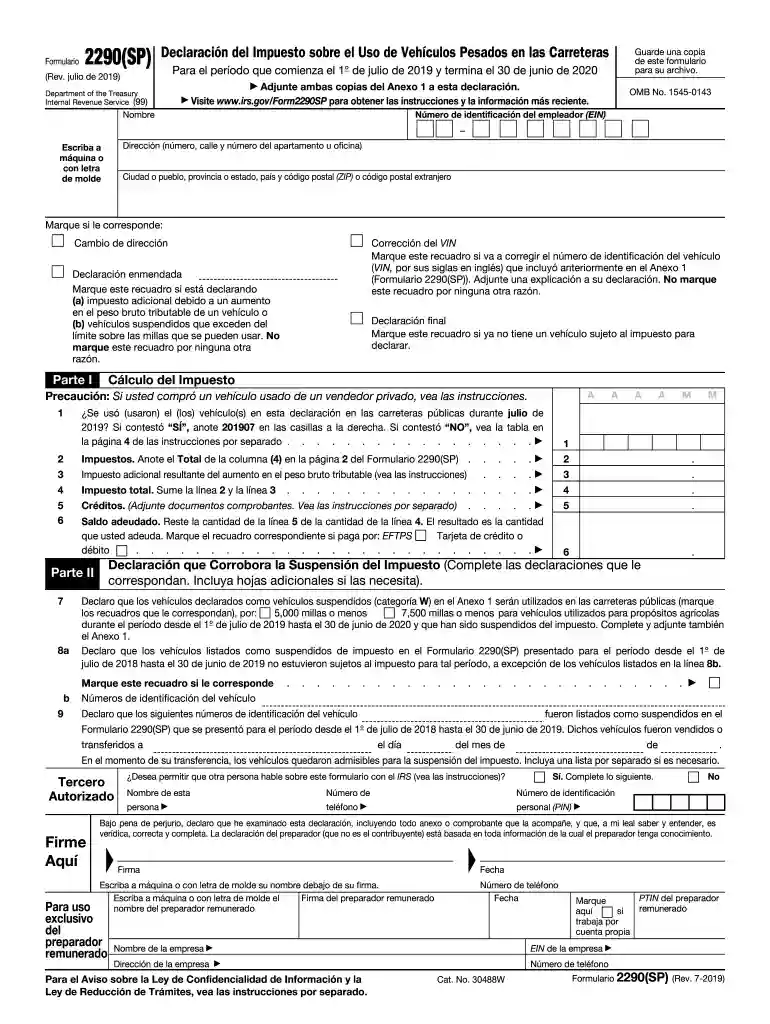
Type text, add images, blackout confidential details, add comments, highlights and more.

Draw your signature, type it, upload its image, or use your mobile device as a signature pad.

Send it via email, link, or fax. You can also download it, export it or print it out.
"Looking for begins on the next page" typically signifies a continuation in paper-based forms or documents, indicating that additional details or information related to what has been introduced or partially covered on the current page can be found on the following page. This phrase helps users to track the flow of content, especially in extensive multi-page documents, and is crucial in guiding users towards completing the intended sections without missing vital information.
Utilizing this form involves carefully following the instructions and ensuring that each section is fully completed. When you encounter this phrase, remember to turn the page to access the remaining sections. It's vital in both physical and digital document formats to ensure completeness. In digital interfaces, it may mean clicking through to a new section or scrolling to reveal more content. For document processing, ensure every necessary box is checked and step is completed, leveraging form tools if available.
Key elements include understanding that this phrase indicates additional instructions or required fields that must be completed. Often forms like applications or legal documents will have a summary page providing an overview, directing users to further detailed sections. Pay close attention to any numbered or bulleted lists that follow this phrase, as they typically specify essential tasks, details, or fields to be filled out.
Examples typically arise in contexts like applications, contracts, or tax forms, where instructions start on one page and continue onto the next without explicit breakpoints. Taking a government-issued tax form, for instance, you may find deductions listed on one page, with the phrase signaling a move to a detailed page listing qualifying conditions for those deductions.
Read the Current Page Thoroughly: Ensure you have understood all instructions and fields presented before moving on.
Turn to the Next Page: Physically or digitally move to the subsequent page where continuation occurs.
Follow Instructions to Completion: Adhere strictly to any tasks or fields mandated on the following page.
Review Full Document: Confirm all sections preceding and after the noted continuation are complete to ensure no necessary step is overlooked.
Ensure Consistency Across Sections: Check that information provided aligns across both pages.
In legal documents, this phrase serves as a directive to complete components that may affect the document's validity, such as clauses, signatory details, or declarations. Skipping sections after this prompt can result in incomplete or unenforceable documents. It functions as a guide to ensure legal compliance and comprehensive documentation.
Users typically include individuals filling out comprehensive forms such as tax documents, business agreements, or governmental applications. Legal professionals, accountants, and business administrators frequently encounter and need to understand this guidepost, ensuring that their documentation processes are thorough and legally binding.

Understanding this concept includes grasping associated terminology such as "form continuation," "subsequent sections," or "detailed instructions". Familiarity with these terms aids in navigating documents with similar guidance efficiently:
Different states may have specific regulations related to documentation procedures, especially in legal or tax contexts. Whereas one state might require additional review stages or validations, others may have more streamlined processes, making the ability to move to subsequent pages particularly vital as you ensure that localized requirements are met in jurisdictions where your document may apply.
We've got more versions of the looking for begins on the next page form. Select the right looking for begins on the next page version from the list and start editing it straight away!
At DocHub, your data security is our priority. We follow HIPAA, SOC2, GDPR, and other standards, so you can work on your documents with confidence.
m To move forward or backward one page at a time, click the Previous Page button (looks like an up arrow) or the Next Page button (looks like a down arrow) at
After doing this, you should see a Section Break (Next Page) code inserted into your document. This tells Word that the next page begins a new section which
The form you are looking for begins on the next page of this file. Before viewing it, please see important updated information below.


