Form P11D for the period 1 Jan 2018 to 31 Dec 2018 Return by employer for benefits, non-cash emolume-2026

Get Form
Form P11D for the period 1 Jan 2018 to 31 Dec 2018 Return by employer for benefits, non-cash emolume Preview on Page 1

Here's how it works

01. Edit your form online
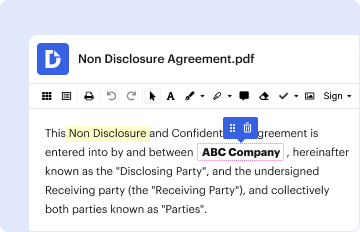
Type text, add images, blackout confidential details, add comments, highlights and more.

02. Sign it in a few clicks
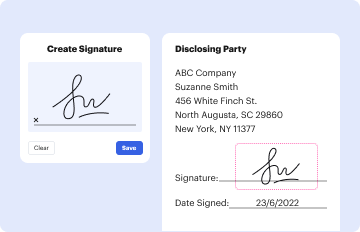
Draw your signature, type it, upload its image, or use your mobile device as a signature pad.
03. Share your form with others
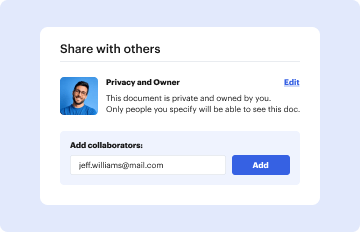
Send it via email, link, or fax. You can also download it, export it or print it out.

Definition & Meaning

Form P11D for the period from January 1, 2018, to December 31, 2018, is a document that employers in the United States must complete to report benefits, non-cash emoluments, and payments provided to directors and certain employees. This form highlights any compensation or benefits that fall outside regular salary, such as health benefits, car allowances, or non-cash perks which are not deducted through the standard PAYE/USC system. Understanding the precise nature and purpose of Form P11D is critical for accurate reporting and compliance with U.S. taxation regulations.

How to Use the Form P11D

To correctly use Form P11D, employers should start by identifying all employees who received benefits that are not covered by PAYE/USC and need to be reported. Next, gather detailed information regarding the type and value of each benefit or non-cash emolument given. This process involves categorizing each benefit correctly and accurately filling in the form with this information. It is recommended to use reliable software tools compatible with such forms to simplify this task and ensure that all entries are accurate and complete.

Step-by-Step Usage

  1. Identify Recipients: List all directors and employees receiving relevant benefits.
  2. Categorize Benefits: Determine the nature of each benefit (car, health, travel).
  3. Determine Values: Calculate the monetary value of each benefit provided.
  4. Fill in the Form: Enter all required information accurately on Form P11D.
  5. Verify Entries: Double-check calculations and details for correctness.
  6. Submit the Form: Ensure timely submission via the designated method (online, mail).

Steps to Complete Form P11D

Completing Form P11D requires a methodical approach to ensure accuracy:

  1. Gather Employee Information: Ensure you have comprehensive records of all relevant employees.
  2. Compile Benefit Details: Collect details such as dates, types, and values of benefits.
  3. Assign Values Appropriately: Apply correct valuation methods for each benefit type.
  4. Accurate Form Completion: Use clear handwriting or digital entry to prevent errors.
  5. Review and Validate: Always review the filled form for potential discrepancies.
  6. Employer Declaration: Provide a signed declaration to affirm the accuracy of information.

Required Documents

Completing a Form P11D requires several supporting documents to confirm the reported benefits and calculations. These may include:

  • Detailed payroll records.
  • Contracts or agreements outlining benefit provisions.
  • Receipts and invoices related to non-cash emoluments.
  • Valuation statements for company cars and other substantial benefits.

Having organized documentation is vital for both accurate reporting and potential audits or inquiries.

IRS Guidelines

The IRS provides specific guidelines regarding the completion of Form P11D, emphasizing:

  • Clear differentiation between cash salary and non-cash benefits.
  • Accurate reporting of taxable and non-taxable benefits.
  • Timely filing in compliance with defined IRS deadlines.

These guidelines help ensure that employers meet their legal obligations while minimizing errors and potential penalties.

Filing Deadlines / Important Dates

Employers must pay close attention to the filing deadlines associated with Form P11D. This form must be submitted to the IRS by January 31 following the corresponding tax year to avoid late fees or penalties. Planning ahead and establishing a timeline for gathering necessary information can greatly alleviate the stress of approaching deadlines.

Penalties for Non-Compliance

Failure to accurately complete or timely submit Form P11D can result in penalties, which may include:

  • Monetary fines imposed by the IRS.
  • Additional scrutiny or audits of company financials.
  • Legal repercussions stemming from misreporting or neglect.

Understanding the severity of non-compliance penalties underscores the importance of diligence and precision when handling this form.

Software Compatibility and Integration

Employers may benefit from using software solutions to assist in preparing Form P11D. Many platforms, like TurboTax and QuickBooks, provide features that integrate necessary data automatically, reducing errors and streamlining the overall process. Selecting appropriate, compatible software is an intelligent strategy to ensure compliance and efficiency in managing employer reporting duties.

See more Form P11D for the period 1 Jan 2018 to 31 Dec 2018 Return by employer for benefits, non-cash emolume versions

We've got more versions of the Form P11D for the period 1 Jan 2018 to 31 Dec 2018 Return by employer for benefits, non-cash emolume form. Select the right Form P11D for the period 1 Jan 2018 to 31 Dec 2018 Return by employer for benefits, non-cash emolume version from the list and start editing it straight away!
Versions Form popularity Fillable & printable
2020 4.8 Satisfied (160 Votes)
2019 4.2 Satisfied (81 Votes)
2018 4.1 Satisfied (64 Votes)
2017 4.4 Satisfied (129 Votes)
2005 4.1 Satisfied (97 Votes)
be ready to get more

Complete this form in 5 minutes or less

Get form

Got questions?

We have answers to the most popular questions from our customers. If you can't find an answer to your question, please contact us.
Contact us
How to complete P11D and P11D(b) Overview. Assets transferred (cars, property, goods or other assets) Payments made on behalf of the employee. Vouchers and credit cards. Living accommodation. Mileage allowance payments not taxed at source. Cars and car fuel. Vans and van fuel.
For incorrect P11D forms, a penalty of up to 3,000 may be levied per form. If the business has incurred a penalty for late or incorrect filing, they may appeal on the reasonable excuse grounds, if applicable.
A P11D form is a document used by an employer to list any expenses or benefits given to directors or employees. It is submitted to HMRC yearly and includes items or services such as private healthcare, company cars or season ticket loans.
Another common mistake is providing incorrect information on the P11D form. This can include errors in the value of the benefits, incorrect employee details, or misclassification of benefits. These mistakes can lead to inaccurate tax calculations and potential penalties from HMRC.
Unbeknownst to many employers, you can now payroll benefits you provide to your employees so that you do not have to produce a P11D each year. You can do this as long as you register with HMRC before the start of the tax year to let them know that you intend to payroll staff benefits.

Security and compliance

At DocHub, your data security is our priority. We follow HIPAA, SOC2, GDPR, and other standards, so you can work on your documents with confidence.

Learn more
ccpa2
pci-dss
gdpr-compliance
hipaa
soc-compliance

People also ask

Allowable expenses are no longer required to be shown on your P11D form but you do need to claim your expenses on an expense claim form for these amounts to be relieved against your company profits.
You should contact HMRC again and present your evidence, explaining that the reported benefit is incorrect. HMRC may advise you on how to dispute the information or request an amendment from your employer. You should also request that your former employer correct the P11D using HMRCs online correction system.
Compliance is essential for any business, and completing a P11D is a key payroll responsibility because it ensures you are tax-compliant. Failing to complete one can result in penalties from HMRC. The consequences could include a fine, which might affect the financial health of your company.

Related links