




01. Edit your form online
Type text, add images, blackout confidential details, add comments, highlights and more.

Type text, add images, blackout confidential details, add comments, highlights and more.

Draw your signature, type it, upload its image, or use your mobile device as a signature pad.

Send it via email, link, or fax. You can also download it, export it or print it out.
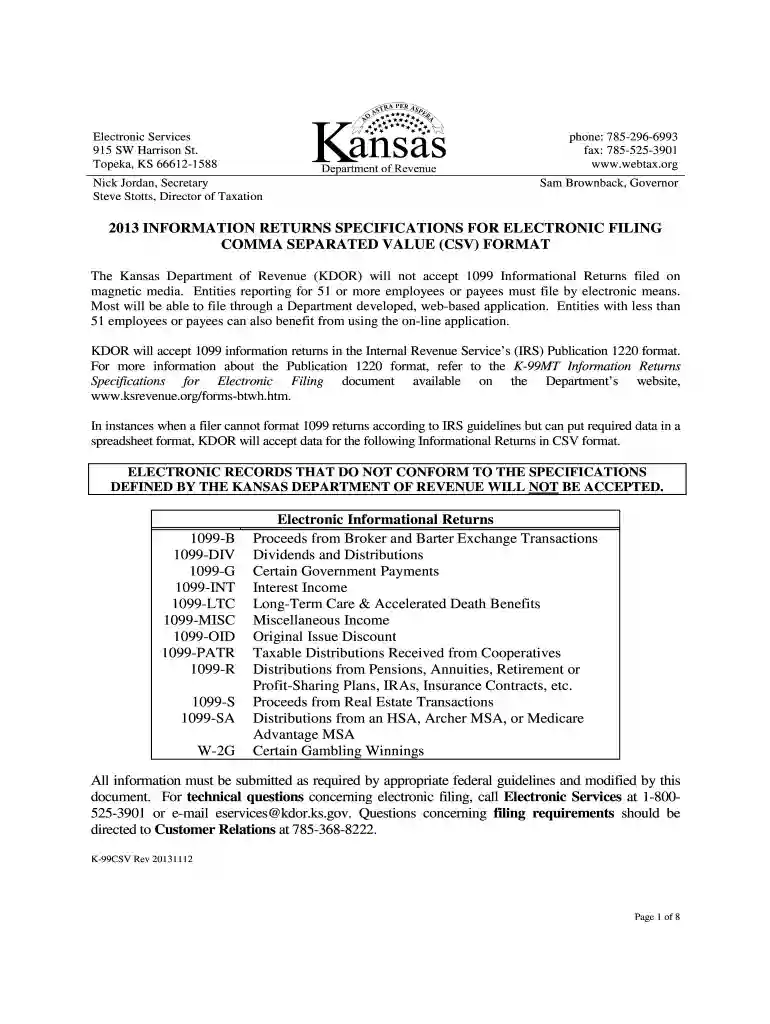
The "2011 Information Returns Specifications For" refers to a set of guidelines and technical standards established to manage the electronic filing of informational returns for the 2011 tax year. These specifications are essential for ensuring that the data reported by businesses and individuals follows the required formats, meeting both federal and state compliance requirements. Primarily, this document guides filers on how to accurately report various financial transactions to the Internal Revenue Service (IRS), providing essential instructions for electronic submissions.
Completing the informational returns as per the 2011 specifications involves several critical steps designed to ensure compliance and accuracy. Here is a step-by-step guide to navigate through the process effectively:
Utilizing the 2011 specifications effectively requires understanding the processes and technologies involved in digital tax reporting. These specifications are utilized by tax professionals and financial institutions to ensure proper compliance with regulatory standards.
Navigating the specific terminologies within the specifications is crucial for correct application and compliance. Below are some key terms:
Several practical scenarios illustrate how the 2011 specifications apply to real-world reporting requirements:
A corporation must report dividends paid to shareholders. By utilizing the 2011 specifications, the company can format its submission according to IRS Publication 1220 standards, ensuring seamless processing and compliance.
Small businesses receiving interest income may need to file 1099-INT forms. The specifications help standardize the submission, reducing the chance of filing errors and penalties.
Adhering to IRS guidelines while using the 2011 information returns specifications is critical for avoiding penalties and ensuring compliance with federal tax regulations.
The timing of filing returns as per the 2011 specifications is critical. Adhering to deadlines ensures compliance and avoids penalties:
Ensuring that the use of information returns aligns with legal standards is vital to maintain compliance and protect sensitive data:
Incorporating these insights into the "2011 Information Returns Specifications For" ensures a comprehensive understanding and effective utilization of the form, aligning with regulatory standards and improving tax reporting accuracy.
We've got more versions of the 2011 INFORMATION RETURNS SPECIFICATIONS FOR form. Select the right 2011 INFORMATION RETURNS SPECIFICATIONS FOR version from the list and start editing it straight away!
At DocHub, your data security is our priority. We follow HIPAA, SOC2, GDPR, and other standards, so you can work on your documents with confidence.
Jan 31, 2012 File the 2011 return for calendar year. (including a change to an in requirements for information returns, penalty if it files a
Dec 13, 2011 Information on new forms was added to Pub. Instructions for Form 1099-PATR. 1220, which is now titled Specifications for Filing Forms 1097,.
All practitioners must deal with Forms 1099, whether in reporting income reflected on a Form 1099 or in actually preparing Forms 1099 for clients who are


