DSW - PCG Public Partnerships 2026

Get Form
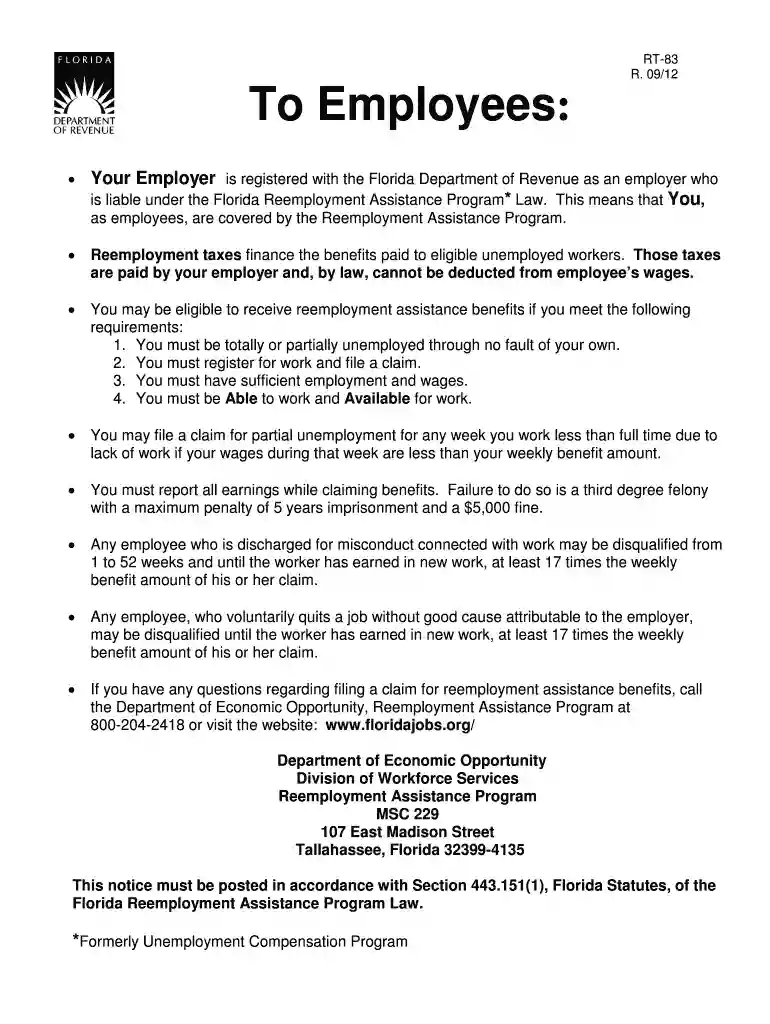
DSW - PCG Public Partnerships Preview on Page 1

Here's how it works

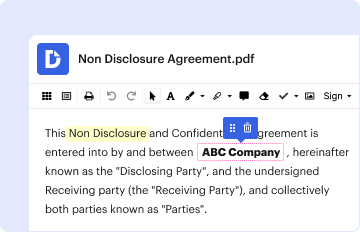
01. Edit your form online
Type text, add images, blackout confidential details, add comments, highlights and more.

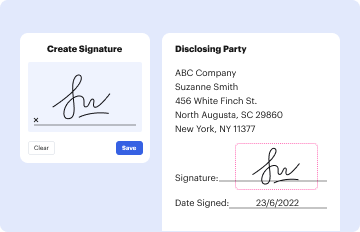
02. Sign it in a few clicks
Draw your signature, type it, upload its image, or use your mobile device as a signature pad.
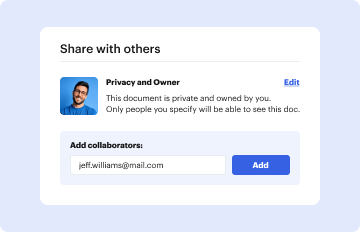
03. Share your form with others
Send it via email, link, or fax. You can also download it, export it or print it out.

Definition and Meaning of DSW - PCG Public Partnerships

The "DSW - PCG Public Partnerships" is a framework designed to facilitate support and services between public entities and private stakeholders. It often involves collaboration in areas such as social services, healthcare, and community development programs. The goal is to improve efficiency and effectiveness in service delivery by leveraging the strengths and resources of both public sectors and their private counterparts.

Key Components

  • Partnership Structure: Typically involves formal agreements outlining roles, responsibilities, and expectations.
  • Service Areas: Can include but are not limited to social services, transportation, and health care.
  • Stakeholders: Includes government agencies, non-profits, community organizations, and private sector businesses.

Examples

  • Collaborations to improve public health initiatives.
  • Partnerships to develop affordable housing projects.
  • Joint efforts to provide education and training programs.

How to Use the DSW - PCG Public Partnerships

Utilizing the DSW - PCG Public Partnerships requires understanding its structure and applying it to relevant projects. Here’s a breakdown of how to leverage this partnership effectively.

Steps to Implement

  1. Identify Need: Recognize the specific area where partnership can provide added value.
  2. Engage Stakeholders: Initiate discussions with potential partners who share a common goal.
  3. Formulate Agreements: Develop a formal partnership agreement detailing roles and expectations.
  4. Execute and Monitor: Implement the partnership agreement and regularly review progress.

Practical Scenarios

  • A local government partners with a non-profit to enhance community health services.
  • State agencies collaborate with educational institutions for workforce training programs.

Steps to Complete the DSW - PCG Public Partnerships

Completing the DSW - PCG Public Partnerships involves several meticulous steps to ensure full compliance and effectiveness.

Detailed Process

  1. Assessment Phase: Evaluate the scope of collaboration and the results it aims to achieve.
  2. Legal Review: Conduct thorough legal assessments to ensure compliance with relevant laws and regulations.
  3. Drafting the Agreement: Clearly outline roles, responsibilities, and objectives.
  4. Stakeholder Signing: Collect signatures from all involved parties; formalizing the partnership.
  5. Implementation: Initiate the execution of tasks as delineated in the agreement.
  6. Evaluation: Regularly monitor and assess the outcomes against predefined goals and make adjustments as necessary.

Considerations

  • Ensure clarity in communication to avoid potential disputes.
  • Establish a clear conflict resolution mechanism.

Important Terms Related to DSW - PCG Public Partnerships

Understanding the terminology associated with DSW - PCG Public Partnerships is crucial for effective implementation.

Common Terms

  • Stakeholder Engagement: The process of involving all parties with a vested interest in the partnership.
  • Public-Private Partnership (PPP): A collaborative arrangement where public and private sectors share responsibilities and risks.
  • Performance Metrics: Standards used to measure the success and efficiency of the partnership.

Contextual Examples

  • Using performance metrics to evaluate a public transportation collaboration can ensure service objectives are met.
  • Stakeholder engagement is critical in projects requiring community support, such as new public facility developments.

Legal Use of the DSW - PCG Public Partnerships

Legally, DSW - PCG Public Partnerships are grounded in stringent regulations to ensure accountability and transparency.

Legal Framework

  • Contractual Agreements: Legally-binding documents outlining the terms of the partnership.
  • Compliance: All activities must align with federal, state, and local laws.
  • Audit and Reporting: Regular audits to ensure funds and resources are used according to agreed terms.

Real-World Insights

  • Legal obligations demand that any deviation from the contract terms must be formally approved.
  • Transparency in financial management within the partnership is essential to maintain public trust.

Who Typically Uses the DSW - PCG Public Partnerships

Various entities can engage in DSW - PCG Public Partnerships, each bringing different resources and expertise to the table.


decoration image ratings of Dochub

Main Users

  • Government Agencies: State, local, and federal agencies engaging in service delivery improvements.
  • Non-Profit Organizations: These groups often collaborate to access wider resources and funding.
  • Private Sector Businesses: Companies providing essential services or funding support in exchange for contractual obligations.

Sector-Specific Utilization

  • In healthcare, partnerships might focus on expanding public health initiatives.
  • In education, collaborations could enhance access to learning resources or workforce development.

State-Specific Rules for DSW - PCG Public Partnerships

State laws significantly impact how DSW - PCG Public Partnerships are structured and operated.

Notable Variations

  • Regulatory Differences: States may have unique regulatory frameworks governing partnerships.
  • Funding Structures: States might offer varying financial incentives for entering into partnerships.

Case Studies

  • Some states incentivize partnerships with tax breaks, aimed at encouraging private businesses to engage in public projects.
  • In states with stringent environmental laws, partnerships may need to incorporate specific sustainability measures.

Required Documents for DSW - PCG Public Partnerships

Successful implementation of a DSW - PCG Public Partnership necessitates a variety of documents to ensure legal and operational standards.

Typical Documentation

  • Partnership Agreement: Comprehensive contracts that spell out the terms, conditions, and expectations.
  • Legal Documentation: Any necessary approvals or licenses required by law.
  • Performance Reports: Ongoing documentation tracking the partnership’s progress and performance.

Document Insights

  • Consistent updates and maintenance of documentation can prevent miscommunications and provide clarity in case of disputes.
  • Detailed record-keeping is essential for auditing and compliance confirmations.

See more DSW - PCG Public Partnerships versions

We've got more versions of the DSW - PCG Public Partnerships form. Select the right DSW - PCG Public Partnerships version from the list and start editing it straight away!
Versions Form popularity Fillable & printable
2023 4.9 Satisfied (40 Votes)
2019 4.8 Satisfied (91 Votes)
2015 4.4 Satisfied (267 Votes)
2012 4.4 Satisfied (511 Votes)
be ready to get more

Complete this form in 5 minutes or less

Get form

Got questions?

We have answers to the most popular questions from our customers. If you can't find an answer to your question, please contact us.
Contact us
In the case of a sole proprietorship, an executive officer is the sole proprietor. In the case of a partnership, an executive officer is a managing partner, senior partner, or administrative partner. In the case of a limited liability company, an executive officer is any member, manager, or officer.
Cooperation between private actors, corporations and governments has existed since the inception of sovereign states, notably for the purpose of tax collection and colonization. Contemporary publicprivate partnerships came into being around the end of the 20th century.
PPL is the leading service provider for self-directed care programs. We enable members of Medicaid and other government-funded programs to choose their care providers and get care at home. We work with 20 states in 50 programs providing services to support more than 500,000 participant and caregiver relationships.
These efforts lay the groundwork for our ongoing advocacy of new customer experience legislation. Partnership President and CEO Max Stier appears on The Late Show with Stephen Colbert to discuss the political appointments process and the number of key leadership vacancies across government.
Vincent Sorgi (Jun 1, 2020) PPL Corporation / CEO

Security and compliance

At DocHub, your data security is our priority. We follow HIPAA, SOC2, GDPR, and other standards, so you can work on your documents with confidence.

Learn more
ccpa2
pci-dss
gdpr-compliance
hipaa
soc-compliance