




01. Edit your form online
Type text, add images, blackout confidential details, add comments, highlights and more.

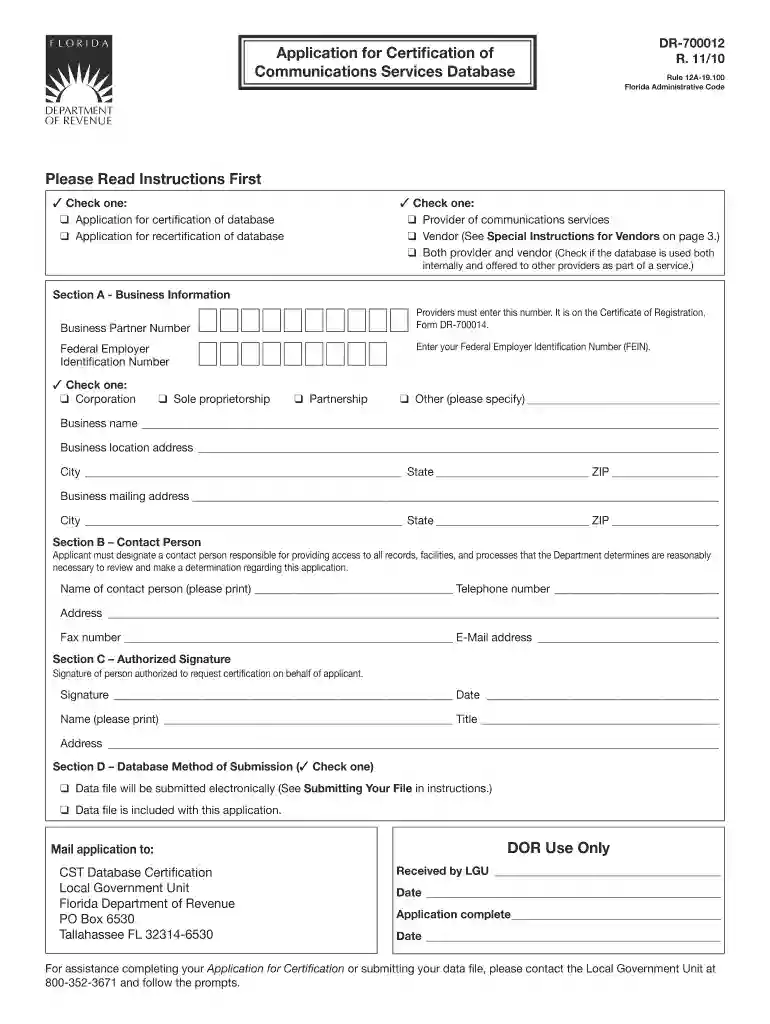
Type text, add images, blackout confidential details, add comments, highlights and more.

Draw your signature, type it, upload its image, or use your mobile device as a signature pad.

Send it via email, link, or fax. You can also download it, export it or print it out.
The "1506 - Intellectual Property India" form is designed to facilitate the registration and management of intellectual property (IP) rights within the jurisdiction of India. These rights primarily include patents, trademarks, copyrights, designs, and geographic indications. IP rights protect creations from unauthorized use, thus encouraging innovation and creativity within various industries. The form ensures that applicants comply with legal requirements set forth by the Indian IP authority, which oversees the protection and enforcement of intellectual property laws in the country.
To use the 1506 form effectively, applicants need to understand the specific type of intellectual property they seek to register or manage. The form typically requires details about the creation or innovation, including technical specifications, distinct features, and the creator’s information. Once you fill out the form, it must be submitted to the relevant intellectual property office for processing. It often involves paying a fee and, in some cases, providing additional documentation for verification. Following submission, be prepared for potential inquiries or requests for further details to facilitate the review process.
Upon correct submission and processing of the 1506 form, applicants receive legal protection for their intellectual property. This protection aids in the legal enforcement against infringement and unauthorized use of registered creation. Holding IP rights allows the owner to operate within the bounds of the law to capitalize on their creative assets, as well as pursue legal action when necessary to protect their IP rights from infringement.
Key elements of the form include sections that cover detailed descriptions of the intellectual property involved, specifications of originality, claims of novelty, and pertinent legal confirmations by the applicant. Moreover, it requires identification information regarding the applicants or claimants and might sometimes necessitate a declaration of ownership and representation during the application process. Each aspect of this form is structured to confirm the legitimacy and uniqueness of the intellectual property.
Eligibility to use this form largely depends on the type of intellectual property in question. Generally, the applicant must be the original creator or a legal representative of the creator, intending to protect or manage intellectual property within India. Furthermore, the property should meet the criteria for originality, novelty, and non-obviousness for patents, among other specified guidelines for other IP types. Compliance with these criteria substantiates the legitimacy of the application and aids in successful registration.


The application process can be time-consuming, often spanning several months or longer, depending on the complexity and type of intellectual property. Post submission, initial scrutiny involves validating all entered data, checking for any conflicts with pre-existing rights, and occasionally requesting additional information. Approval timelines may vary based on workload and the specific type of IP. Applicants need to routinely check the status updates provided by the intellectual property office to ensure timely resolution and completion of the registration process.
Applicants can typically submit the 1506 form either electronically or physically, depending on the resources and facilities available at the respective intellectual property office. Each submission method demands strict adherence to its unique procedural requirements. For example, electronic submissions may require digital signatures, while physical submissions need to be accompanied by original forms and thorough documentation. The choice of submission method should align with ease of access and compliance requirements while maintaining efficiency in form processing.
We've got more versions of the 1506 - Intellectual Property India form. Select the right 1506 - Intellectual Property India version from the list and start editing it straight away!
At DocHub, your data security is our priority. We follow HIPAA, SOC2, GDPR, and other standards, so you can work on your documents with confidence.
by MP Mohan 2022 Cited by 3 Nolan, A Fundamental Problem: The Vulnerability of. Intellectual Property Licenses in Chapter 15 and the Meaning of 1506, 28 EMORY BANKR INTELLECTUAL
Aug 30, 2013 intellectual property in the United States and internationally. We rely on a combination of patents, trademarks, copyrights, domain names
Mar 31, 2023 1506. Suspense Account for Partial Issue National Research Development Corporation of India and the World Intellectual Property Office.


